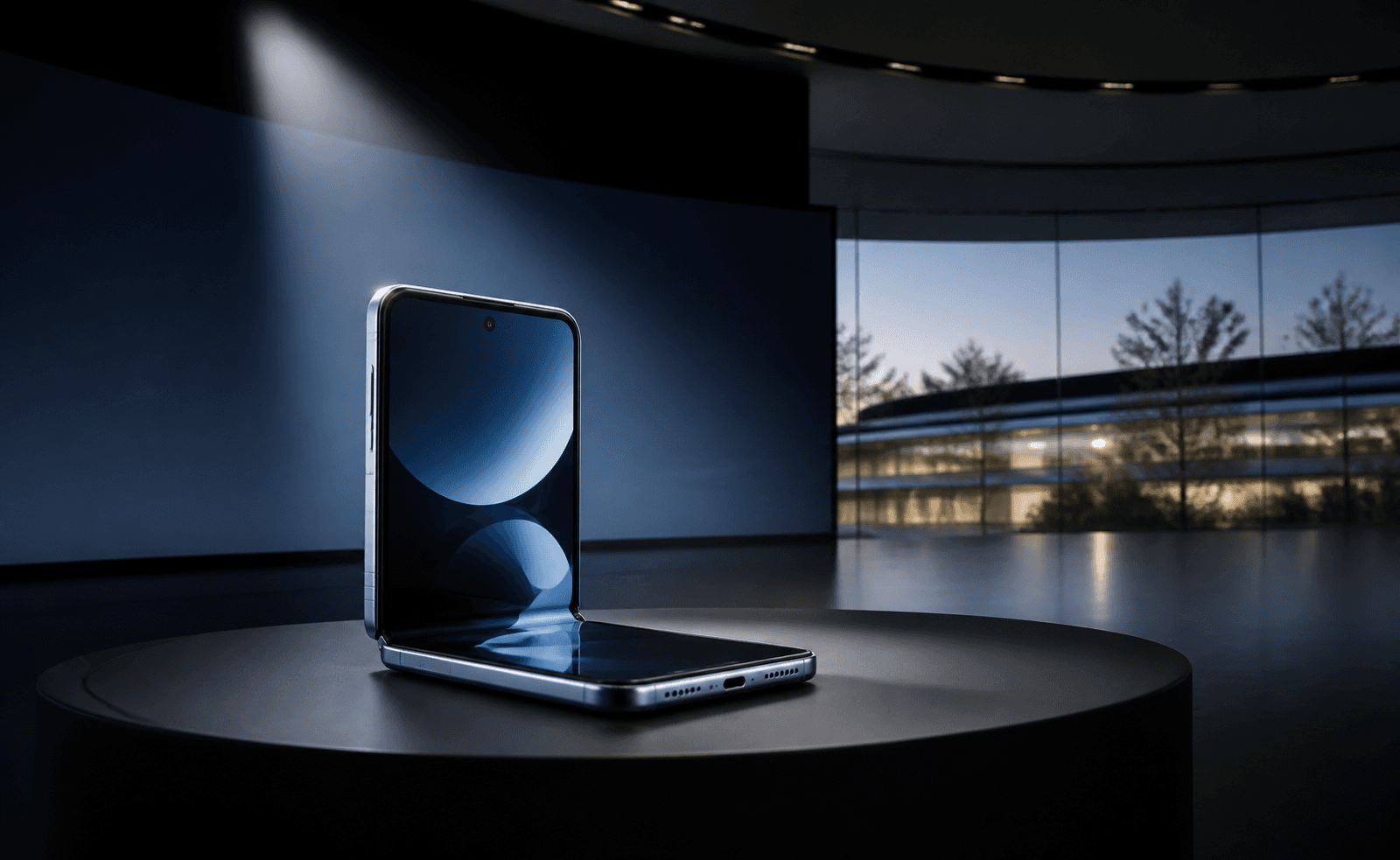
Apple's long-rumored foldable phone is no longer living only in the corners of the supply chain or the rumor mill. The company has now set a September event at Apple Park, giving investors and customers a fixed date around which months of scattered hints can finally be judged against an official stage. That matters because the foldable device is being treated as more than another yearly refresh. It would represent Apple's first major new iPhone form factor in years and the first marquee hardware launch overseen by John Ternus as chief executive, making the product both a design gamble and a statement about how the company intends to grow after a long stretch of iterative upgrades.
The latest reporting suggests Apple is approaching the event with more confidence than caution. Coverage from The Verge and Axios, alongside Apple's own event notice, points to a September presentation that is widely expected to include the foldable model next to higher-end iPhones. Earlier industry reporting and developer chatter had already laid the groundwork, with repeated claims that hinge durability problems were easing, component shipments were moving, and software support for a new folded and unfolded interface was taking shape. None of that amounts to a public release on its own, but the combined evidence has shifted the conversation from whether Apple is serious about foldables to whether it can execute the launch cleanly enough to persuade buyers that the category has matured.
Prediction markets have mirrored that change in tone. On Polymarket's technology page, the foldable iPhone contract has climbed into near-certainty territory, with traders now treating a release before year-end as the base case rather than an aggressive bet. The important nuance is that the market's rules require more than an unveiling. Apple has to make the device available for purchase by the general public before the end of the year. That is a higher bar than simply walking onstage with a demo unit, and it explains why the remaining skepticism is focused less on product existence than on the chances of a late production stumble or a tightly rationed launch.
The broader stakes are unusually clear. Rivals such as Samsung, Google and Motorola have already spent years teaching consumers what a foldable phone is supposed to do, while Apple has waited for the hardware, battery tradeoffs and software polish to look less experimental. If the company arrives with a device that feels durable, useful and unmistakably premium, it could reset the category by making foldables look mainstream rather than niche. If it slips, the market will read that delay as proof that even Apple still sees the engineering compromises as hard to swallow. Either way, the next few weeks have turned a speculative future product into a live business story about whether the biggest company in consumer electronics still knows how to create a new must-have shape.