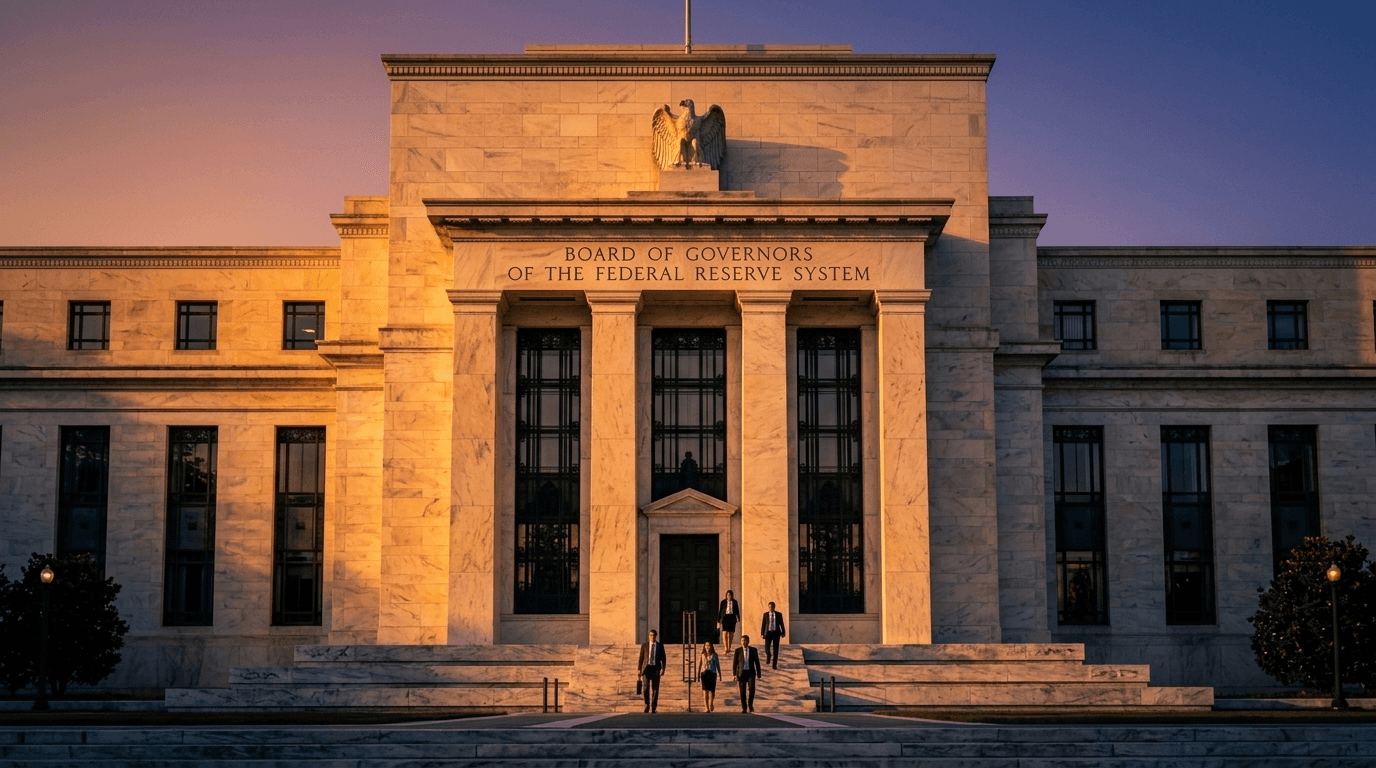
Prediction markets now assign a 74 percent probability to at least one Federal Reserve rate increase before the end of 2026, according to Polymarket data as of July 23. The contract jumped 8.5 percentage points in the past 24 hours, reflecting $143,781 in trading volume and marking one of the sharpest single-day moves in monetary policy sentiment this year. The market remains open until December 9, leaving nearly five months for economic data and Fed communications to shift expectations further.
The surge in hike odds stands in stark contrast to the prevailing view among professional forecasters. A Reuters poll conducted in late June found that more than three-quarters of surveyed economists expected the federal funds rate to remain unchanged through the end of 2026. Goldman Sachs echoed that assessment, stating it does not anticipate rate cuts until 2027 and describing hikes as unlikely, though somewhat more probable than earlier in the year. The disconnect underscores a recurring theme in 2026: prediction markets have priced in tighter policy faster than traditional Wall Street research desks.
Inflation data released in May initially triggered the repricing cycle, pushing trader estimates of a year-end hike above 33 percent on platforms including Kalshi, which reported roughly 54 percent odds as of early July. Polymarket's current 74 percent figure suggests either a more hawkish user base or a reaction to information not yet fully reflected in economist surveys. The Federal Reserve has offered limited forward guidance in recent months, leaving markets to parse employment reports, consumer price index prints, and regional manufacturing surveys for clues about the policy path.
The divergence between market-implied probabilities and economist forecasts creates uncertainty for bond traders, mortgage originators, and corporate treasury departments planning capital allocation into 2027. If the Fed does raise rates, it would mark the first tightening cycle since the pandemic-era easing unwound in 2023 and 2024. Conversely, if the central bank holds steady as most economists predict, the current Polymarket contract will resolve to No, potentially offering a profitable fade for contrarian traders willing to bet against the crowd.