The Federal Reserve's September meeting is no longer a sleepy placeholder between summer data releases and the year end policy debate. It is becoming the next real test of whether Chair Kevin Warsh can calm a jumpy bond environment without sounding complacent about inflation, and whether the central bank still believes it has room to wait. The tension has been building for days as Treasury yields stay elevated, oil remains a live inflation risk and Warsh's scheduled appearance at the Jackson Hole symposium approaches later this week. A hold would tell the public that policymakers still think inflation can cool without more tightening. A hike would amount to an admission that the summer's price pressure and geopolitical shocks are proving harder to contain than many officials hoped.
The Fed's own July meeting minutes did little to settle the matter. Officials kept rates unchanged, but the record showed continued concern that inflation was still running above target and that waiting too long could force more disruptive action later. The backdrop has become more complicated since then. Treasury Secretary Scott Bessent's expanded bond buybacks briefly steadied long term yields, yet the move did not erase anxiety about debt, oil and borrowing costs. At the same time, this week brings another round of closely watched data, with the next inflation releases carrying extra weight after a summer in which every report has been asked to explain whether price pressure is finally easing or merely pausing. That is why September looks less like a routine hold and more like a referendum on whether policymakers think the economy is softening enough to spare households and businesses from another rate increase.
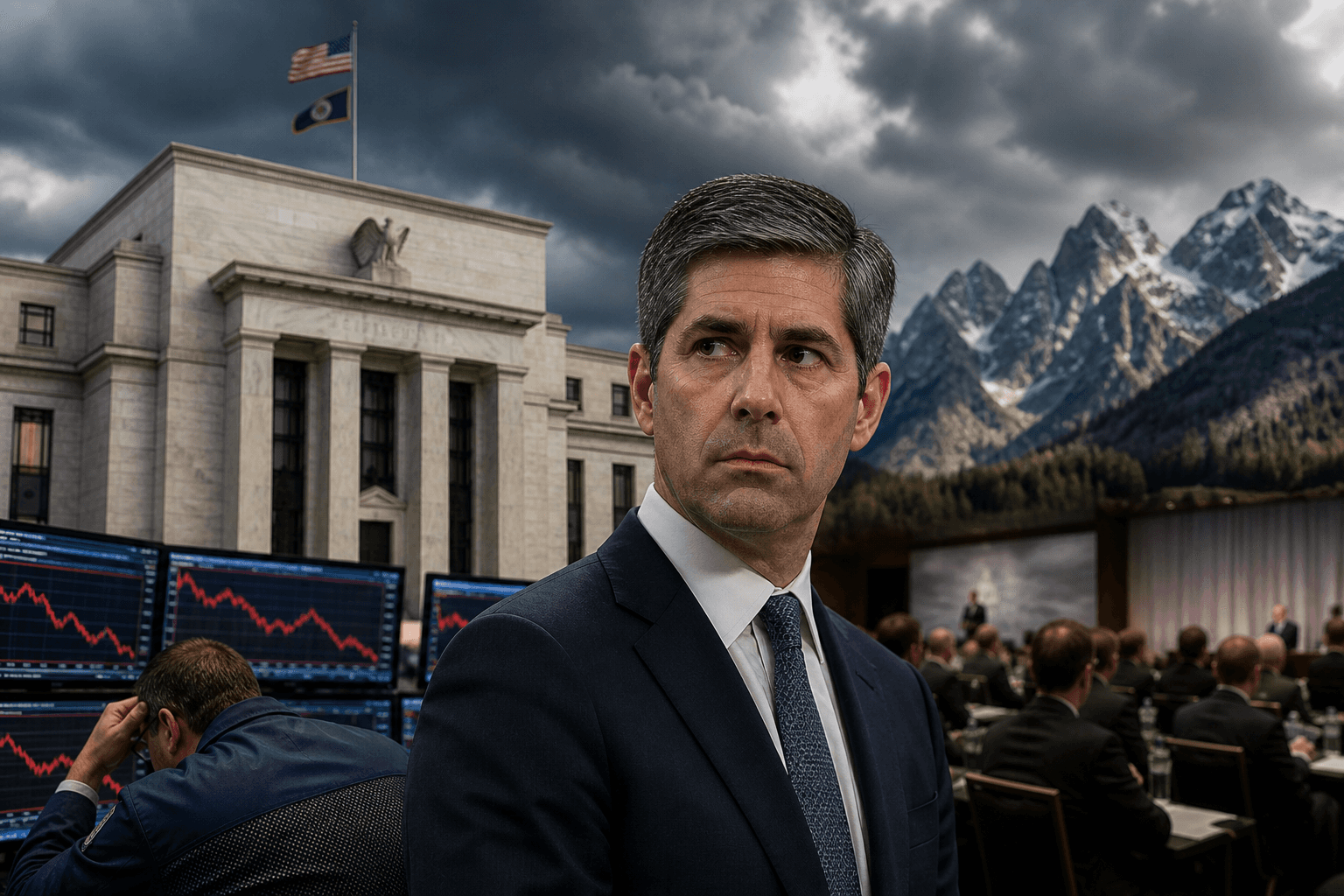
Warsh's communication style is part of the story. He has so far resisted the kind of detailed public signaling that had become familiar under earlier Fed chairs, and that has left more room for every speech, calendar entry and bond selloff to carry extra weight. His Jackson Hole keynote matters not because a symposium speech changes policy on its own, but because officials, executives and households all want evidence that the Fed still has a coherent path between stubborn inflation and slowing growth. If he sounds too relaxed, he risks feeding the sense that the central bank is underestimating the inflation threat. If he sounds too hawkish, yields could climb again and tighten financial conditions before the committee even meets in September. The speech therefore sits at the intersection of policy, credibility and public confidence.
Prediction markets are reflecting that uncertainty without calling a full regime change. Kalshi and Polymarket still lean toward no change in September, but the hold outcome is far from overwhelming and the probability of a quarter point hike remains large enough to keep every new data point consequential. That balance tells readers something useful: the market does not see a policy surprise as the base case, yet it also no longer treats a steady outcome as automatic. The next decisive clues are close at hand, beginning with Warsh's Wyoming remarks and extending through the inflation reports that arrive before the September meeting.