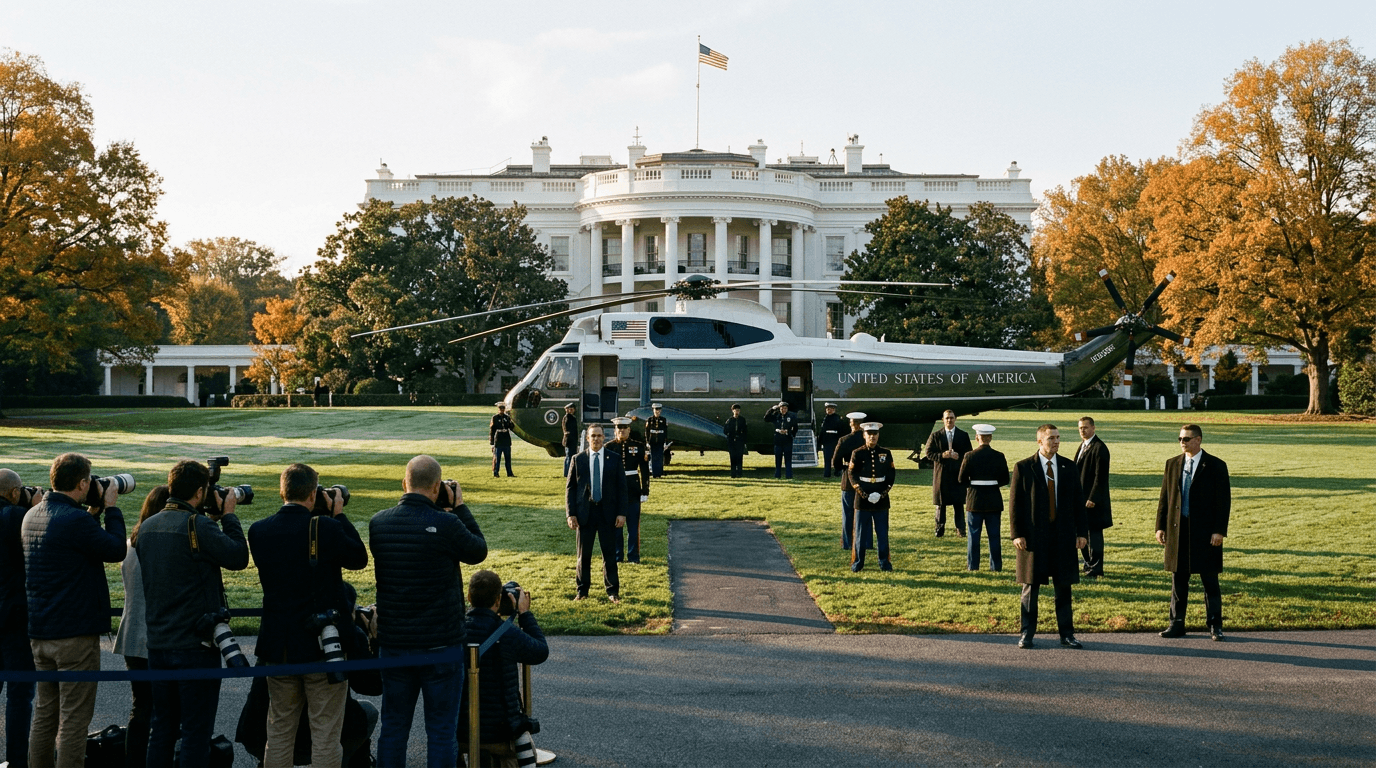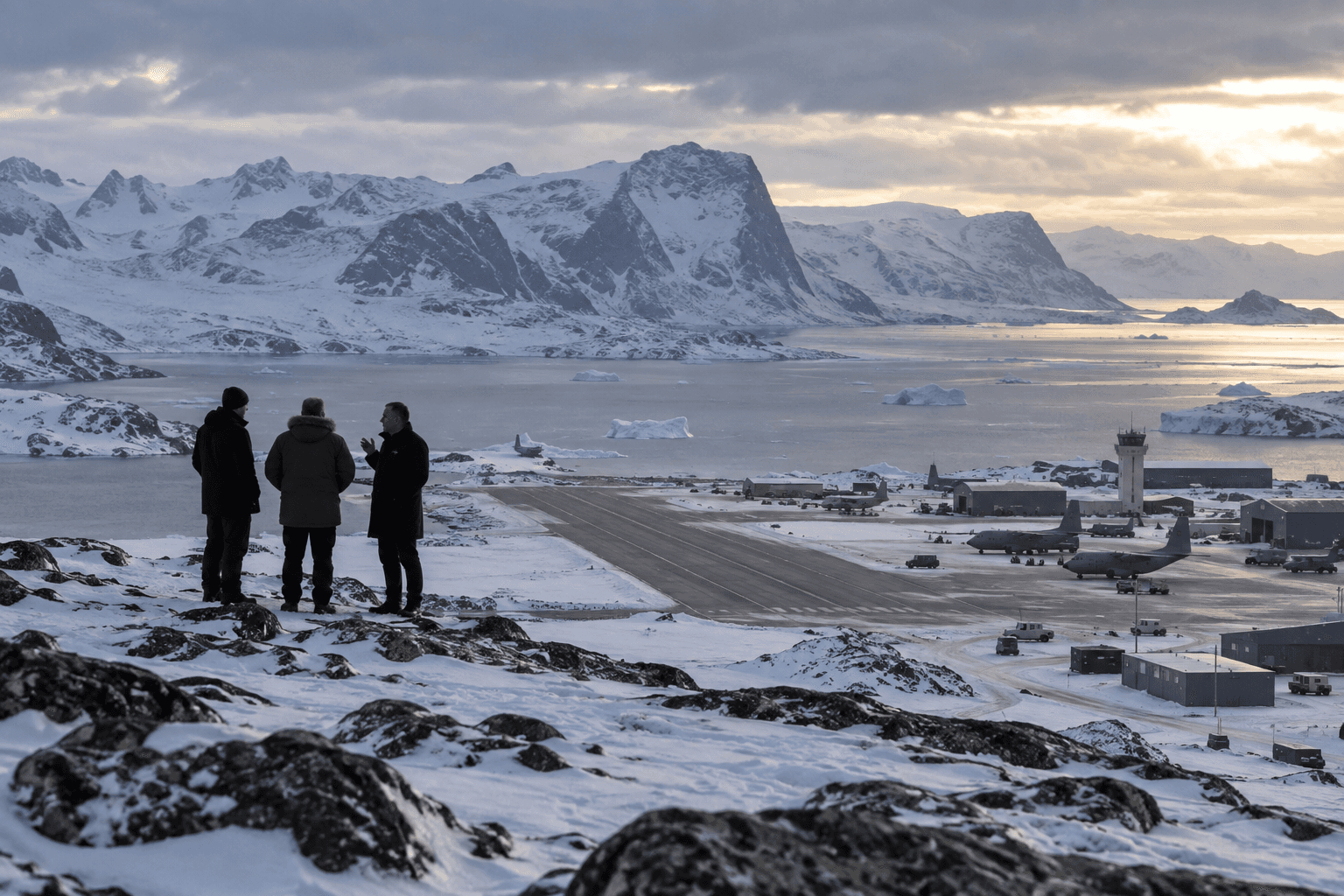
The United States, Denmark and Greenland say they are close to a security agreement that would expand American military access to the Arctic island while leaving it within the Kingdom of Denmark. President Donald Trump announced the understanding on Friday after months of tension over his calls for greater American control of Greenland. Copenhagen and Nuuk confirmed that the three governments expect to sign an agreement next week at the United Nations General Assembly. Their statements make clear that no transfer of territory has been agreed. The immediate question is what new defense rights the pact actually grants and when those rights could take effect.
Denmark's prime minister, Mette Frederiksen, described the prospective accord as strengthening security in the Arctic and North Atlantic while recognizing the kingdom's territorial integrity and Greenlanders' right to self-determination. Greenland's leader, Jens-Frederik Nielsen, said it recognizes the island's interests in international cooperation. The official statement also says the agreement would enter into force only after the necessary national parliamentary procedures. It does not publish the final text, identify specific bases or spell out the new powers Washington would receive. That leaves a meaningful gap between an announced political understanding and an operative military arrangement.
Trump presented the deal in much broader terms, claiming permanent American control over Greenland's security and promising to develop a larger military presence. Those are the president's descriptions, not language confirmed in the Danish statement. American forces already operate Pituffik Space Base under a defense framework dating to the early Cold War, and the island's location between North America and Europe gives it a significant role in missile warning and Arctic surveillance. The governments have been trying to address those strategic interests without reopening the question of sovereignty that produced repeated diplomatic friction. Greenland's own government is a party to the planned agreement, a significant political point for a self-governing territory whose future has often been discussed by larger powers.
Prediction-market trading reflects the distinction between an announced deal and a signed one. On Saturday, a Polymarket outcome for signatures by September twenty-third traded around sixty-eight percent, while the year-end outcome stood near ninety-six percent. The broader Greenland agreement group appeared first among the site's biggest daily movers after the announcement. Those prices indicate how traders assess the timing of formal signatures; they do not establish that a binding text already exists or that every claim about its contents has been accepted by the other governments. The near-term deadline is especially sensitive because the market requires an actual signature from both the United States and Denmark.
The next test comes in New York, where representatives of all three governments are expected to sign. The published text should show whether the pact creates new basing, overflight or investment rules or mainly reinforces rights already available under existing agreements. Legislatures in Denmark and Greenland then have procedures to complete before the accord enters into force. Until those steps occur, the breakthrough is best understood as a diplomatic commitment with important details still to be made public. For Greenlanders, those details will determine whether the promised security gains come with meaningful control over decisions on their own territory.