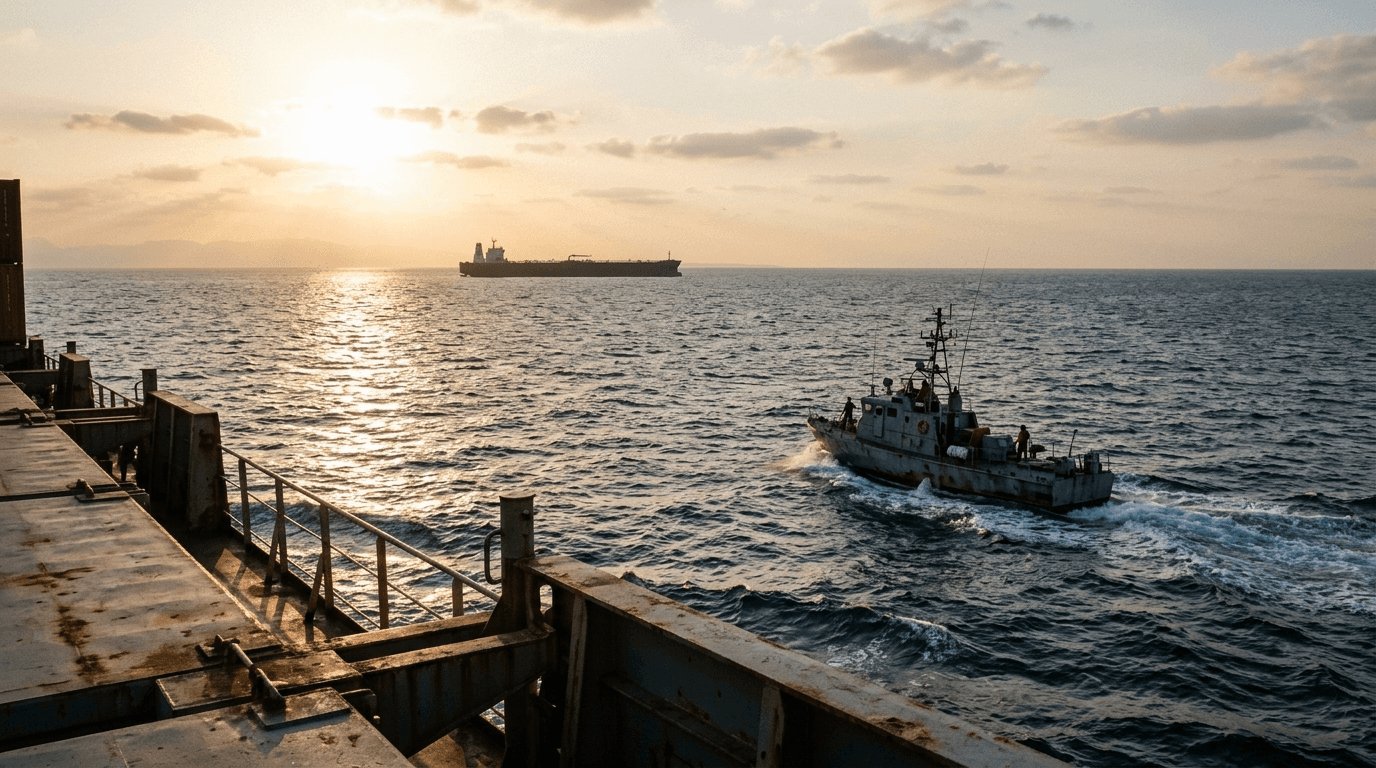
The Strait of Hormuz is a critical energy passage: before the war, it carried about 20 percent of global crude and liquefied natural gas supplies. But a vessel count cannot tell readers how much oil is moving, and recent reports point to renewed disruption. Al Jazeera reported a sharp fall in oil volume, including 2.9 million barrels passing through during the reported decline. The distinction matters: transit calls measure traffic, not the energy cargo reaching world markets.
Kalshi’s market asks whether transit calls during the week will exceed a series of thresholds. Traders currently put the chance of exceeding fifteen at 97%, as of 2:53 p.m. ET on Oct. 20. For the threshold above twenty, the market stands at 90%; above twenty-five, it is 47%. The steep decline between those levels suggests confidence in some traffic, but real uncertainty over how far the count will climb. These prices describe traders’ current beliefs, not an objective forecast.
The market’s lower thresholds have meaningful trading behind them: the fifteen-call contract had 27,697 contracts traded over the last day and 21,545 contracts open, while the twenty-call contract had 6,360 contracts traded over the last day and 5,376 contracts open. Higher cutoffs are less settled. The contract for more than twenty-seven calls had just 8 contracts traded over the last day, so its 44% reading is a thin signal, not a firm consensus. The more-than-thirty contract was at 22%, while the market assigned 8% to more than thirty-five and 3% to more than forty. Those prices sketch a distribution of expectations, but they should not be mistaken for a measured count or a prediction of oil supply.
The uncertainty comes against a backdrop of attacks and uneven flows. CNN reported 12 reported attacks in the preceding week, citing maritime security monitors, while noting that the cause of individual incidents remained uncertain. Al Jazeera said the US-led maritime information center assessed the threat to merchant shipping as “severe”. At the same time, the picture is not simply one of traffic stopping: oil flows had recovered in September to more than 81 percent of their pre-war level, and CNN described US-assisted shipments using tankers with transponders off, transferring cargo to ships waiting outside the Strait. Such movements complicate visibility, and the cited reporting does not establish how they would be counted in this market.
There are reasons not to treat a recent drop as proof that every measure of traffic will stay low. A Kpler analyst told CNN that bypass routes could reduce Iran’s leverage over time, even as conflict disrupts shipping and energy flows. But rerouted exports do not answer how many qualifying calls will cross the Strait during the market’s week, and the packet does not establish the contract’s counting rules for transponders-off voyages. The useful signal is therefore limited: traders see more than fifteen calls as highly likely, while the outlook above the mid-twenties is much less clear. That uncertainty matters because the Strait carries a substantial share of global energy—but the market’s count alone cannot show how much supply will get through.