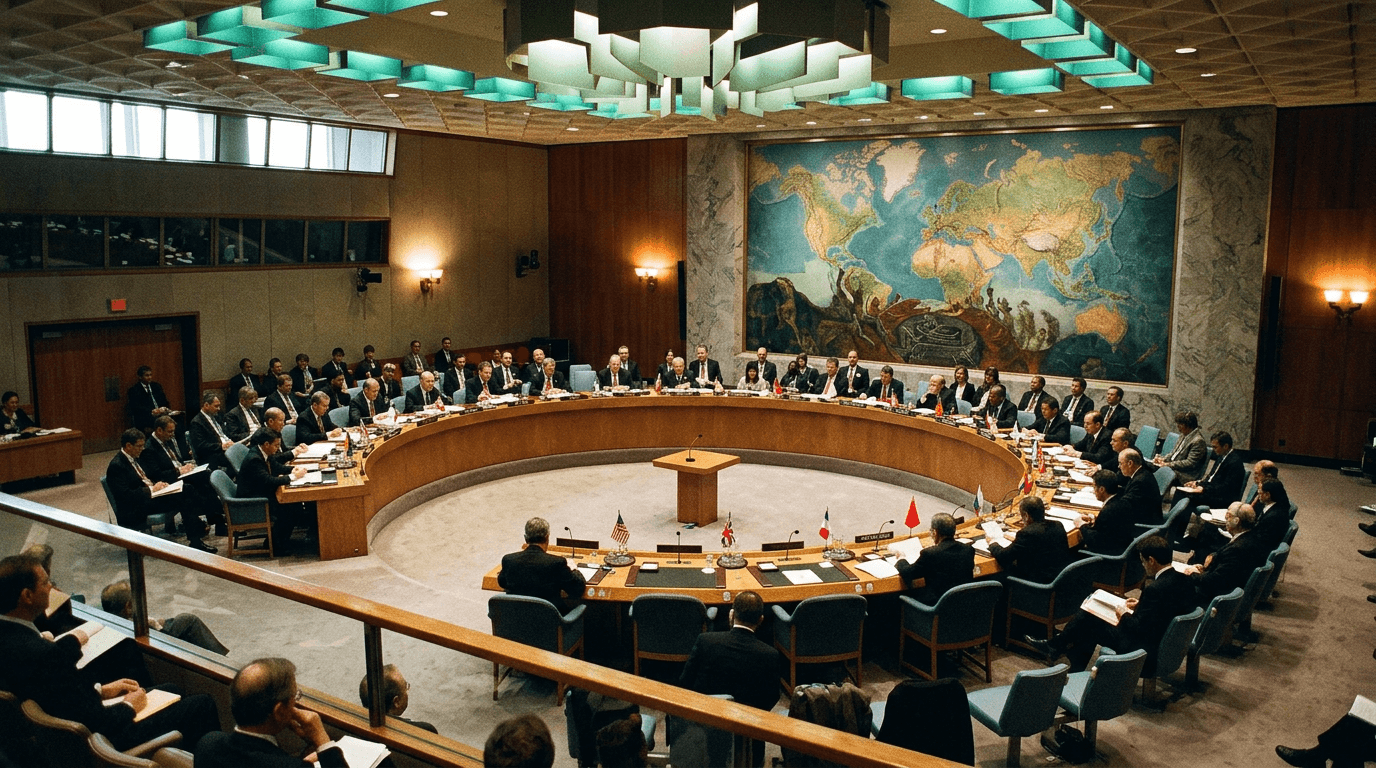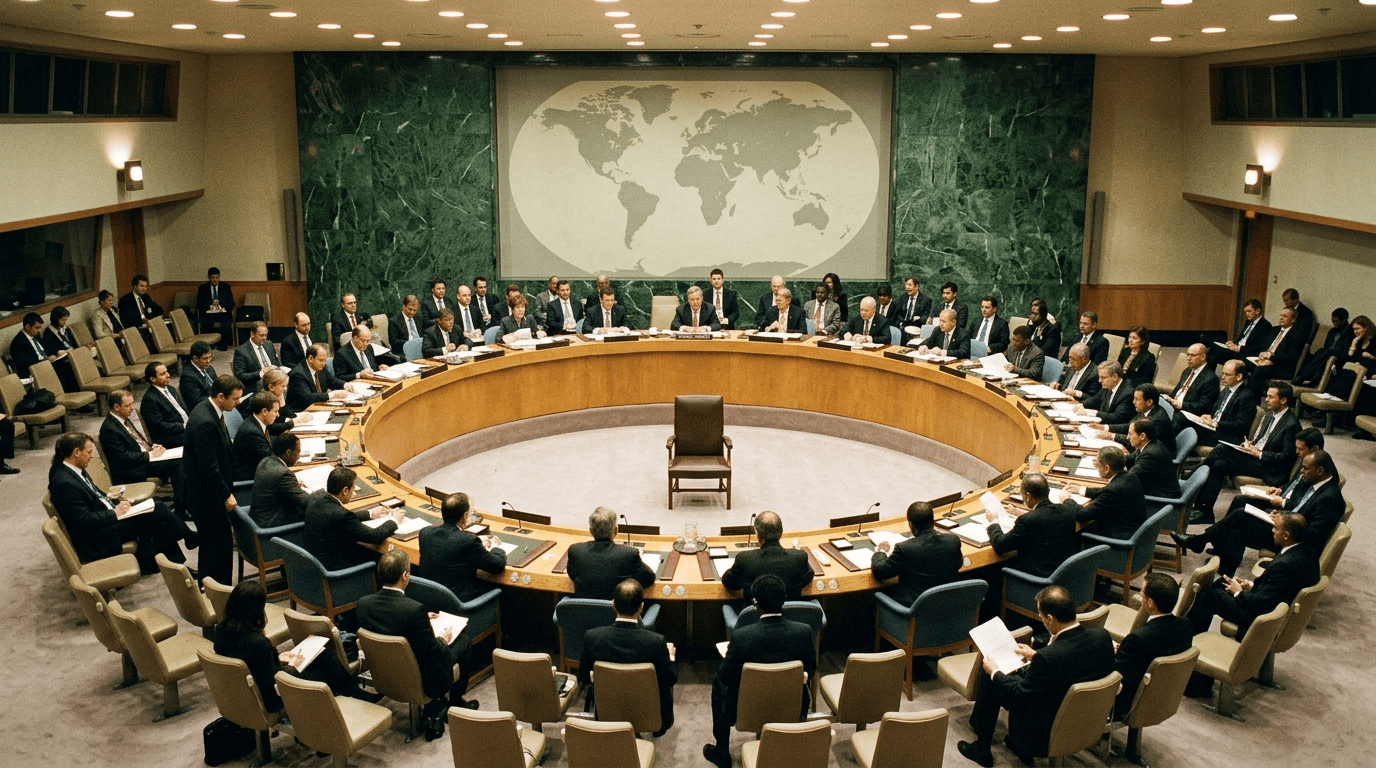
The contest to lead the United Nations remains unresolved, with the latest informal polling highlighting a central obstacle: a candidate can draw substantial support and still face opposition from permanent members of the Security Council. The Council has not formally recommended a candidate. Its choice matters because the Secretary-General leads the UN’s administration and diplomacy, while the selection process gives the Council a decisive role before the General Assembly appoints the next chief.
In the latest poll, Rafael Grossi and Carolyn Rodrigues-Birkett each received eight encouraging votes and six discouraging votes; the report said both faced opposition from two permanent members. The poll was notable for how it recorded those views: For the first time in this selection process. The result makes the divide visible, but it does not identify which permanent members opposed either candidate or establish that those votes would carry over to a formal decision. The poll is an informal measure, not the Council’s final recommendation.
Rebeca Grynspan is the leading name in the market’s current snapshot. Polymarket assigns her 27% as of 4:57 p.m. ET on Oct. 18. Grossi is at 20% as of 4:57 p.m. ET on Oct. 18, while María Fernanda Espinosa is at 16% as of 4:57 p.m. ET on Oct. 18. These are traders’ current beliefs, not forecasts of the Council’s decision. The trading recorded behind the listed contenders is limited: Grynspan’s contract shows $607 in trading over the last day, Grossi’s $100 in trading over the last day, and Espinosa’s $436 in trading over the last day. With so little trading, the percentages should be treated as a narrow snapshot rather than a dependable measure of the field.
The market picture also requires care about who remains in contention. Michelle Bachelet withdrew on 20 September 2026, though her name remains on the open contract list; the listed probability is not evidence that she is still a candidate. Grossi, by contrast, is formally nominated by Argentina and heads the International Atomic Energy Agency. The market places him behind Grynspan, but the poll’s opposition from permanent members underscores why a strong showing alone may not secure a recommendation. A market listing and a reported poll result answer different questions: neither by itself establishes who the Council will recommend.
The formal path explains the stakes of that divide. Under Article 97, the Security Council recommends a candidate and the General Assembly appoints that person. A negative vote by any permanent member can prevent the Council from making its recommendation. That power does not establish that any particular candidate will be blocked; nor does the latest poll settle the outcome. The next Secretary-General is due to take office on 1 January 2027. Until the Council makes a formal recommendation, the race remains open—and the key uncertainty is whether any candidate can win a path forward without opposition from a permanent member.