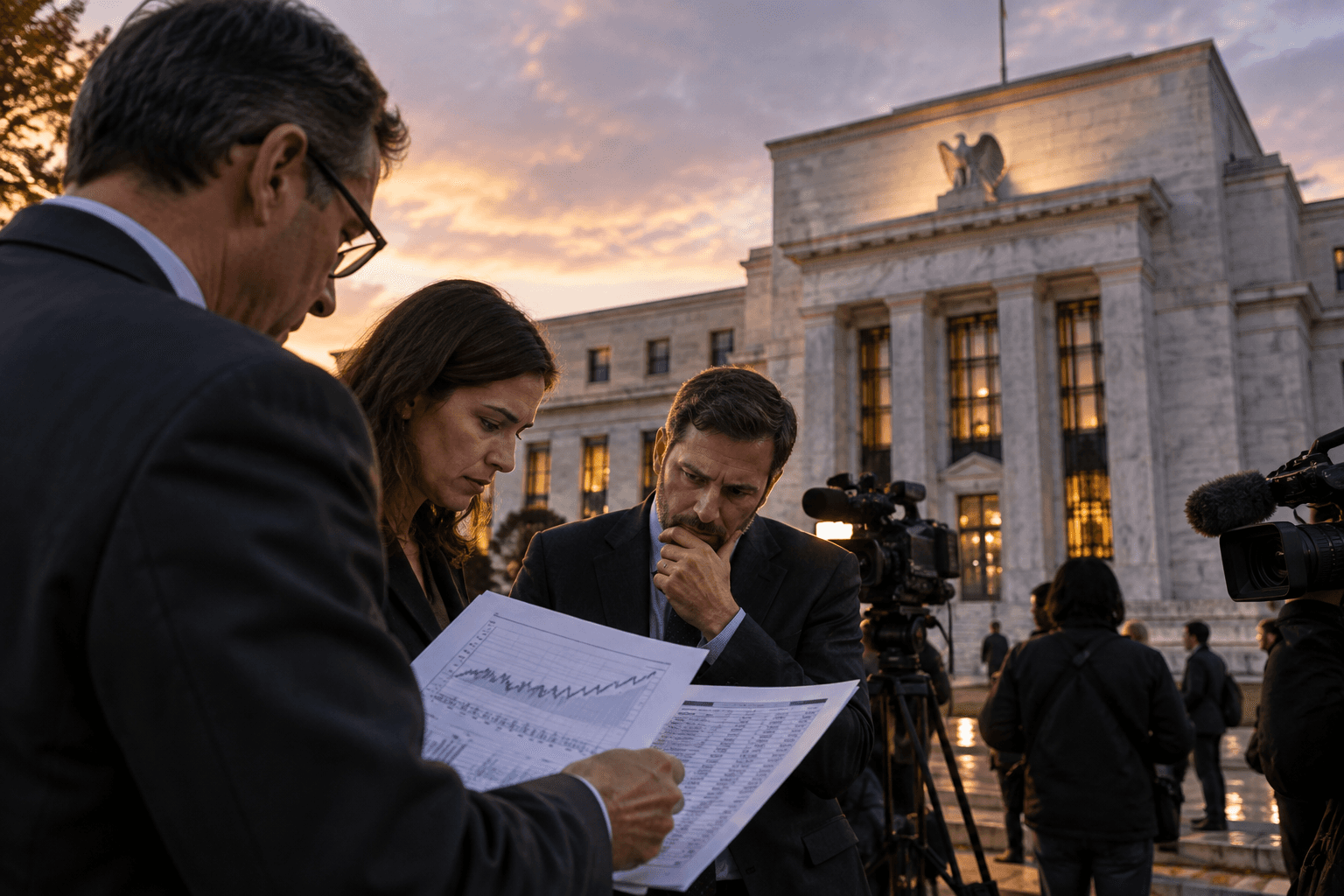
The Federal Reserve enters its September policy meeting with a rate increase now the leading expectation after the final major inflation report before the decision showed renewed price pressure. Consumer prices rose 0.4% in August, up from a 0.1% increase in July, while the 12-month inflation rate held at 3.4%. Core prices, which exclude food and energy, advanced 0.3% for the month after a 0.2% rise in July. Those figures leave inflation above the central bank's 2% goal and make another pause harder to defend when officials meet on September 15 and 16. The outcome will shape borrowing conditions just as households and companies begin planning for the final quarter of the year.
The details complicate an otherwise mixed picture. Annual core inflation eased to 2.4% from 2.5%, but gasoline prices jumped 3.9% in August and services outside housing showed fresh momentum. Kiplinger reported that the data, following a stronger-than-expected jobs report, pushed expectations decisively toward a quarter-point increase. Chair Kevin Warsh had already made improvement in underlying inflation a test for keeping rates steady. The August reading did not provide a clean answer, and energy costs have climbed further since the survey period. A hike would also bring political friction because President Donald Trump has pressed for lower borrowing costs ahead of the midterm elections. Officials must weigh that pressure without allowing it to displace their mandate for stable prices and sustainable employment.
Prediction markets reflect the same sharp repricing without settling the policy question. A Polymarket contract tied to a 25-basis-point increase stood near 80% on Saturday, compared with roughly 49% after the August employment report five days earlier. The five-outcome September family had recorded about $138.5 million in total activity and $9.2 million over the latest 24 hours. Those prices are market-implied odds, not a forecast from the Federal Reserve, and the remaining 20% assigned to no change shows that traders still see room for officials to interpret the inflation mix differently.
The decision will carry consequences well beyond the overnight policy rate. Higher short-term borrowing costs can flow into credit cards, business loans and adjustable-rate debt, while a forceful signal from Warsh could push longer-term yields higher. Investors will therefore look past the headline move to the committee's projections and the chair's explanation. The official calendar calls for the policy statement on Wednesday, followed by the press conference. The crucial question is whether officials describe a hike as a one-time recalibration after an inflation scare or the start of a longer tightening cycle. They will also have to explain how much weight they place on gasoline-driven headline inflation versus the stickier service categories beneath it. Until that guidance arrives, the August report has shifted the burden of proof: holding rates steady now requires a more persuasive case than raising them.