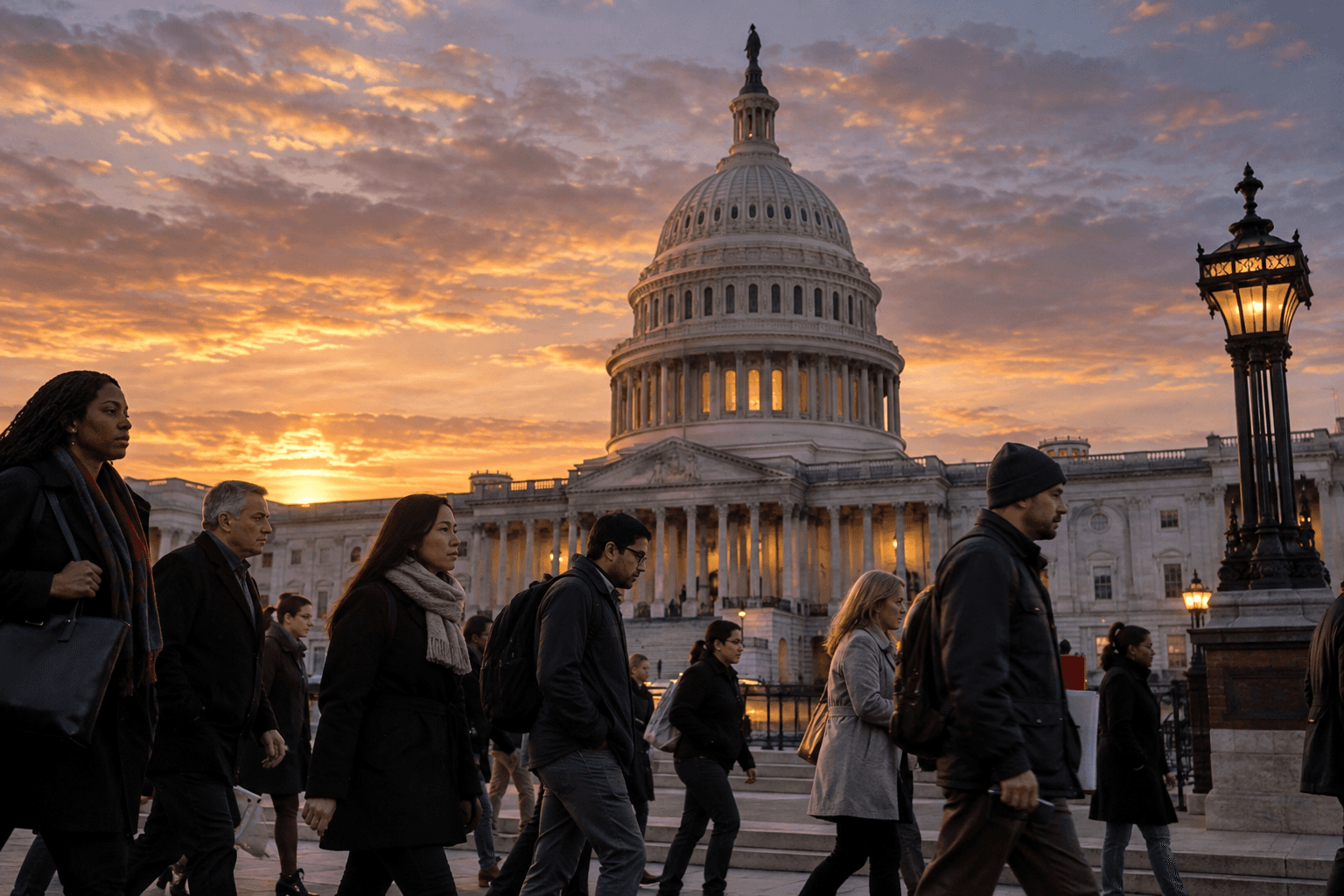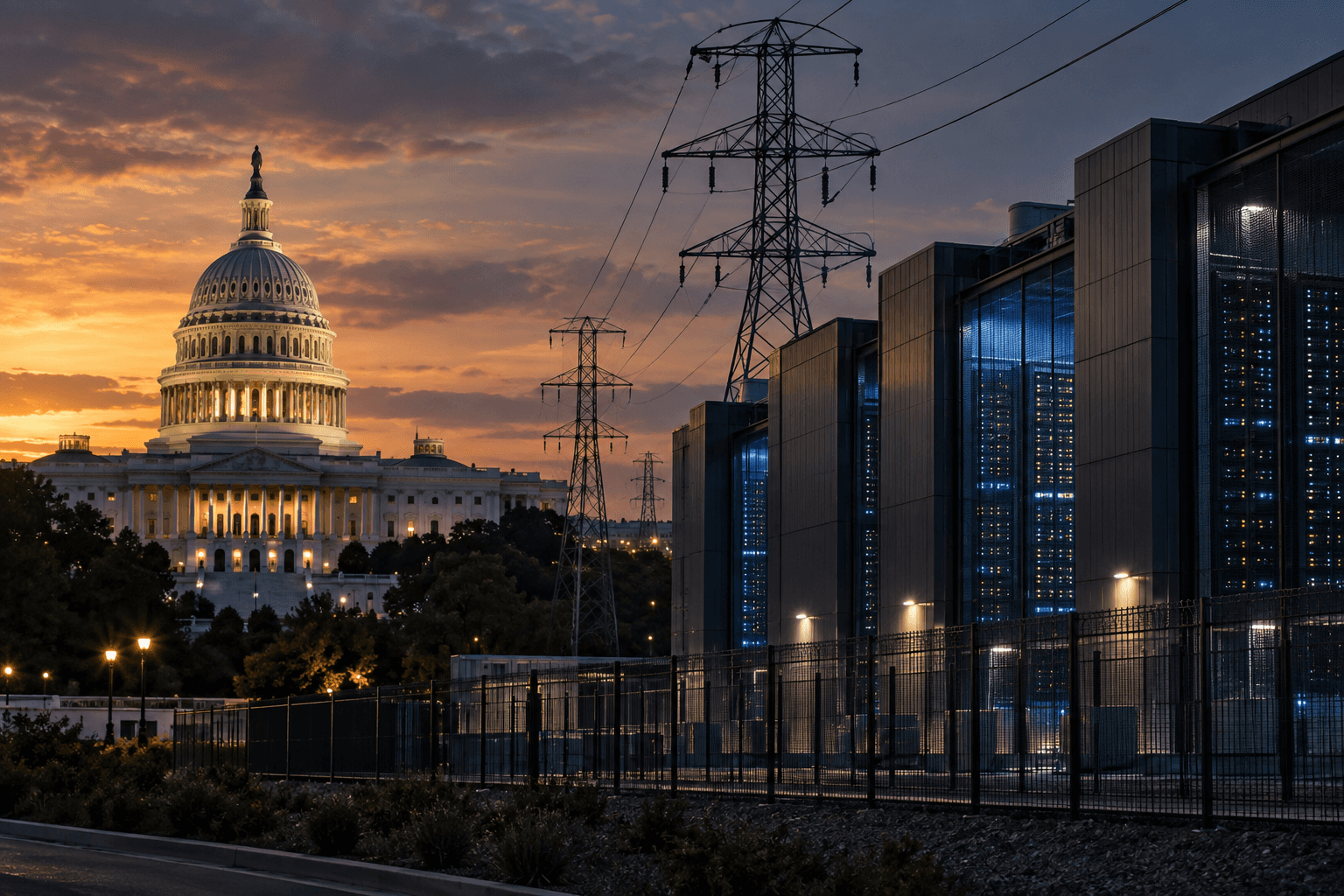
The House has overwhelmingly approved legislation aimed at preventing the electricity demands of large data centers from raising bills for households and small businesses. Lawmakers passed the Ratepayer Protection Act by a vote of four hundred seventeen to three, sending the measure to the Senate after months of concern about the cost of connecting artificial-intelligence facilities to the grid. The bill would require state utility regulators and unregulated utilities to consider standards that recover the full incremental cost of generation, transmission and distribution upgrades from the large-load customers that need them.
The proposal targets facilities drawing at least one hundred megawatts, a scale comparable to the power needs of a small city. It would ask regulators to consider special rate structures, financial assurances and protections for cases in which a project scales back or leaves the system before infrastructure costs are recovered. The measure does not impose one national tariff. States would retain authority to decide how the standards fit their own utility systems, a design that helped attract support from lawmakers who wanted stronger consumer protection without displacing state regulation.
Kalshi’s new contract on whether the standards become law traded near twenty-three percent after the House vote. The event recorded about six thousand six hundred dollars in activity on its first day, with open interest near five thousand seven hundred dollars. That probability reflects uncertainty about the remaining legislative path rather than disagreement that the House acted. The bill still needs Senate approval and the president’s signature, and the short pre-election calendar gives senators limited time to resolve differences over how far federal protections should go.
The vote arrives as data-center construction becomes an increasingly visible political issue. Utilities see the projects as a source of long-term demand and investment, but communities worry that power plants and grid upgrades built for a handful of enormous customers will be financed through ordinary rates. Many states have already begun adopting large-load tariffs with upfront payments, minimum-use commitments or exit fees. The House bill would reinforce that movement and add a federal expectation that data centers cover the infrastructure they trigger, while still allowing regulators to tailor the details to local markets and reliability needs.
The Senate is now the decisive venue. Industry analysts told Utility Dive that passage before the midterm elections may require unanimous consent, and some senators have proposed broader protections that could complicate a quick agreement. Supporters can argue that the lopsided House vote gives the measure unusual bipartisan momentum. Opponents or would-be revisers may say a federal standard should cover all large industrial loads, not single out data centers. The next step will show whether lawmakers can convert a shared concern over electricity bills into a final law before the campaign calendar closes Congress’s near-term window.