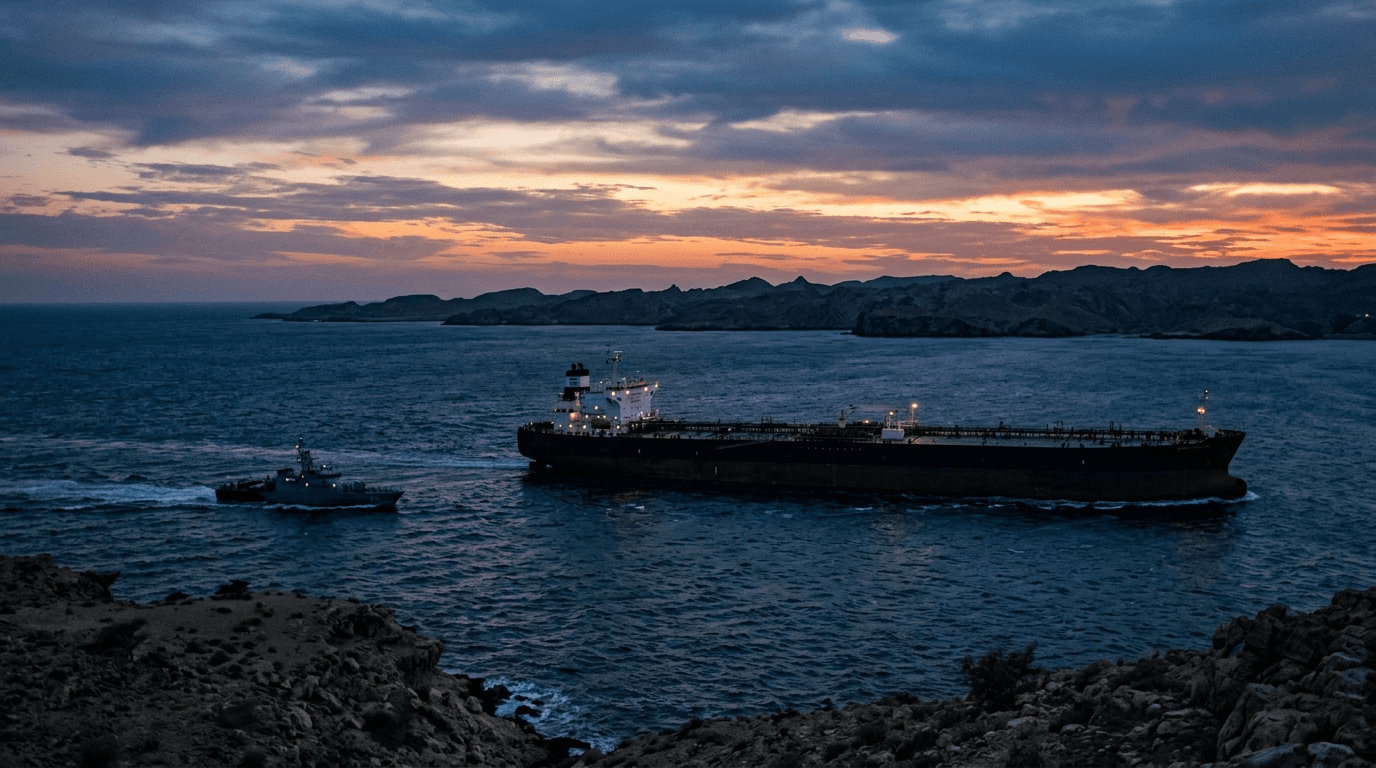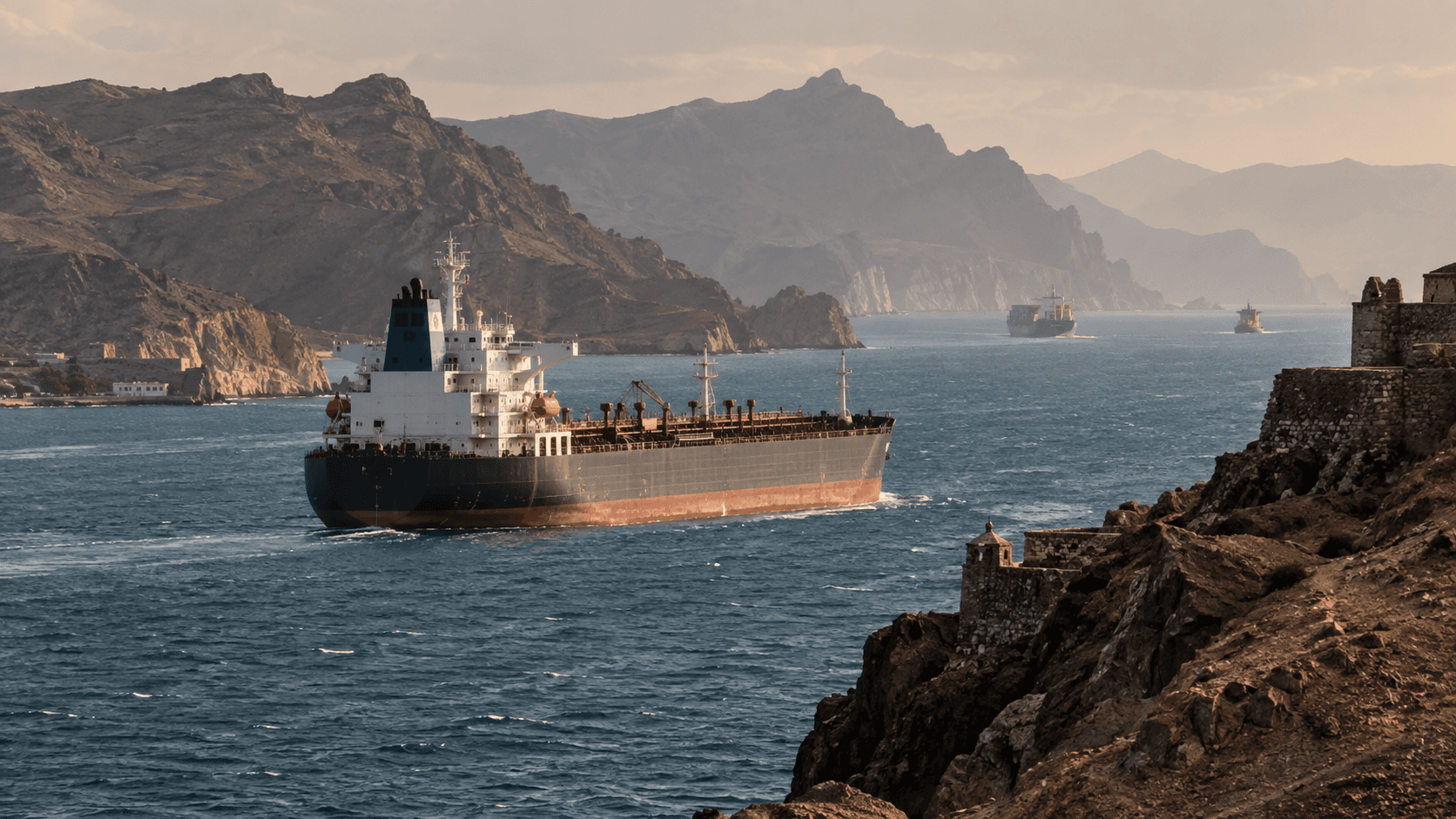
Yemen's Houthi movement says Saudi-linked ships remain targets in the Bab el-Mandeb Strait even as it promises passage to other vessels. Mohamed al-Bukhaiti, a member of the group's political bureau, told the Associated Press on Sunday that the Houthis had conveyed that distinction to the United States through indirect contacts. He said the group was not seeking to close the strait outright. His assurance is a statement of Houthi policy, not an independently verified guarantee of safe passage. For shipowners and insurers, the distinction matters: a targeted embargo can still change routes, costs and risk assessments across a corridor connecting the Red Sea to the Gulf of Aden.
The comments come after Houthi forces took the Yemeni port of Mokha and nearby islands that overlook the southern entrance to the Red Sea. Lloyd's List reported earlier this month that the movement had already exempted most international traffic from its declared embargo while singling out Saudi shipping. Maritime analysts warned that control of the coast gives the group greater ability to threaten selected vessels. Sunday's interview adds a direct account of how the Houthis say they intend to use that position. It also follows attacks on Saudi territory, including a missile Saudi authorities said they intercepted near Riyadh, but the immediate shipping question is narrower than the broader war.
The route matters far beyond the two belligerents. Ships using Bab el-Mandeb can reach the Suez Canal instead of sailing around southern Africa, so even selective attacks may force operators to weigh extra insurance charges and longer voyages. Lloyd's List said its vessel-tracking data showed the Suez Canal's recovery continuing into August, with 1,232 transits that month, while the revival through Bab el-Mandeb remained fragile. Those are different waterways and different measures; a gain in canal traffic does not establish that all Red Sea routes are secure. Al-Bukhaiti said the Houthis would keep attacking Saudi Arabia until Riyadh eases restrictions on rebel-held Yemeni ports, making the maritime dispute part of the wider conflict's bargaining.
A Polymarket question on fewer than 25 average daily Bab el-Mandeb transits at September's end traded near two percent on Sunday after falling roughly 53 percentage points over a day. A sibling outcome for 25 to 29 transits stood near 93 percent. Those prices reflect expectations about a precisely defined traffic count, not proof that vessels are safe or that the Houthi embargo has ended. The sharp repricing is especially striking because the political threat remains in place. It may reflect confidence that most ships will keep moving, but the final count and any individual attack could change that view.
The next test is what happens to actual commercial traffic after Sunday's assurance. Shipping companies will watch for attacks on Saudi-linked vessels, changes to port access and any warning issued by maritime security authorities. Diplomats will watch whether indirect U.S.-Houthi contacts and Saudi-Houthi negotiations can produce a more durable arrangement. Until those developments are documented, the most precise conclusion is that the group is threatening a selective embargo while publicly disavowing a general closure. That leaves a narrower but still consequential risk for the trade corridor and for the communities dependent on it.