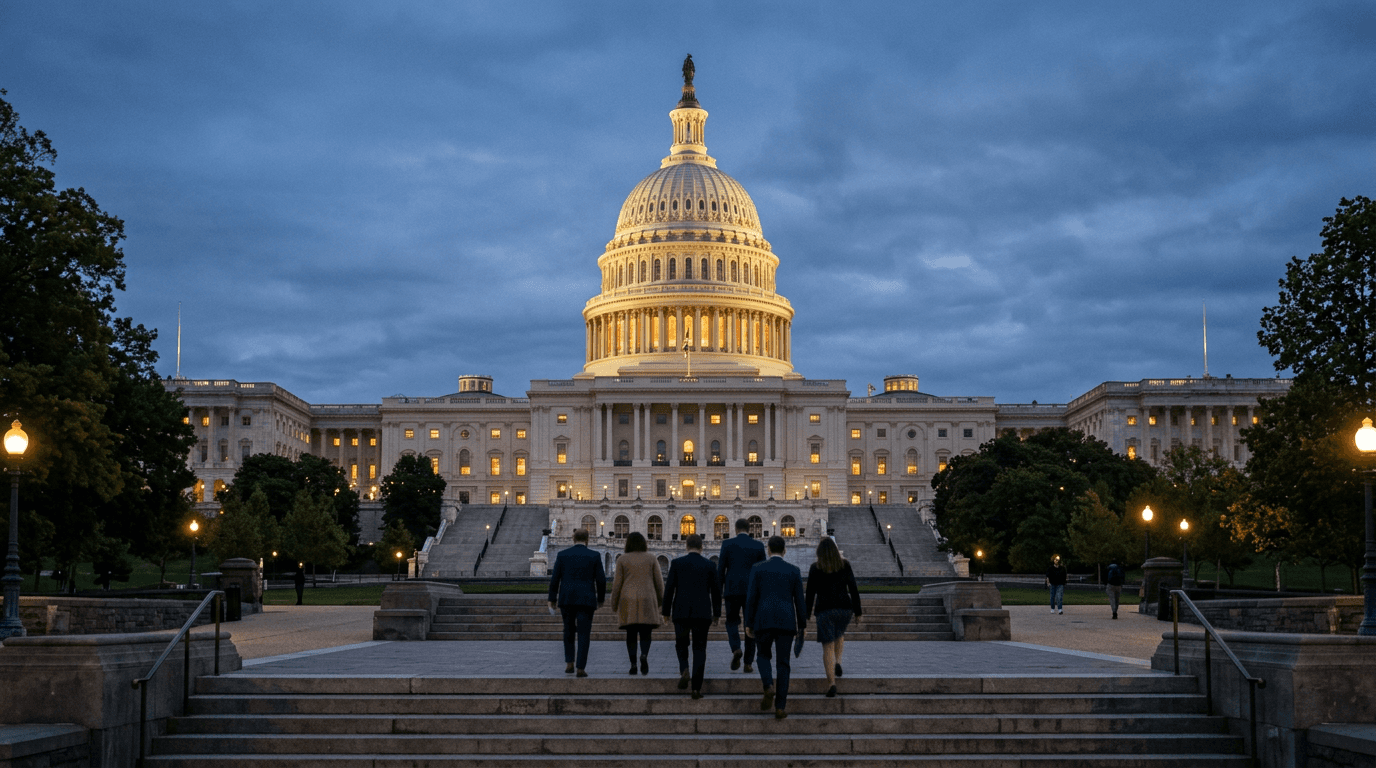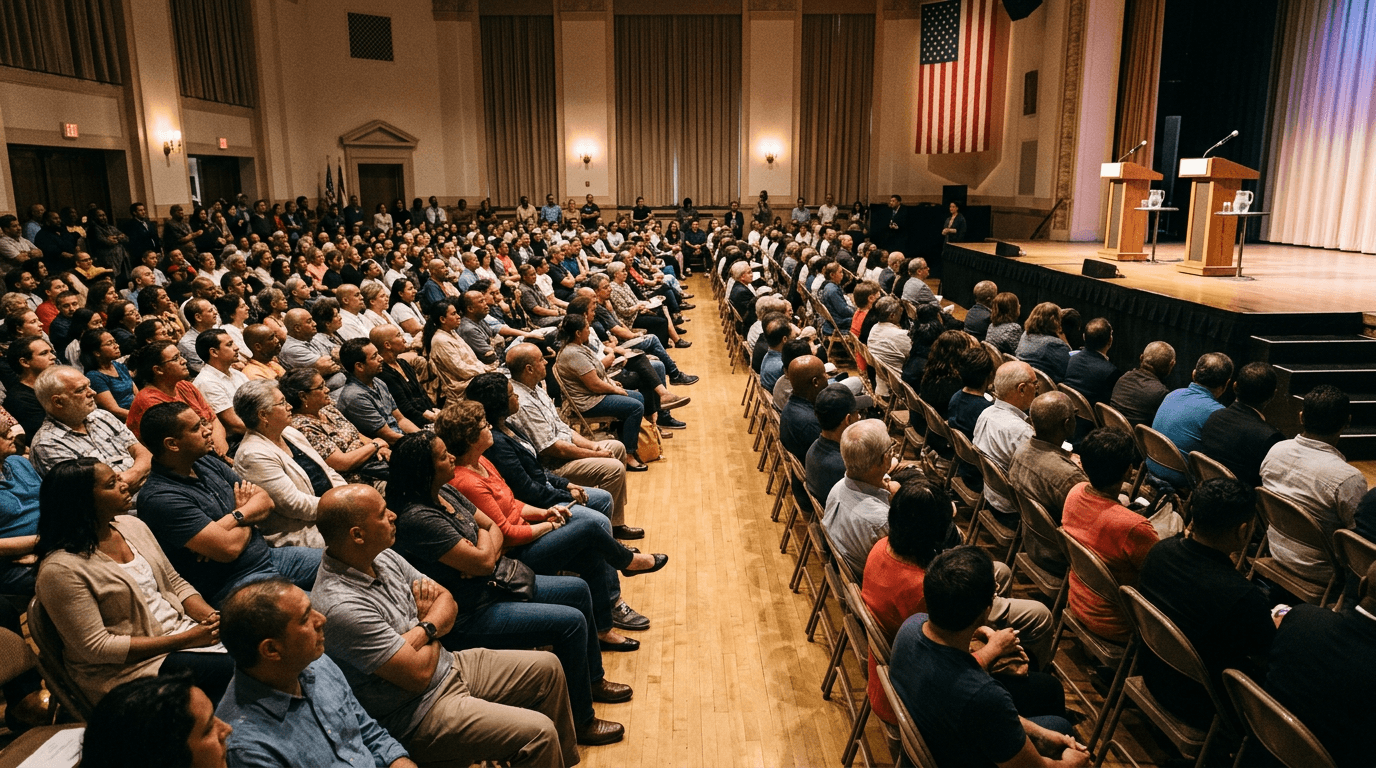
Los Angeles voters face a choice over who should lead the city and how to address housing, homelessness, public safety and basic services. Mayor Karen Bass is seeking another term against Nithya Raman, and the candidates offer competing assessments of the city’s direction and their records. Neither won the primary outright; the threshold was 50%. The general election is scheduled for Nov. 3, 2026.
The margin contracts do not settle who will win. Kalshi traders put the chance of Bass winning by more than two percentage points at 48% as of 12:58 p.m. ET on Oct. 17; the corresponding reading for Raman is 49%. At the threshold of more than four points, the figures are 45% for Bass and 47% for Raman. These are traders’ current beliefs, not forecasts. The close, overlapping readings leave uncertainty about both the winner and the size of the margin; they should not be mistaken for a single, complete account of the race.
The candidates’ dispute centers on the city’s challenges and their records. Raman argues Bass has failed to manage the city’s crises. Bass counters that Raman has little to show from her time leading the council’s housing and homelessness committee and is wrong on key issues. Bass says she wants to continue work on homelessness, public safety, housing production and rebuilding Pacific Palisades. Raman says her priorities include better basic services, more housing and reviving the entertainment industry. Their competing claims leave voters to assess both the problems and the candidates’ proposed responses.
Homelessness is a particularly contested measure of the incumbent’s record. The Los Angeles Times reported that the latest count showed an increase in people living on the street, while Bass says unsheltered homelessness has declined since she took office. That contrast makes the issue more complicated than a simple verdict on one statistic: the candidates disagree about the city’s performance and who is best placed to improve it. The Times also reports that Raman has been involved in city homelessness policy, so the question is not only whether Bass’s record satisfies voters but how they judge the challenger’s own role and proposals.
Wider margin thresholds add detail, but the trading evidence varies. Bass above six points is priced at 33%, though no contracts traded in that market over the last day and only 229 contracts open remain open, so the reading has little recent trading behind it. Raman above six points is at 31%. Raman above eight points is at 29%, also with no contracts traded over the last day; that price should be treated cautiously. At the threshold above ten points, the Raman contract is at 23%. The supplied contracts show no movement over the past day or week. They express uncertainty among traders, not a forecast of how voters will decide.