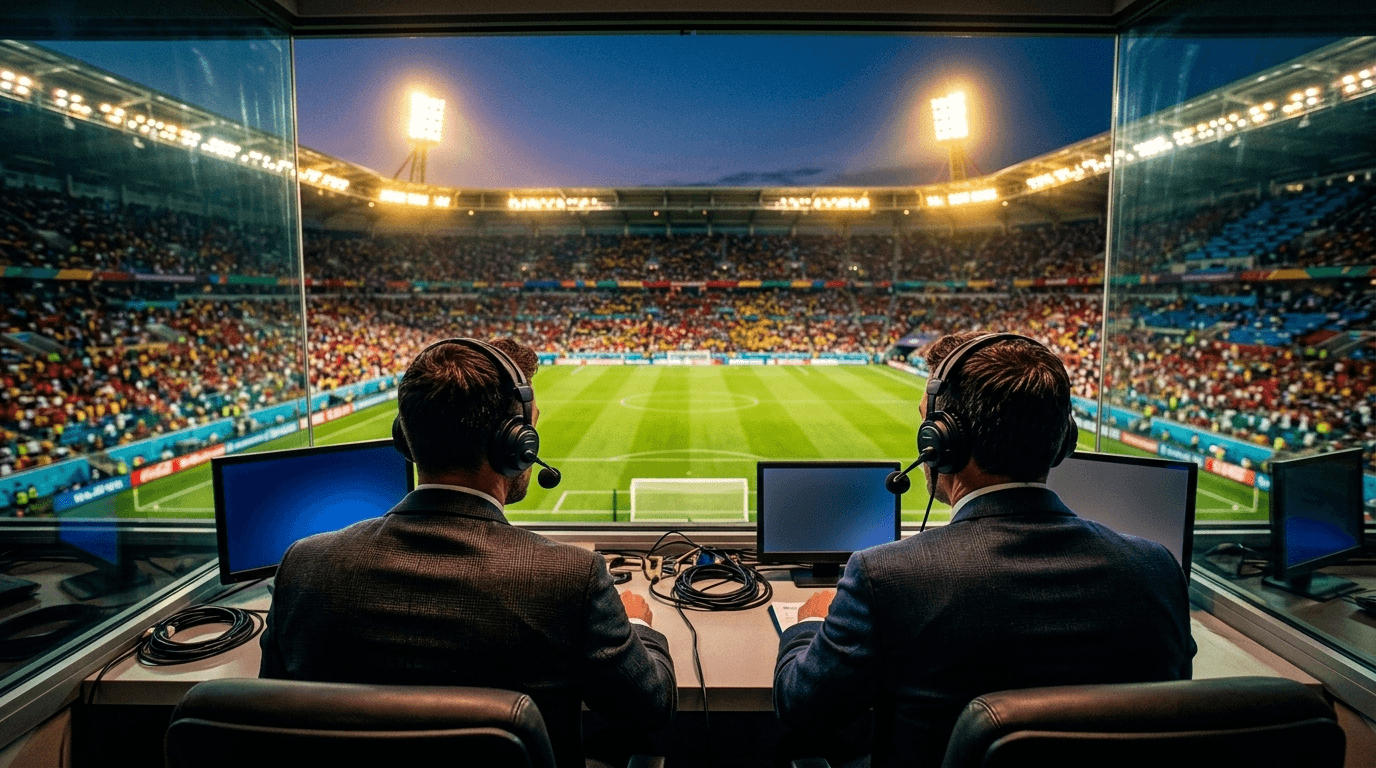
Prediction markets tracking announcer commentary during the upcoming France versus England fixture have collapsed to 1 percent implied probability, down 68 points in 24 hours, according to Kalshi data. The sharp reversal follows a similar pattern seen in a separate Zlatan-themed commentary contract that fell to identical odds after traders reassessed the likelihood of specific on-air phrases. More than $62,000 in volume has traded on the France-England announcer market, which closes August 1 at 21:00 UTC.
Commentary markets hinge on whether broadcasters utter predefined words or names during live coverage, a format that gained traction during the 2022 World Cup quarter-final between the same nations. That December 10, 2022 match saw England lose 2-1 to France, with announcers focusing heavily on Kylian Mbappé, Harry Kane, and Declan Rice. Alternative fan-led audio streams on platforms such as YouTube have since documented how specific player names and match incidents dominate talking points, creating a reference library for traders attempting to forecast broadcast language.
The 68-point overnight drop suggests new information reached the market, though contract specifics—including which broadcast feed Kalshi designates as the reference source—remain opaque to casual observers. Domestic and international commentary teams often emphasize different narratives, and outcomes can turn on whether alternative or official feeds qualify under settlement rules. Historically, content-based prediction contracts have surprised traders when niche wording criteria or boilerplate phrases that announcers routinely use are applied at settlement.
The France-England fixture represents a high-profile international rivalry, and the August 1 close date implies the match or relevant broadcast window falls on or before that evening. With implied odds now at 1 percent, the market prices the targeted announcer phrase as highly unlikely, yet contrarian traders may see value if the contract captures routine commentary language that speculators overlook. The steep price move and six-figure volume underscore how sensitive these markets are to trader reassessment of event-definition risk and broadcast wording conventions.