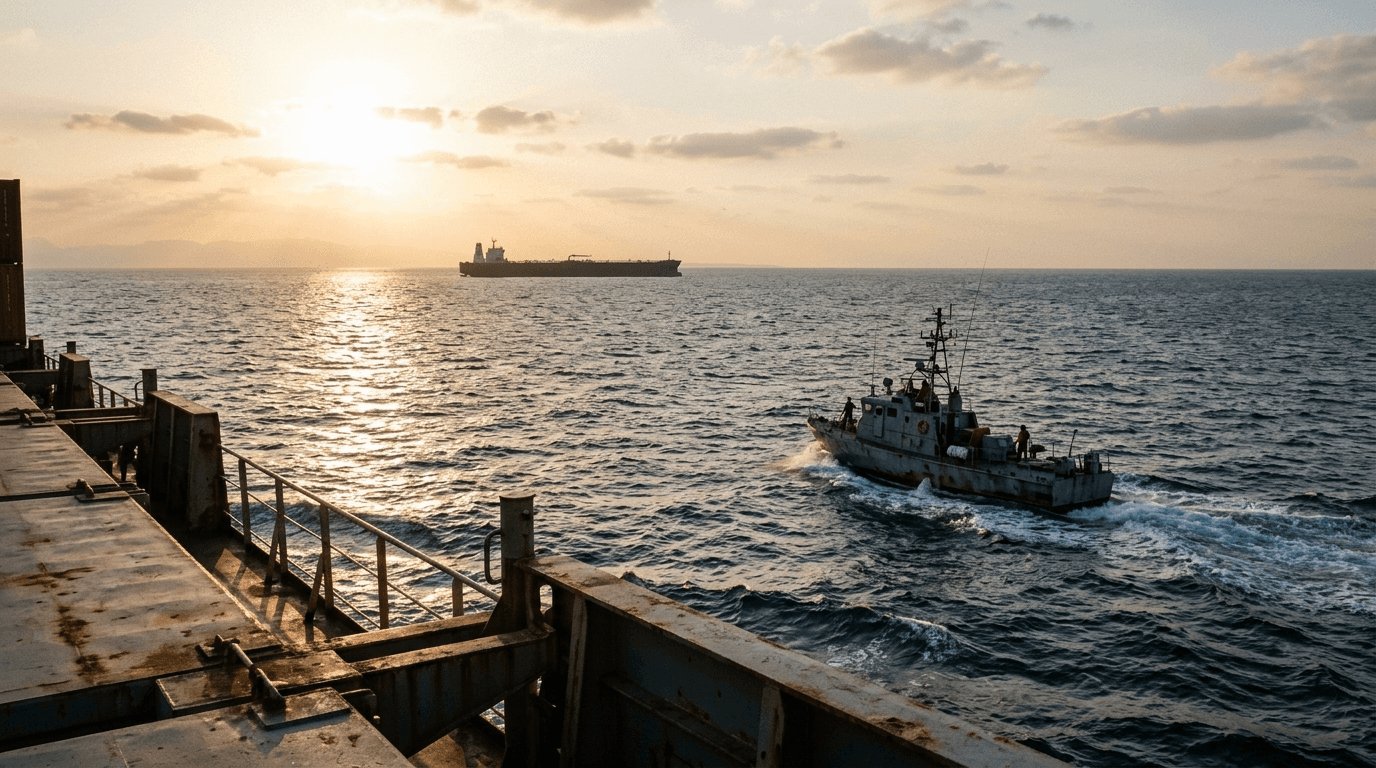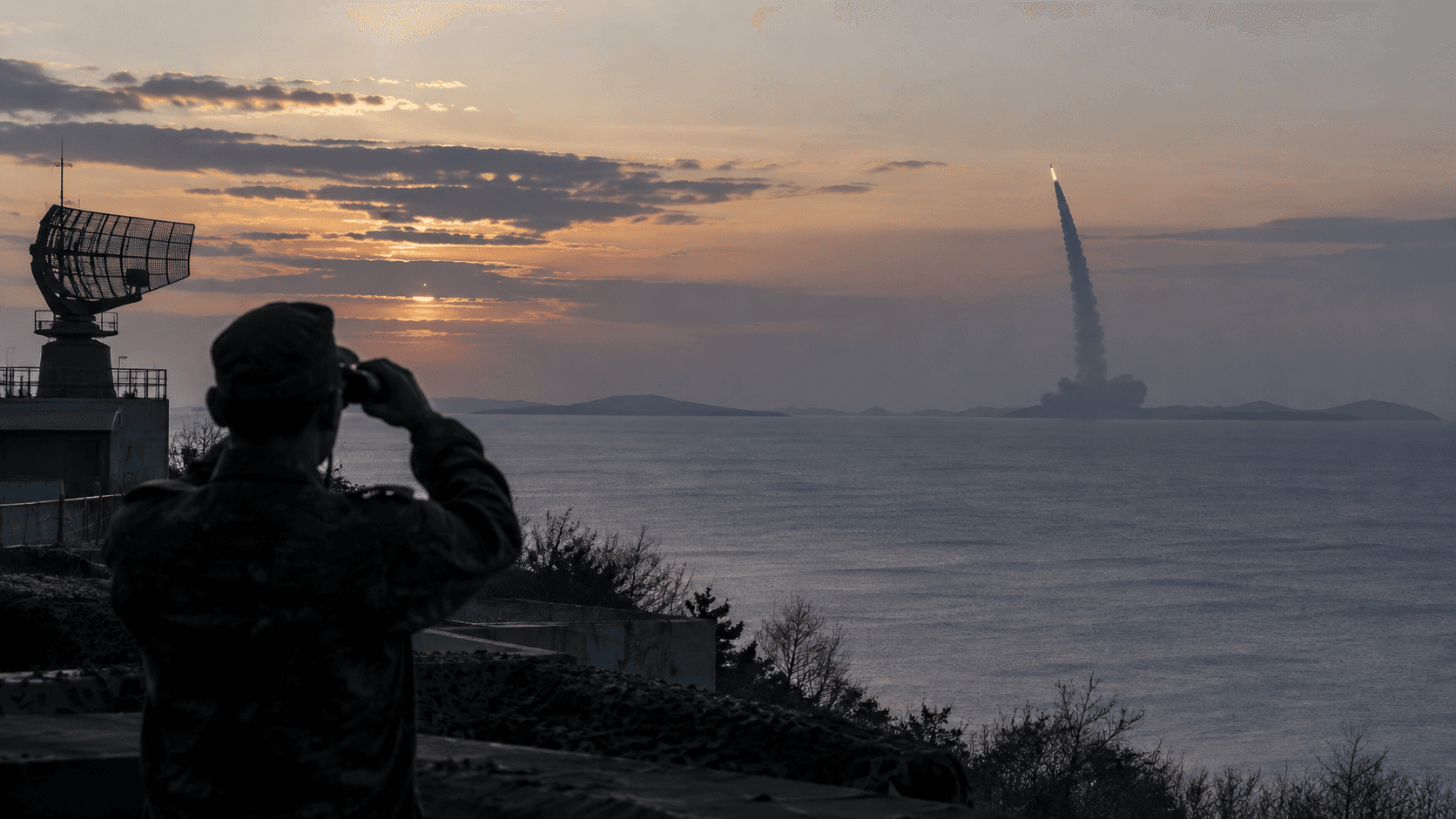
North Korea fired a short-range ballistic missile toward the sea on Sunday, renewing pressure on South Korea, Japan and the United States only days after another weapons drill. South Korea's Joint Chiefs of Staff said it detected the launch from the eastern Wonsan area in the afternoon. Japan's defense minister also reported a missile from near the North Korean coast. The latest launch creates a fresh security test for governments that had been watching for a diplomatic opening, while underscoring Pyongyang's ability to punctuate political disputes with new demonstrations of force. No impact on land or damage was reported in the initial accounts.
South Korea's military said the missile flew about four hundred fifty kilometers toward the East Sea, with technical analysis still under way. Japanese officials estimated a flight of roughly four hundred forty kilometers and said the weapon fell outside Japan's exclusive economic zone. Seoul said its intelligence services had tracked the launch from its early stage, shared information with the United States and Japan, and remained prepared for further provocations. Those are official assessments, and neither government has yet publicly identified the missile model or the purpose of Sunday's firing. The uncertainty matters because range and flight behavior can reveal whether North Korea is testing an existing system or a changed capability.
The firing follows a weapons drill earlier this month after the United States, South Korea and Japan completed a joint military exercise. Pyongyang has described such exercises as hostile rehearsals and vowed a response. Kim Yo Jong, sister of North Korean leader Kim Jong Un and a senior official, criticized another recent multinational maritime drill in the western Pacific. At the same time, South Korean President Lee Jae Myung has urged Washington to keep a channel open for dialogue. These competing signals leave the allies trying to deter further launches while preserving the possibility of talks. Sunday's missile is a reported military act; it does not, by itself, establish that a broader confrontation or diplomatic break is inevitable.
A Polymarket group tracking the number of September days with qualifying North Korean missile launches reacted sharply to the new firing. The chance assigned to exactly one launch day fell to about one percent, while three days stood near forty-seven percent and two days near thirty-five percent when checked Sunday morning. The group counts calendar days in Pyongyang, not the number of individual missiles, and stays open through the end of September. Those prices express traders' expectations about the remaining days of the month, not an official accounting of the weapons launched or a forecast endorsed by Seoul or Tokyo.
The next consequential information will come from the South Korean and Japanese technical assessments, which may clarify the missile type and whether there were additional projectiles. Seoul and Washington will also watch for an explanation from North Korea and for any further launches following its warnings about allied exercises. A restrained official response may keep diplomatic space open, but another test could make the security debate more urgent before leaders gather for international meetings later this month. For civilians in the region, the immediate concern is whether the pattern of repeated launches remains signaling or turns into a more dangerous cycle of military responses.