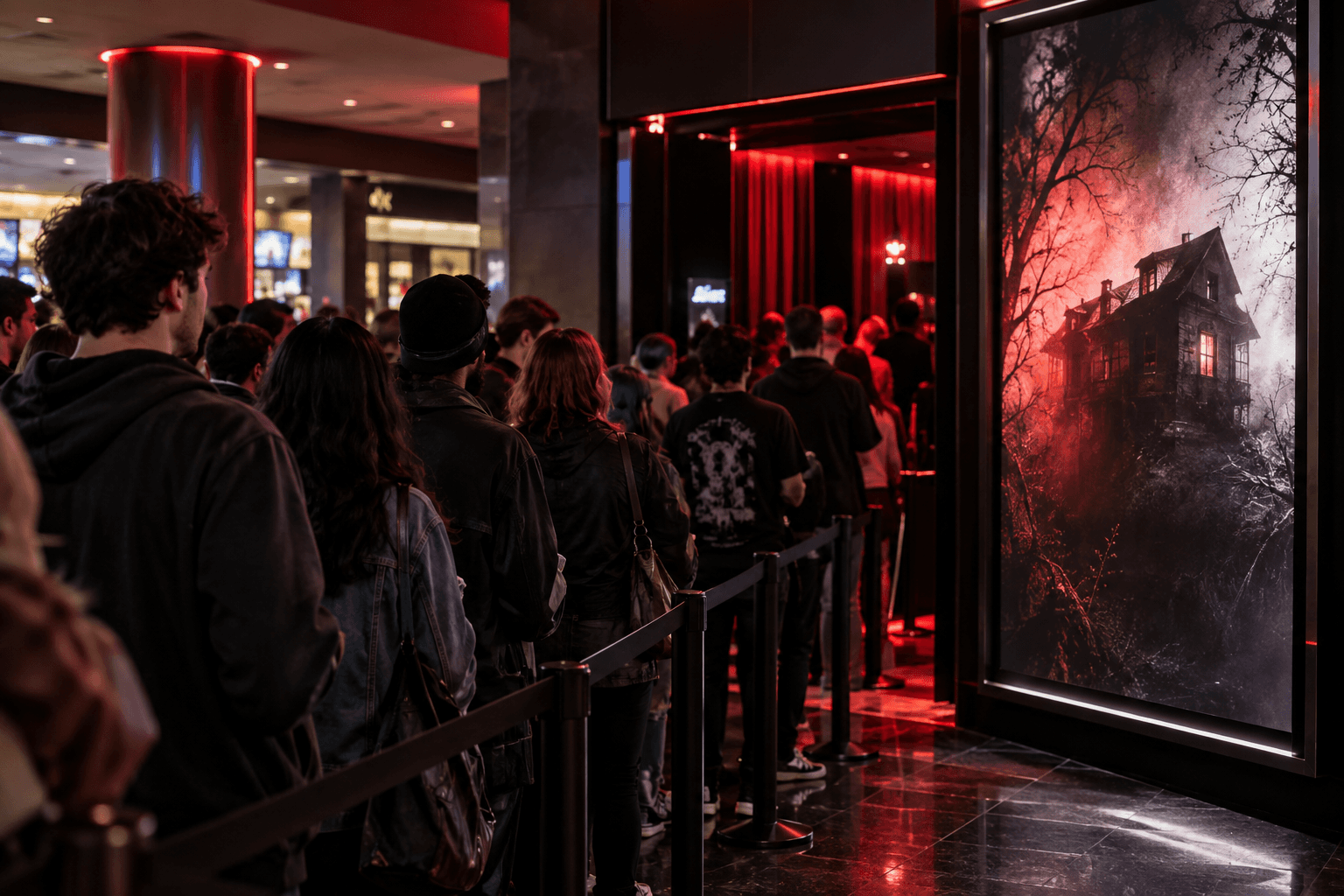
Zach Cregger's Resident Evil led the North American box office with an estimated $60 million opening from 3,684 theaters, according to Sunday studio figures reported by the Associated Press. That would be the biggest debut for the video game film series and Cregger's largest opening as a director. The movie also earned an estimated $48.3 million internationally, putting its worldwide launch at $108.3 million. Those are preliminary industry estimates, not final ticket sales, but they already show a much stronger start than the franchise's previous opening-weekend record. The result gives Sony a clear commercial win at a point when studios are watching whether horror can keep attracting theatrical audiences.
The reboot stars Austin Abrams as a medical courier caught in an outbreak in Raccoon City. Its first day brought in $26.3 million domestically, TheWrap reported Saturday, including an $8.8 million preview haul. That one-day figure alone came close to the $26.6 million three-day opening of Resident Evil: Afterlife in 2010. TheWrap said Sony had initially projected a $53 million to $55 million weekend, while other industry estimates pointed to roughly $60 million if Saturday and Sunday held up. The reported Sunday estimate therefore represents an upward turn from the studio's earlier range, though Monday's actuals will determine the final number.
The performance also reflects Cregger's growing pull with horror audiences after Barbarian and Weapons. The Associated Press reported strong reviews for the new film and a B-plus CinemaScore from moviegoers. It said a predominantly younger audience attended opening weekend. TheWrap listed a $75 million production budget, a figure that excludes marketing and distribution spending. A large debut improves the film's prospects, but it does not establish a profit on its own. Future weekends, overseas releases and the cost of promoting the movie will all shape the eventual return. The film's reception may also influence whether the studio can build a durable new series from the adaptation.
On Polymarket, a bracket for a domestic opening between $60 million and $65 million traded near 88 percent on Sunday after rising about 26 percentage points over a day. The market remained unsettled pending final figures from box-office data providers. That price is a measure of expectations about one narrow revenue interval, not a certified box-office result and not a claim about the film's eventual lifetime gross. The AP estimate sits at the bottom of the favored bracket, making revisions to Sunday's estimate particularly relevant to the contract. The business story is broader than that boundary: the film has drawn a franchise-best opening audience.
Final domestic totals are expected Monday, when the industry can compare actual sales with the Sunday projection. The next few weeks will show whether positive early reviews and word of mouth can offset the usual steep declines for horror releases. Sony and its partners will also watch international performance as the movie reaches more markets. For now, the estimate establishes a strong opening weekend while leaving the precise gross and the film's longer commercial trajectory open. That difference between an early snapshot and the final run matters for any decision about how far the franchise can grow.