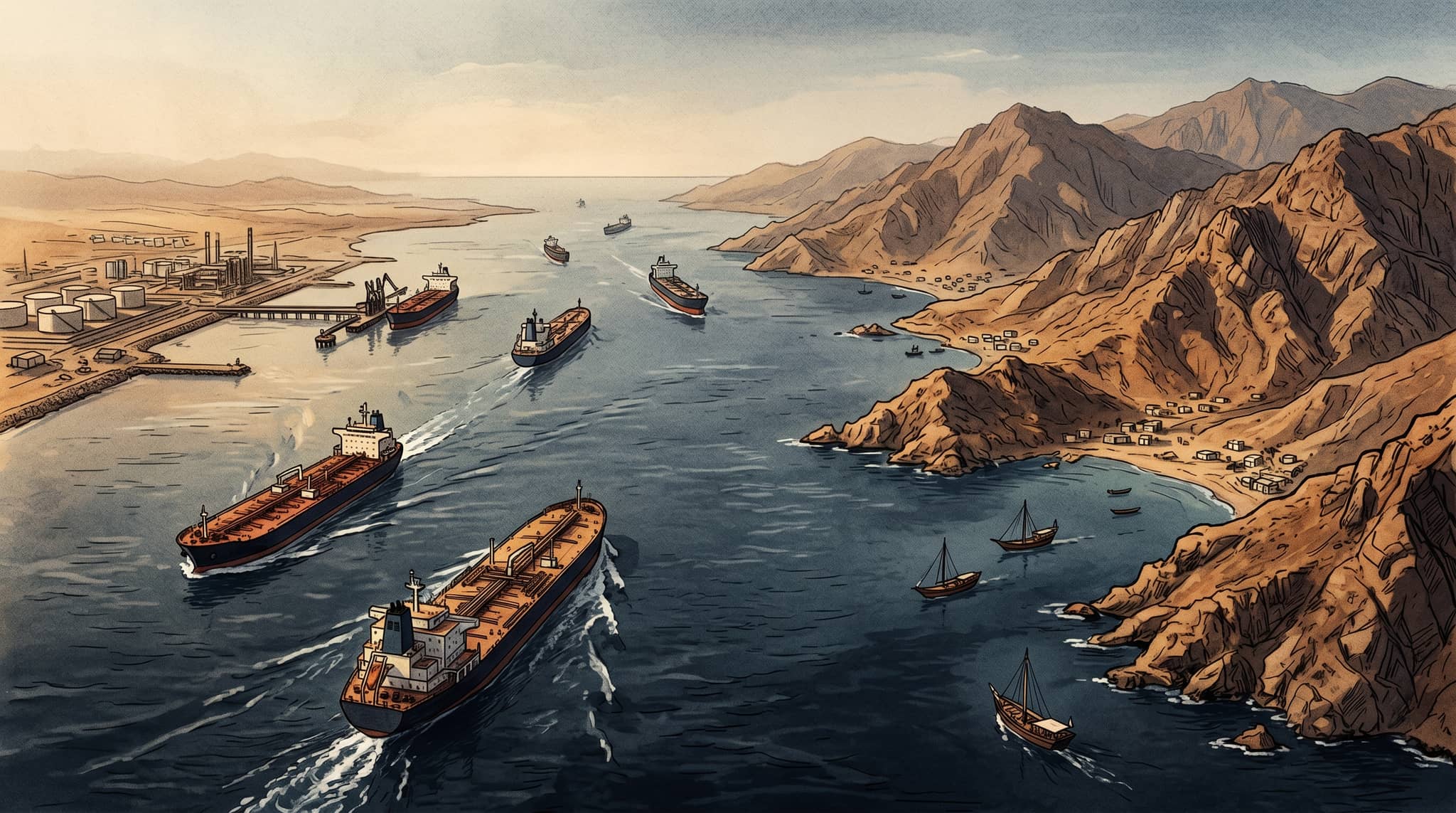
Daily ship transits through the Strait of Hormuz have fallen well below the normal summer range this month, according to data tracked by the International Monetary Fund’s Portwatch platform. The narrow waterway, which carries roughly one-fifth of the world’s seaborne oil, typically sees more than 80 vessels pass on a single day during peak months. June has so far shown a persistent shortfall.
The decline follows a period of heightened regional tensions and disruptions to shipping. Tanker operators have faced shifting insurance costs, port delays, and security checks that slow transit times. The IMF’s Portwatch service tracks live automatic identification system signals from commercial vessels moving through the strait.
Any sustained drop in daily traffic affects global oil supply logistics and shipping rates. The strait connects the Persian Gulf to the Gulf of Oman and the open ocean, forming a chokepoint for crude from Saudi Arabia, Iran, Iraq, Kuwait, and the United Arab Emirates.
Market participants are watching the daily Portwatch count for any single-day spike above 80 transits before June 30. The last time that threshold was crossed in a single day was in late May, before the current slump began. A return to that level would require a sharp increase in tanker and cargo vessel movement in the final two weeks of the month.
Whether traffic rebounds depends on shipping schedules, security conditions, and the pace of energy export operations out of Persian Gulf ports. The IMF’s tracking data will update continuously through the end of June.