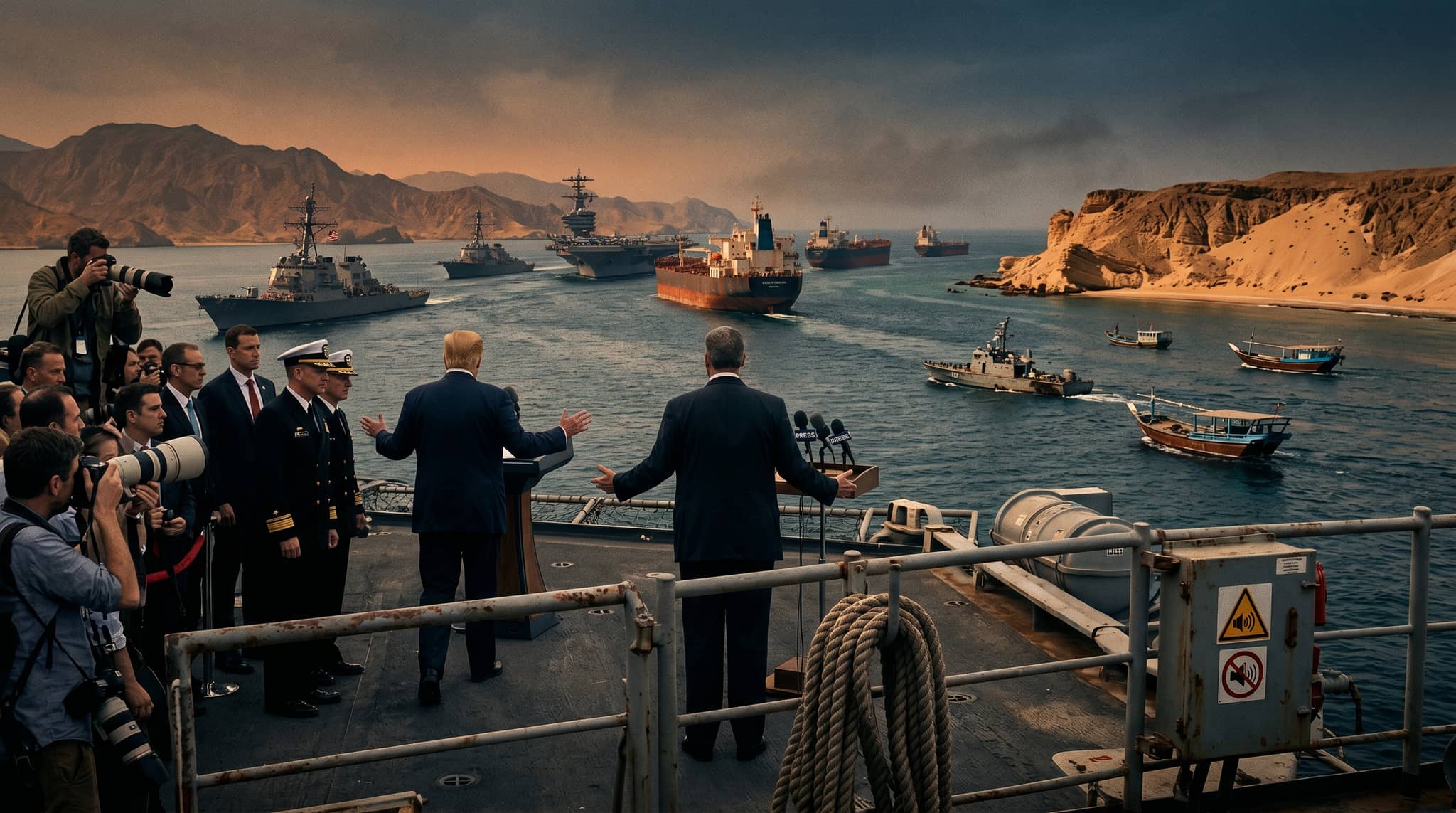
The Strait of Hormuz has been effectively closed to normal commercial traffic for 94 days as of early June 2026, with transit levels at roughly 5% of pre-conflict averages. The disruption stems from Iranian sea mines, the absence of a definitive US-Iran peace agreement, and elevated insurance costs for shippers.
An analysis by the Center for Strategic and International Studies details the severe impact on global energy markets and supply chains. The International Monetary Fund's PortWatch platform, which tracks vessel calls, continues to show near-zero transit through the strait.
No official timeline for reopening the waterway has been provided by either the United States or Iran. Experts cited by CNN indicate that a return to full capacity before late 2026 remains unlikely given the diplomatic impasse and continued naval escorts.
The key catalyst for normalization would be a peace agreement that includes explicit provisions for safe passage and removal of mines and restrictions. The market outcome will be determined by transit data from the IMF PortWatch platform.