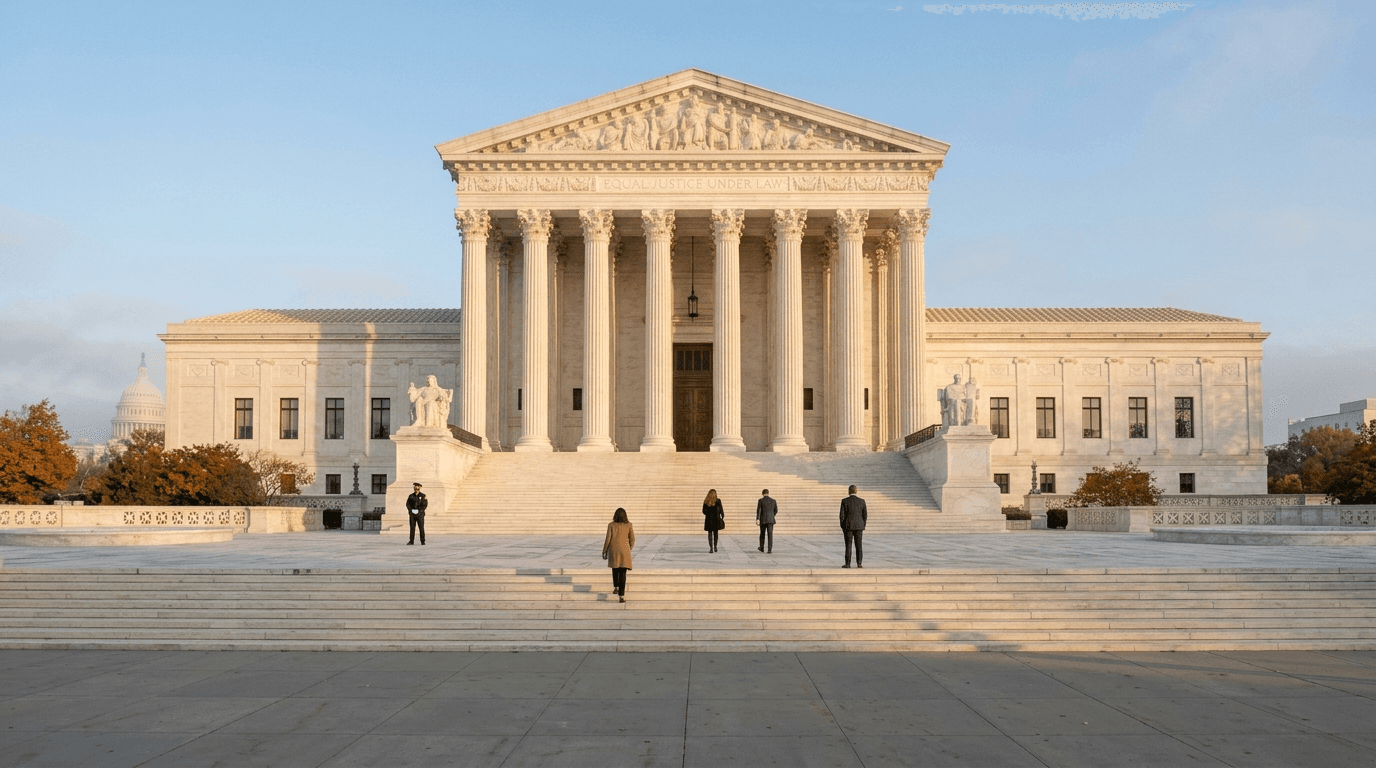
The Supreme Court’s handling of a dispute involving the Trump administration has put the president’s contact with sitting justices under a sharper light. But the public record described in the available reporting establishes a court filing and a ruling—not a meeting or phone call between Trump and a justice. Those are different questions, and the court’s action does not answer the private one. The contract asks about a meeting, including a phone call, with any sitting justice; the reported court activity should not be treated as an answer to that question.
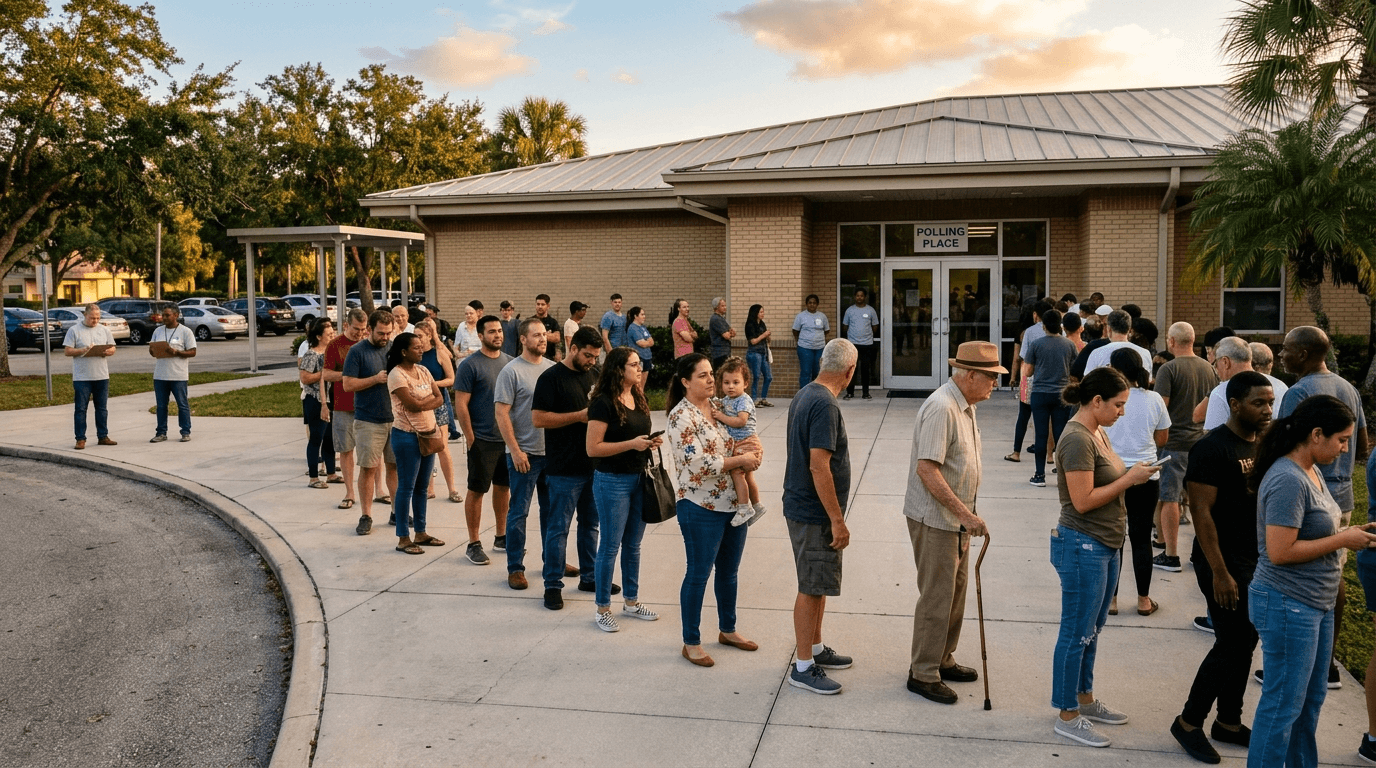
The administration asked the Supreme Court to intervene in its California ballot dispute, and the court declined. Justice Elena Kagan received the filing first and referred it to the full court. Before that, a federal judge rejected the administration’s request for a temporary order to sequester challenged ballots on Oct. 28. These are documented steps in a legal process; none establishes that Trump personally spoke with a justice. The distinction is between what the court did in response to a filing and whether the president had direct contact with a justice. The first is documented in the source; the second is not established there.
Public political talk about the court can also be mistaken for evidence of direct contact. A report about Trump discussing a possible choice if a vacancy arose would concern a hypothetical nomination, not whether he met or called a justice who currently serves. The research available for this draft does not provide evidence of such contact. Nor does it establish that no contact has occurred: an absence of documentation in these sources is not proof of absence. That limit matters in both directions. Public reports cannot confirm private contact merely by describing activity around the court, and a lack of confirmation in the available reporting cannot rule out an undisclosed conversation.
A Kalshi contract asks whether Trump will meet, including by phone, a sitting justice before the year turns. Traders currently put that outcome at 52% on Kalshi as of 9:15 a.m. ET on Nov. 3. The displayed price changed little over the past day and week, but the listing reports 0 contracts traded over the last day; its open interest is 942 contracts open. With no contracts traded over the last day, the displayed probability is a limited signal, not a well-supported public measure of what is likely. The contract includes phone calls, while the reporting about the court dispute describes formal filings and judicial action. The two should not be conflated. A contract price records what traders currently believe, not an objective probability, and the sparse recent activity gives little basis to treat it as a definitive reading of public expectations.
The unresolved issue is direct contact, whether it has already happened privately or might happen before the contract’s cutoff. The court’s decision and the routing of the filing offer a public account of how the dispute proceeded; they do not reveal the participants or subject of any separate conversation. The useful conclusion is therefore narrow: the sourced public events do not establish that Trump has spoken with a sitting justice, and they do not settle whether he will. The market’s price cannot fill that evidentiary gap. For readers, the distinction is important: a court’s public handling of a case and a president’s possible private communication with a justice are not interchangeable evidence.