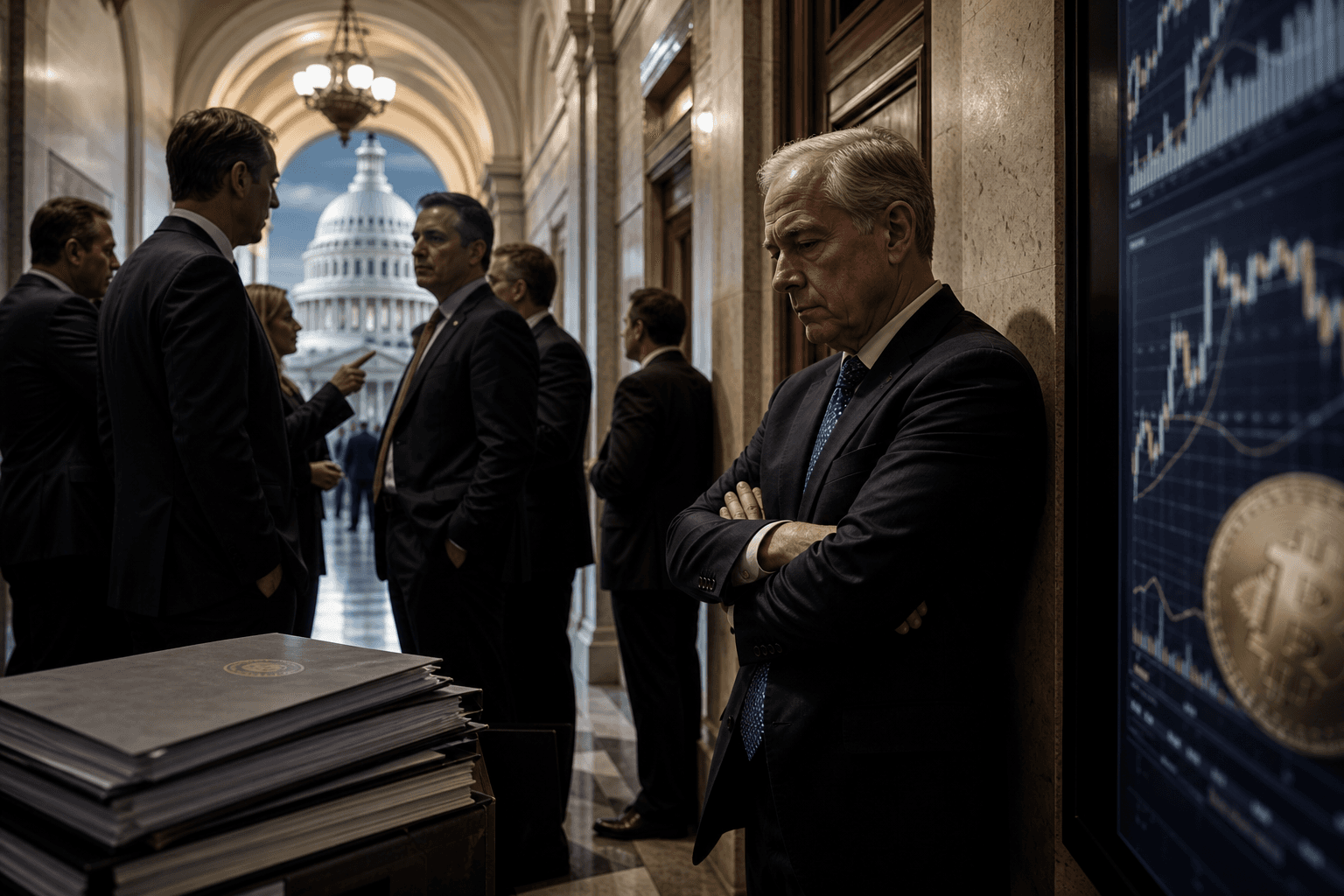
The fight over the Clarity Act has reached the point where process is becoming as important as substance. What began as a push to give the digital asset industry a more settled regulatory map is now tangled up with a harder political question: whether Senate leaders can still move a contentious crypto bill once the easy summer timetable has slipped away and every faction has a reason to turn the measure into a proxy battle over Trump, enforcement and who gets to police the next generation of financial risk. That makes the bill more important, not less. For supporters, delay threatens a once plausible chance to put market structure rules on the books. For critics, delay creates room to attack what they see as a permissive framework with obvious ethical and enforcement holes.
The case for action is still straightforward on paper. Thomson Reuters reported in mid August that the House passed Clarity Act was awaiting Senate action while supporters pressed for a vote before lawmakers left for the August recess. The Senate Banking Committee's majority side has spent months making the affirmative argument that the bill would define jurisdiction between regulators, strengthen anti fraud rules, require disclosure and keep lawful activity from drifting into a gray zone. In that telling, the United States either writes durable rules at home or keeps pushing innovation and risk into murkier channels abroad. That argument has real force, especially for companies that have spent years complaining that overlapping oversight from the Securities and Exchange Commission and the Commodity Futures Trading Commission has left basic compliance questions unsettled.
Prediction markets, however, are not treating passage this year as the likely path. On Polymarket's visible Featured row on August thirtieth, the Clarity Act market still implied only a small chance that the bill becomes law before year end, despite its prominent placement among the site's non sports political markets. The odds suggest traders see the bill as politically alive but procedurally stuck. That is a narrower and less forgiving thesis than the one supporters were trying to sell during the late summer sprint.
The reason is not only calendar pressure. The minority side of the Banking Committee has sharpened the attack by arguing that the latest text would do little to restrain Trump linked crypto conflicts and would leave major loopholes in place even while blessing a broader market structure. Once that critique enters the center of the debate, supporters have to do more than say the bill offers clarity. They have to show that clarity does not come at the expense of accountability. That is the harder sell heading into the fall. If Senate leadership revives the measure, the next stage will not look like a clean technocratic cleanup bill. It will look like a broader political test of whether Congress wants to legitimize the crypto market on the industry's preferred timetable while doubts about guardrails, ethics and enforcement remain this exposed.