The independence of the Federal Reserve is not an abstraction for anyone with a mortgage, a car loan or a credit card balance. Whether the person running the central bank can set interest rates without being publicly turned on by the president shapes how much confidence people place in the institution. That is the real subject behind a narrow-sounding question: will President Donald Trump publicly criticize Fed Chair Kevin Warsh himself? So far, the record suggests he has mostly chosen not to.
The most recent episode fits that pattern. According to a report carried by TradingView News, Trump again criticized the Federal Reserve, saying interest rates are too high and that its decisions are political in nature. In the same remarks, he said he was not blaming Warsh. A Substack analysis of the relationship makes the same point more broadly. Unlike his frequently personal attacks on Jerome Powell, it says, Trump has largely distinguished Warsh from the institution Warsh leads, blaming other members of the Federal Reserve for the monetary policies he opposes.
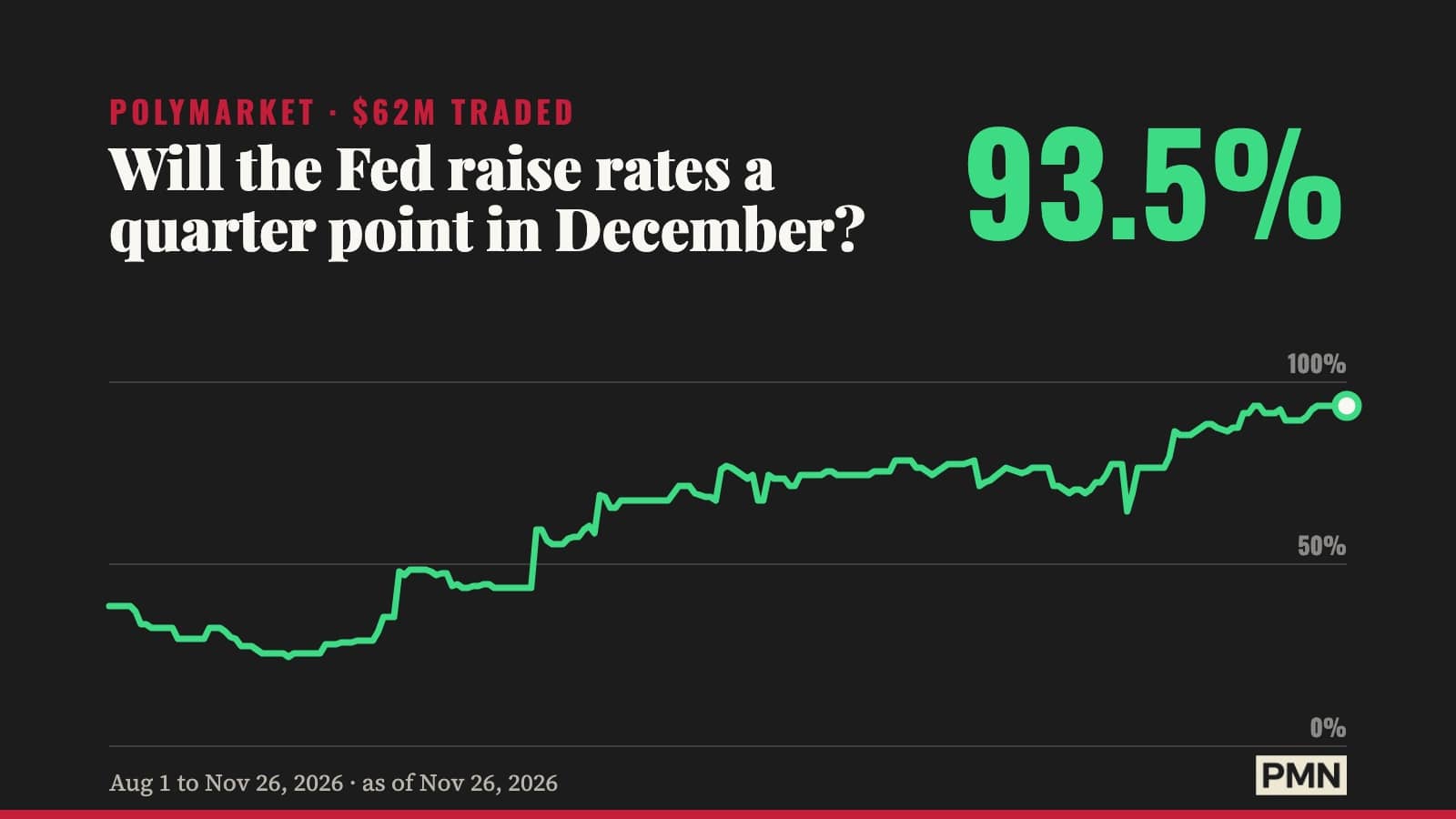
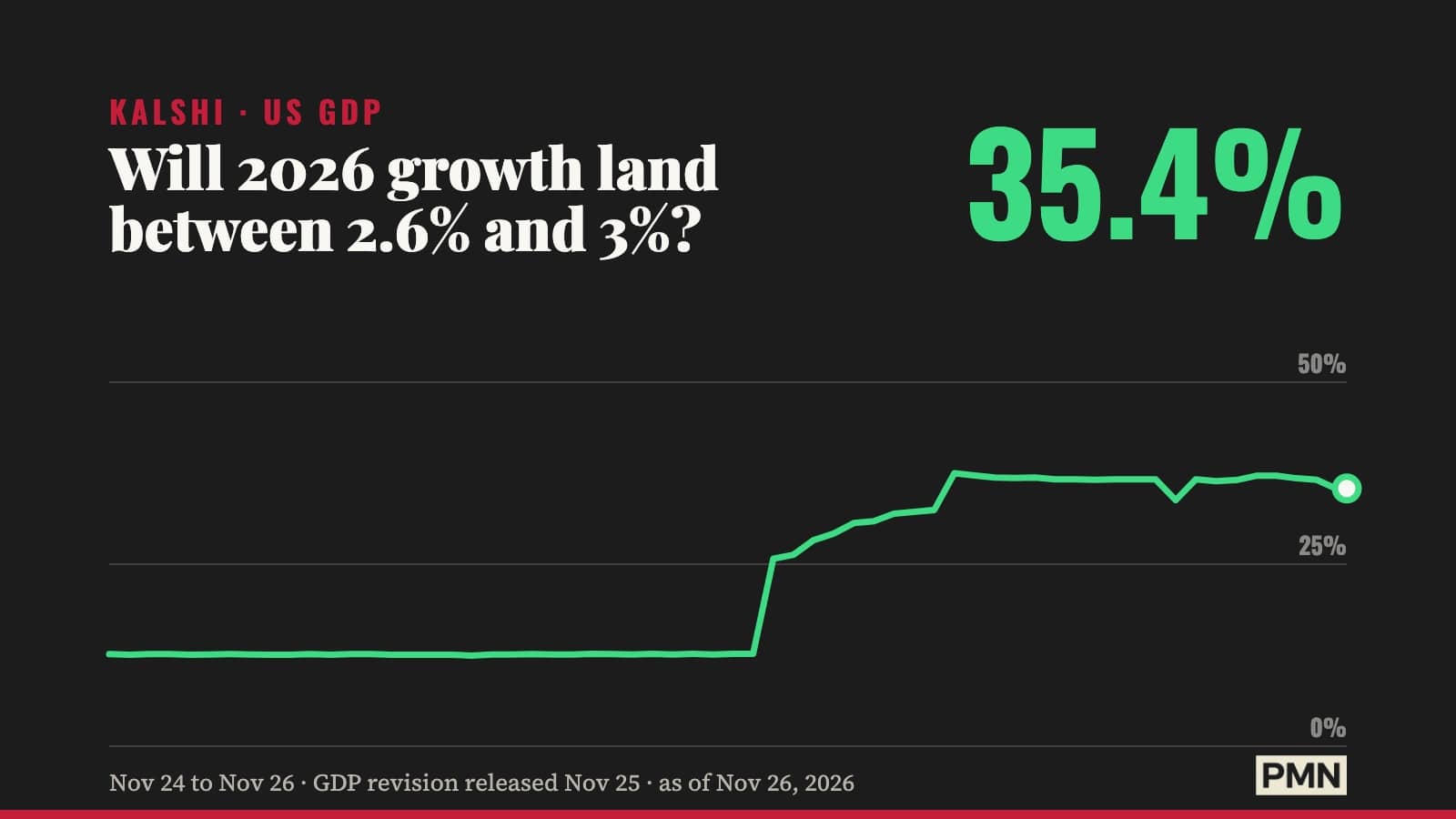
Warsh, for his part, has not made it easy to read a rift into the record. In September he joined a unanimous Federal Open Market Committee in raising interest rates by a quarter percentage point, despite Trump's demands for lower borrowing costs. The same analysis says he has generally refrained from publicly engaging with Trump's criticism. Inflation, meanwhile, was reported at 3.7% ahead of the Fed's December decision, well above the central bank's own objective. That gives the Fed a stated reason to hold firm, and gives Trump a reason to keep complaining.
Traders see the personal break as possible but not the base case. On Kalshi, the contract asking whether Trump will criticize Warsh publicly before the end of the year stands at 27% as of 10:53 a.m. ET on Nov. 27, down 4 points in the last day and down 3 points over the week. It is the most actively traded of the three, with 3,719 contracts traded over the last day. The longer window, running until the start of April, is priced at 53%, up 6 points over the week. That price rests on a thin book, with 85 contracts traded over the last day, so it says less than its size suggests. The shortest window, which closes at the end of this month, is at 3% with 0 contracts traded over the last day. These are three nested time windows on one question, not three separate outcomes, and the higher price on the longer one largely reflects more time for something to happen.
The obvious reading, that a rift between the president and his Fed chair is forming, runs against what is on the record. Trump has consistently separated Warsh from his complaints about the institution, and Warsh has stayed out of the argument in public. One plausible reading is that both men are protecting a working relationship. What nobody knows yet is whether that separation holds if the Fed's December decision goes against what Trump wants. If it does not, the market's modest price on a public break could look low. If it does, the more telling story may be how long a president and a Fed chair can disagree on rates without either one saying so directly.