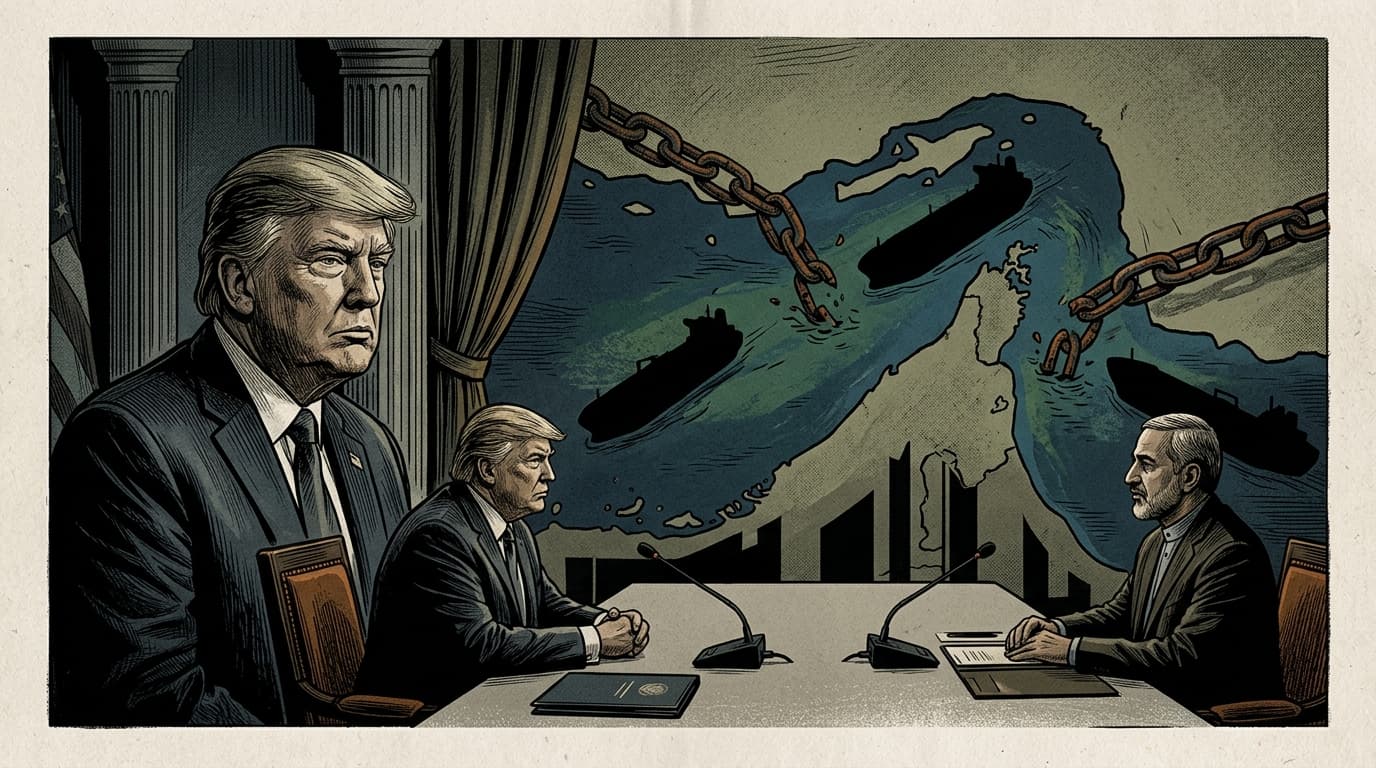
The United States and Iran have reached a tentative agreement to extend their ceasefire by 60 days and begin formal nuclear negotiations, but the accord awaits approval from President Donald Trump and formal confirmation from Tehran, according to U.S. officials and expert analysts. No comprehensive nuclear deal is expected by the May 31 deadline.
The memorandum of understanding, if finalized, would pause military operations for two months and create a framework for talks on Iran’s nuclear program. The Soufan Center, a think tank monitoring the negotiations, reported that both sides are close to finalizing the MOU. U.S. officials described the agreement as the most substantive progress since the conflict began.
On May 24, U.S. officials told Al Jazeera that a deal had been agreed in principle regarding navigation through the Strait of Hormuz, though it had not been signed. The tentative extension of the ceasefire follows months of indirect negotiations mediated by Oman and other regional powers.
The path to a final nuclear deal faces significant political hurdles. President Trump has not yet approved the MOU, and Iranian leaders have not issued a public confirmation. The Soufan Center noted that without presidential approval in both capitals, the agreement remains provisional. The deadline of May 31 for a comprehensive nuclear accord now appears likely to pass without a formal deal.
The next milestone is President Trump’s decision on the tentative ceasefire extension, which could determine whether the two countries can sustain momentum toward a permanent nuclear agreement. Talks are expected to continue regardless of the May 31 deadline.