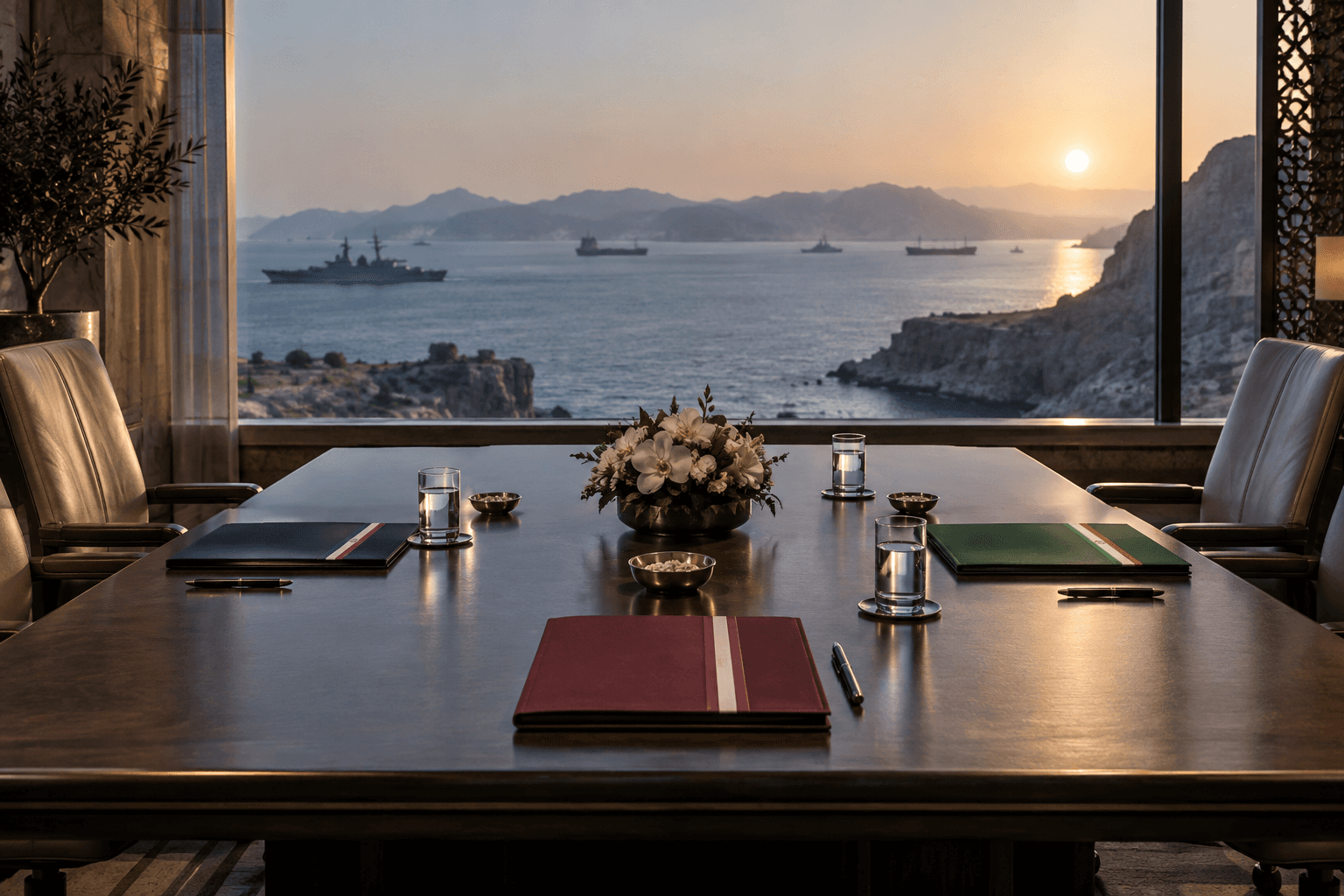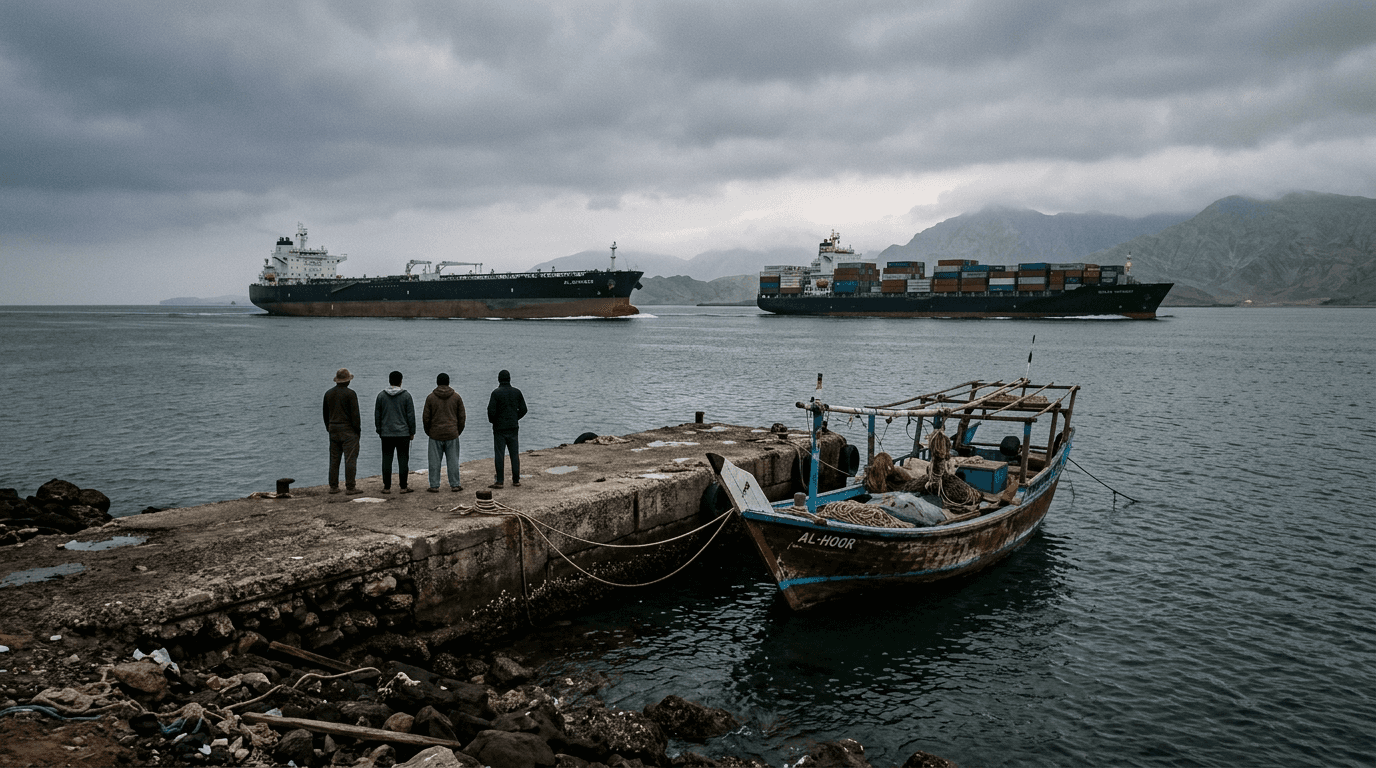
The question of who might sit down in a US-Iran peace-talk round matters because the standoff touches the Strait of Hormuz, a major global energy route whose closure has curtailed shipping. But recent contacts do not confirm that a broader meeting is imminent, much less identify its participants. The reported diplomacy has been indirect, with Qatar and Pakistan serving as mediators. That distinction matters: contact among officials or through intermediaries is not the same as a confirmed round of talks, and it does not settle who would represent either side.
The parties also disagree over what should come first. Iran’s proposal would put steps to reopen the strait ahead of broader negotiations, including on the nuclear programme; the proposal described those steps as taking four or five days. A US official said there would be no agreement to end the war unless Iran’s nuclear programme was addressed. The US and Iran remained apart over the timing and sequence of commitments, despite the official’s account that Iran had shown flexibility on nuclear issues. That gap leaves open whether a future meeting, if one takes place, would focus narrowly on reopening the waterway or address the nuclear issue as well.
On Polymarket, there is no clear consensus on the prospective attendees. Traders put Iranian Foreign Minister Abbas Araghchi at 51% as of 7:45 a.m. ET on Oct. 3. Jared Kushner was at 55%, and Steve Witkoff at 54%; Qatar’s prime minister, Mohammed bin Abdulrahman Al Thani, was at 46%. These are traders’ current beliefs, not forecasts. Trading over the last day was $7K in trading over the last day on Araghchi’s contract and $3K in trading over the last day on Kushner’s, so the prices should not be mistaken for evidence that a meeting is taking shape. They record expectations attached to the contracts, not confirmation from the governments that a particular official will attend.
The remaining names sit lower, but their prices do not resolve the larger question. Traders put Iranian diplomat Majid Takht-Ravanchi at 31%, parliament speaker Mohammad Bagher Ghalibaf at 27%, Pakistani official Ishaq Dar at 23%, and Kazem Gharibabadi at 22%. The contracts’ prices sum to neither a complete roster nor a partition of possible outcomes: people could attend together, other officials could participate, or no qualifying meeting may happen. The market cannot tell readers which scenario is taking shape on its own. In particular, these separate prices do not say whether a listed person would attend alone, alongside others, or as part of a mediated process.
Araghchi met Qatari mediators in New York to discuss Iran’s proposal, and said they would present the ideas discussed to the US. President Donald Trump said he expected talks to resume soon after rejecting Iran’s proposal. Araghchi, meanwhile, said Iran remained ready for diplomacy while also prepared for renewed war. Those statements and contacts point to continued diplomatic activity, not an agreed agenda or confirmed next round. The key uncertainty is therefore broader than the names on the contracts: whether the sides can bridge their dispute over the sequence of issues, and whether any resulting meeting would include the people named here, remains open.