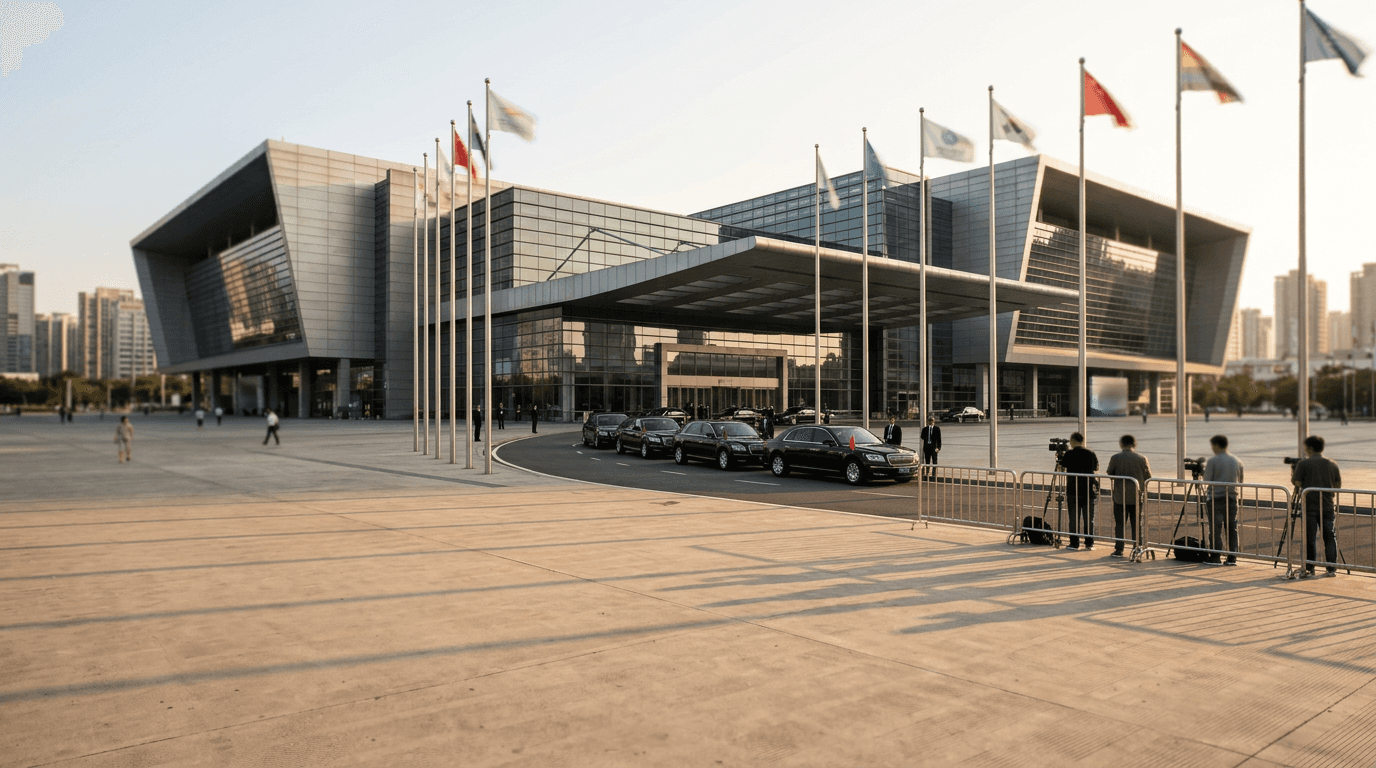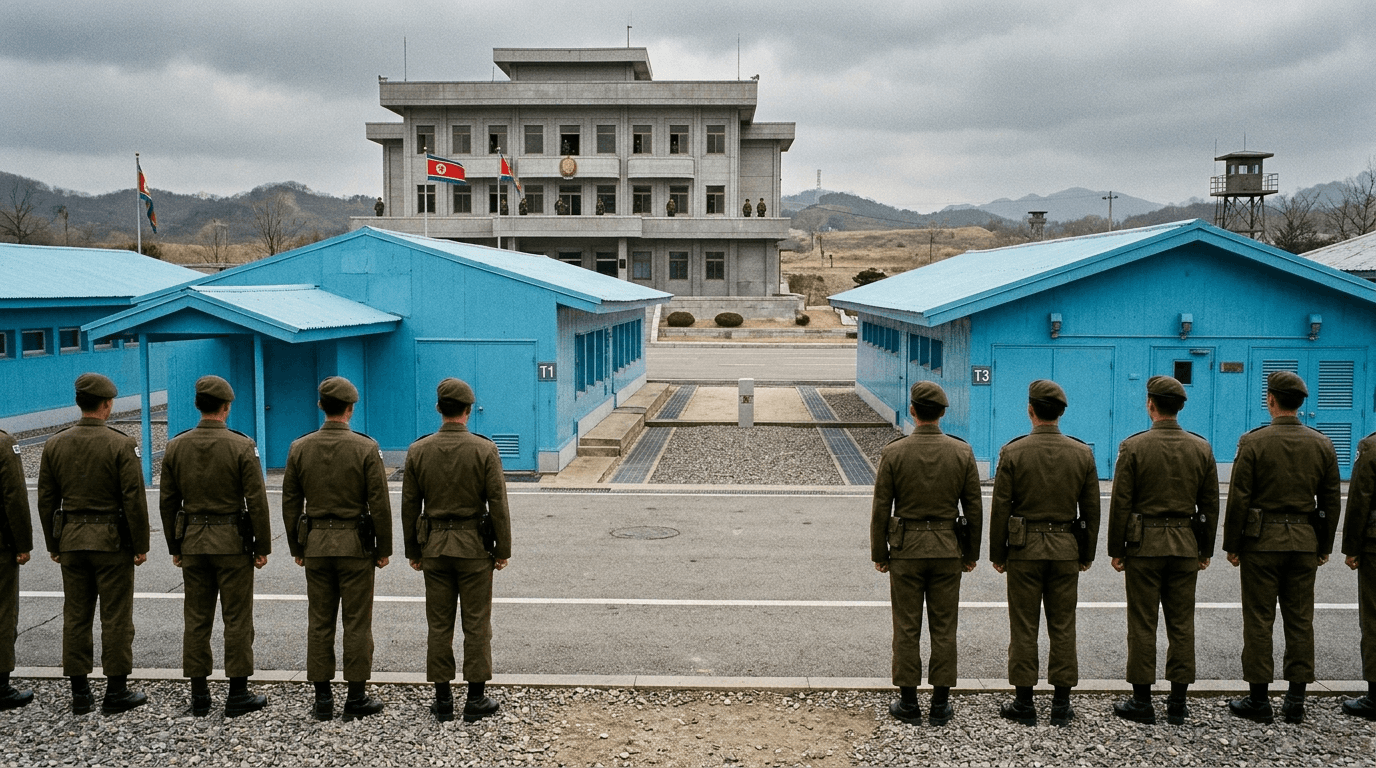
Whether Kim Jong Un will visit the United States is a different question from whether he might meet Donald Trump abroad. Recent reporting focuses on a possible meeting during Trump’s Asia trip, with China discussed as a potential venue. A meeting in China would not be a visit to the United States, and reporting about a possible summit does not resolve whether Kim will travel to the United States during Trump’s term. Keeping those questions separate matters: one concerns a possible encounter between the leaders, while the contract asks about Kim’s destination.
On Kalshi, traders currently put the chance of a US visit at 12% as of 12:53 p.m. ET on Oct. 27. The price was up 7 points over the week. That is a measure of what traders believe, not a forecast of what either government will do. The board shows 87 contracts traded over the last day, so the movement should be read alongside the limited trading behind it. The contract asks whether Kim will visit the United States during Trump’s term; a meeting in China or another country would not answer that question. Nor does the market price establish that a visit has been proposed or agreed.
Reuters reported that US and South Korean officials saw the prospects for a Trump-Kim meeting this year fading. The United States had received no North Korean response to a proposed meeting, and the reporting identified a regional summit in China the following month as a possible venue. The White House said Trump remained open to talks but had no meeting to announce. A South Korean ambassador said there had been no concrete progress toward a summit. Taken together, those reports describe uncertainty around a possible meeting, not evidence that Kim will accept an invitation to visit the United States. A possible meeting abroad and a US visit are distinct outcomes.
There is a more hopeful interpretation, but it is explicitly tentative. A Daily NK opinion column suggests Kim’s reduced visibility at political events could be consistent with preparing for a summit, while cautioning that his absence alone does not prove he intends to reopen diplomacy. That interpretation contrasts with the reported lack of a North Korean response and the assessment that prospects for a near-term meeting are fading. The column offers a possible reading of Kim’s public behavior, not confirmation of his intentions. Even if a summit were being prepared, that would not by itself show where it would take place or whether Kim would visit the United States.
The stakes of diplomacy are substantial: the United States stations troops and military hardware in South Korea as part of combined defense against North Korea. Trump’s earlier meetings with Kim were historic but produced no concrete results. For now, the public reporting is about whether the two leaders might meet, potentially in China—not whether Kim will come to the United States. The market records traders’ current belief on that narrower question, but its price cannot establish what either government intends or whether a visit will happen. The distinction is important for readers: news about an opening for talks is not evidence that a US visit is underway, and a possible summit abroad would leave the contract’s central question unanswered.