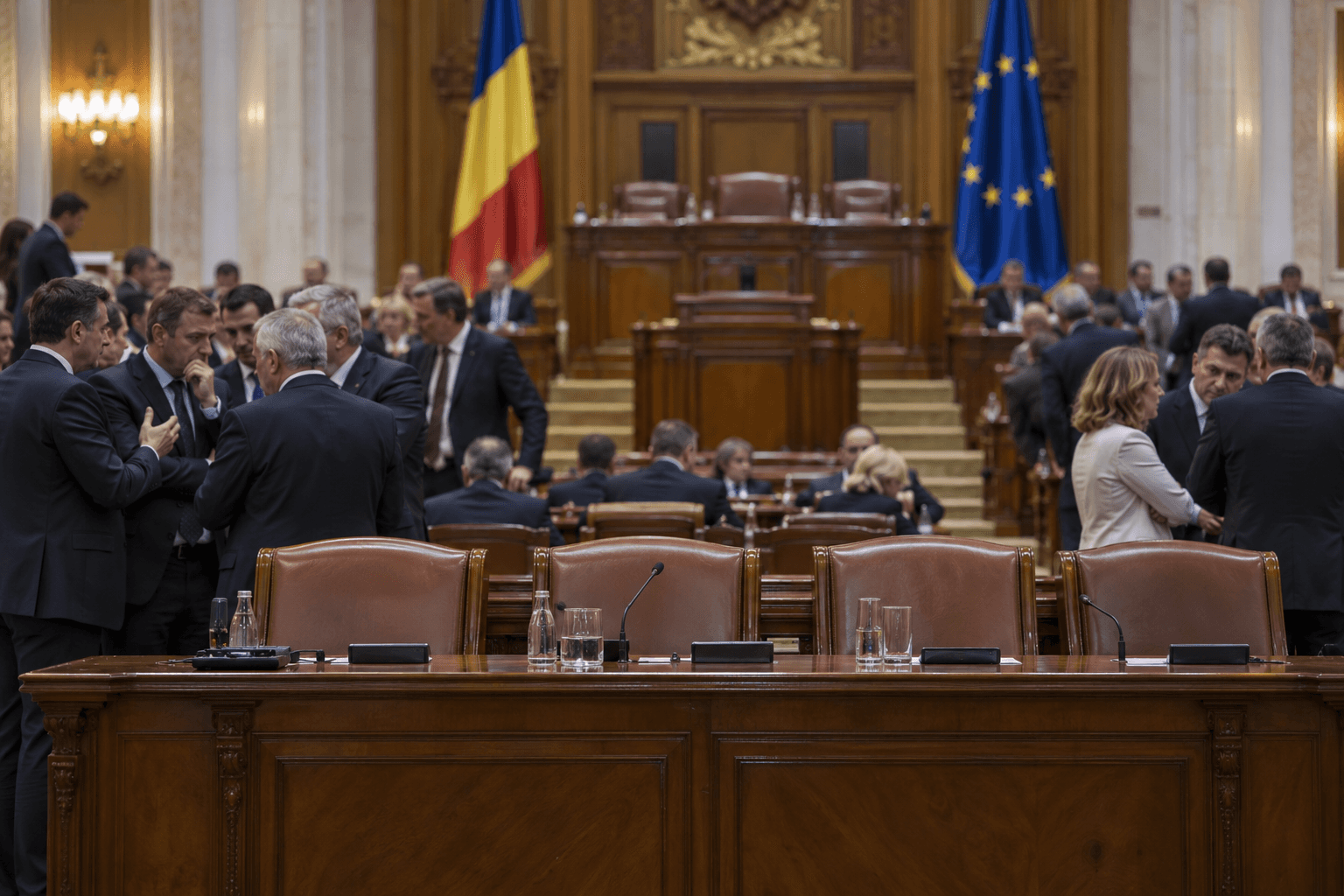
Control of the Senate can shape the federal legislative agenda and oversight. A Kalshi contract asks a narrower question: whether Democrats will win all five states in its combination. That is one possible outcome, not a verdict on who will control the chamber. The election is scheduled for November 3, 2026, and the state-by-state results remain uncertain.
Kalshi puts the five-state sweep at 40% as of 10:16 a.m. ET on Sept. 30. But the price comes with an important limitation: the contract had 0 contracts traded over the last day and 400 contracts open. Those figures do not make the displayed probability a sturdy measure of the sweep’s prospects. They describe a market with no reported trading over the last day, and a price should be treated as what traders currently believe—not an objective probability or a forecast. The combination asks whether Democrats win every state in the listed group; it does not say what happens in other races or resolve the larger question of chamber control.
The available state-combination prices offer little more clarity. Ohio alone is listed at 68%, but its reported activity was 10 contracts traded over the last day with 10 contracts open. The other combinations shown are priced at 10%, 6% and 6%; each had no reported trading over the last day and no contracts open. These are different combinations of states, not a complete set of individual state forecasts. The sparse activity makes it hard to use them to compare the underlying races, and the displayed figures should not be mistaken for a well-supported ranking. In particular, the prices for combinations that have no contracts open offer little basis for drawing conclusions about which states are driving the sweep question.
There is a case against reading the map as a foregone conclusion. The supplied election coverage describes the Senate map as challenging for Democrats, who must flip seats while defending vulnerable ones. It also reports improving Democratic chances to flip the Senate, pointing to competitive campaigns in several states and the political climate. That broader context suggests a contest with competing signals; it does not show that Democrats will win every state in this contract. Nor does a sweep of these five states, on its own, establish which party would control the Senate. The market’s question and the election’s institutional stakes overlap, but they are not interchangeable: a result in this particular group cannot stand in for every contest relevant to control.
The useful question is therefore not whether one thinly traded combination price can settle the Senate outlook. It cannot. The contract records a narrow uncertainty, while the public consequence lies in the chamber’s control and the races that determine it. The supplied prices show how little trading supports most of the combinations on offer; the sourced election context points both to a difficult map and to improving prospects. Until there is stronger evidence about the individual contests, the sweep remains just one uncertain scenario—not a reliable shorthand for the Senate fight. The evidence supports treating the outcome as open, rather than turning a handful of lightly traded combination prices into a conclusion about the election.