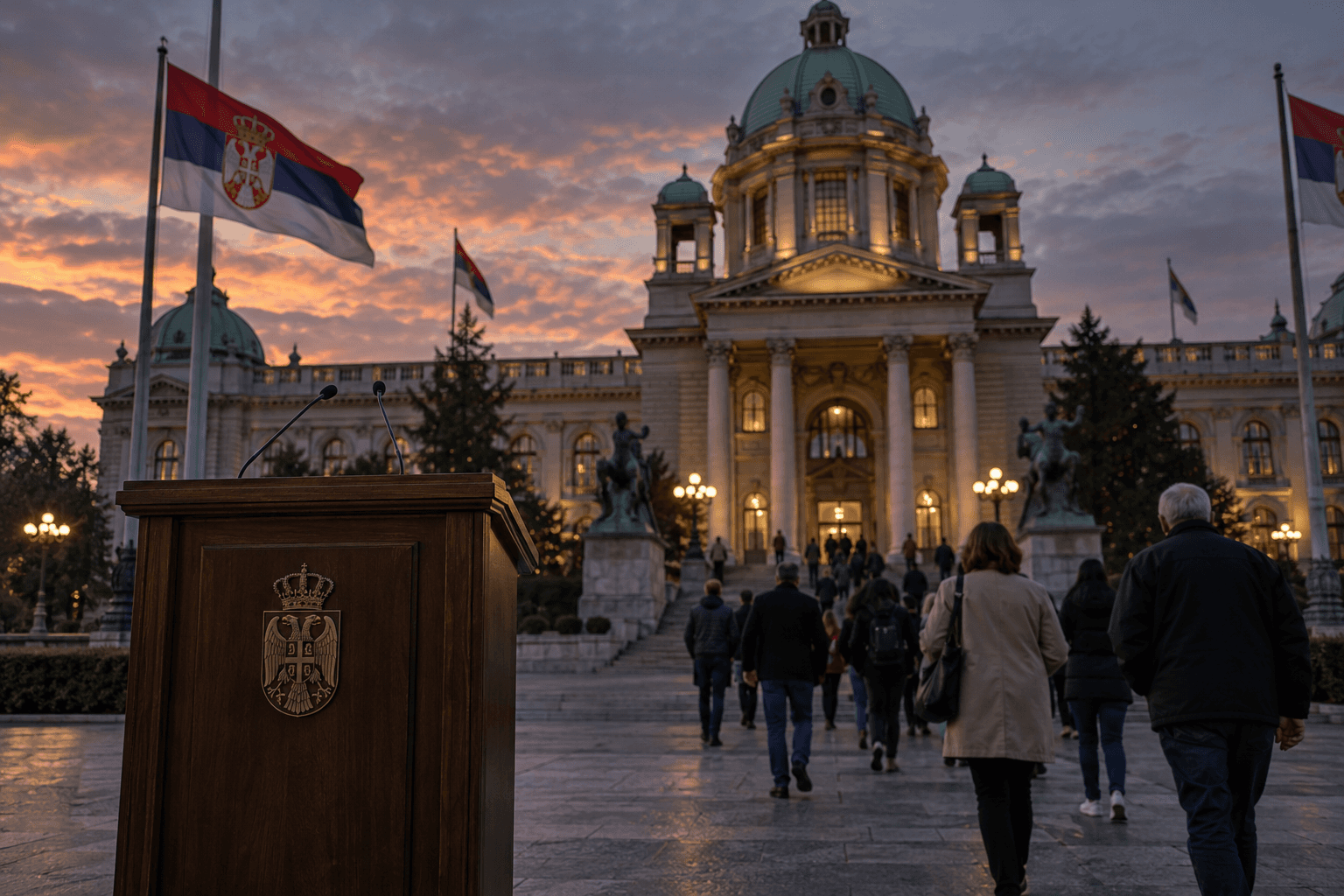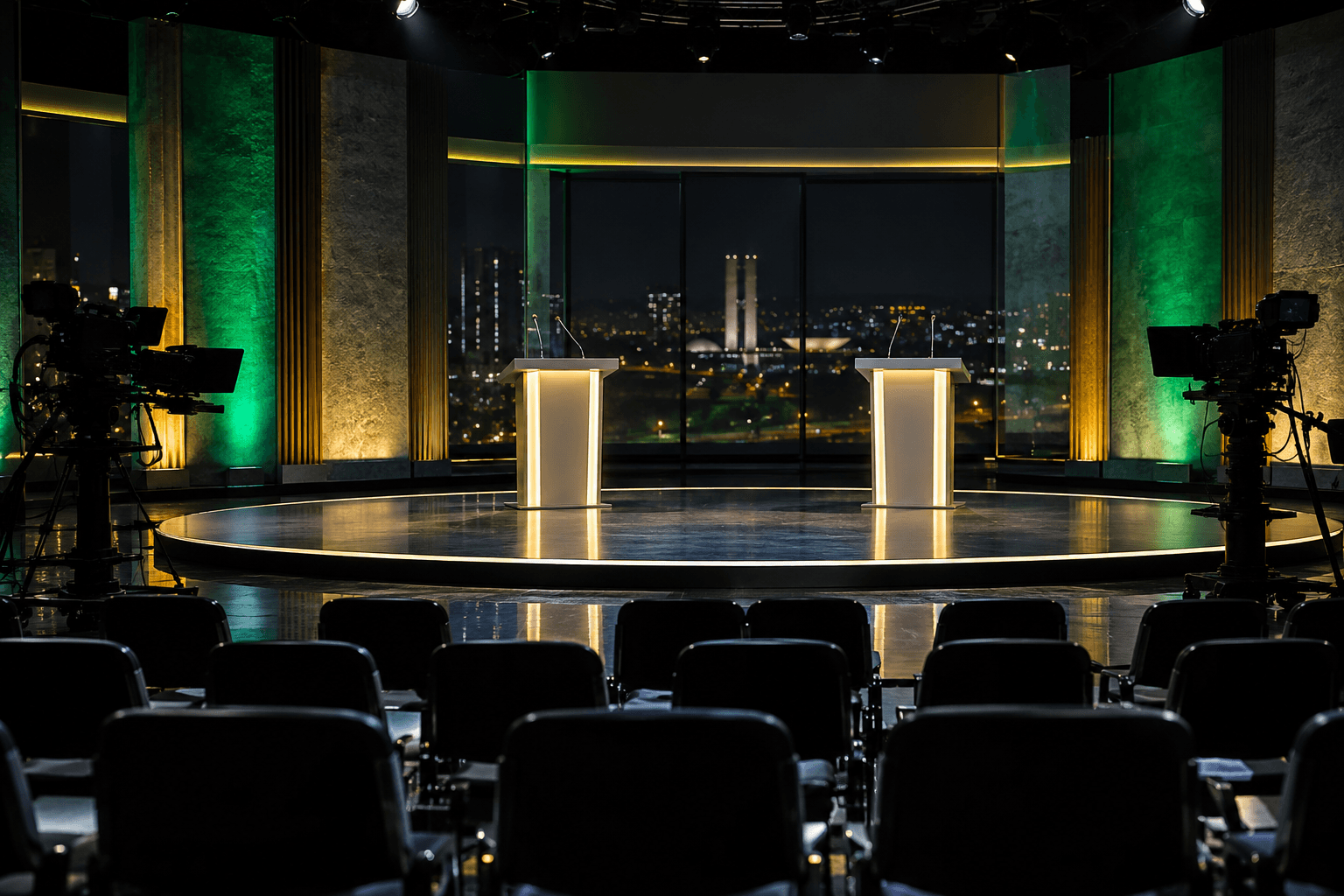
Brazil’s final presidential debate before Sunday’s first-round vote was canceled after President Luiz Inácio Lula da Silva and his leading challenger, Senator Flávio Bolsonaro, both declined to appear. TV Globo had scheduled the event as the last major broadcast encounter of the campaign, but the network called it off on Thursday night after Bolsonaro withdrew only hours before airtime. Lula had already said he would not attend. The cancellation denied roughly 158 million eligible voters what had been their clearest remaining chance to compare the two front-runners on the same stage.
The collapse followed a rapid series of legal and campaign decisions. Brazil’s Superior Electoral Court barred Globo from displaying an empty podium for Lula or allowing rivals to direct questions at him in his absence. The Supreme Court separately required the broadcaster to invite Renan Santos, a candidate who had been excluded under Globo’s original criteria. Bolsonaro, who had previously confirmed his participation, then pulled out and accused the electoral court of interfering with the event. Globo said the late rulings created legal uncertainty and made the planned format unworkable.
The episode sharpened concerns about a campaign in which the two leading candidates have largely avoided direct confrontation. Brazilian coverage described this as the first presidential campaign in two decades in which the principal contenders rejected every public face-to-face meeting before the first round. Both instead made online appearances during the period reserved for the debate. Recent polling still places Lula and Bolsonaro well ahead of the rest of the field, making a runoff on October 25 a realistic possibility if neither secures an outright first-round victory.
Prediction-market traders treated the cancellation as decisive for the narrow question of whether Bolsonaro would debate before the first round. The relevant Polymarket price fell to about two percent, a one-day decline of roughly ninety-eight percentage points, after his withdrawal and Globo’s announcement. The contract had generated about $66,800 in total activity, including more than $19,000 during the preceding day. Those prices reflect expectations about whether an appearance can still occur before the deadline; they do not measure voter support or predict the election result.
The campaigns now enter the final weekend with fewer opportunities for unscripted scrutiny. Lula and Bolsonaro can still reach voters through rallies, interviews, advertising and online broadcasts, but none offers the same side-by-side test that Globo had planned. The court disputes are also likely to remain part of each campaign’s closing message: Lula’s allies defended the ruling against an empty podium as a protection of political rights, while Bolsonaro portrayed it as judicial censorship. The immediate question is whether either candidate can win on Sunday or whether Brazil will move into a three-week runoff campaign, when renewed pressure for a direct debate would be difficult for both camps to avoid.