An executive declaration of a national emergency over an election could raise consequential questions about federal power and election administration. But the specific action at issue remains distinct from political criticism or an investigation. Kalshi traders put the chance of Donald Trump issuing such an executive action before the year’s end at 4%, as of 12:55 p.m. ET on Nov. 16. The price was down 6 points in the last day and down 4 points over the week. That is a market reading of the stated question, not evidence that a declaration has been made or announced.
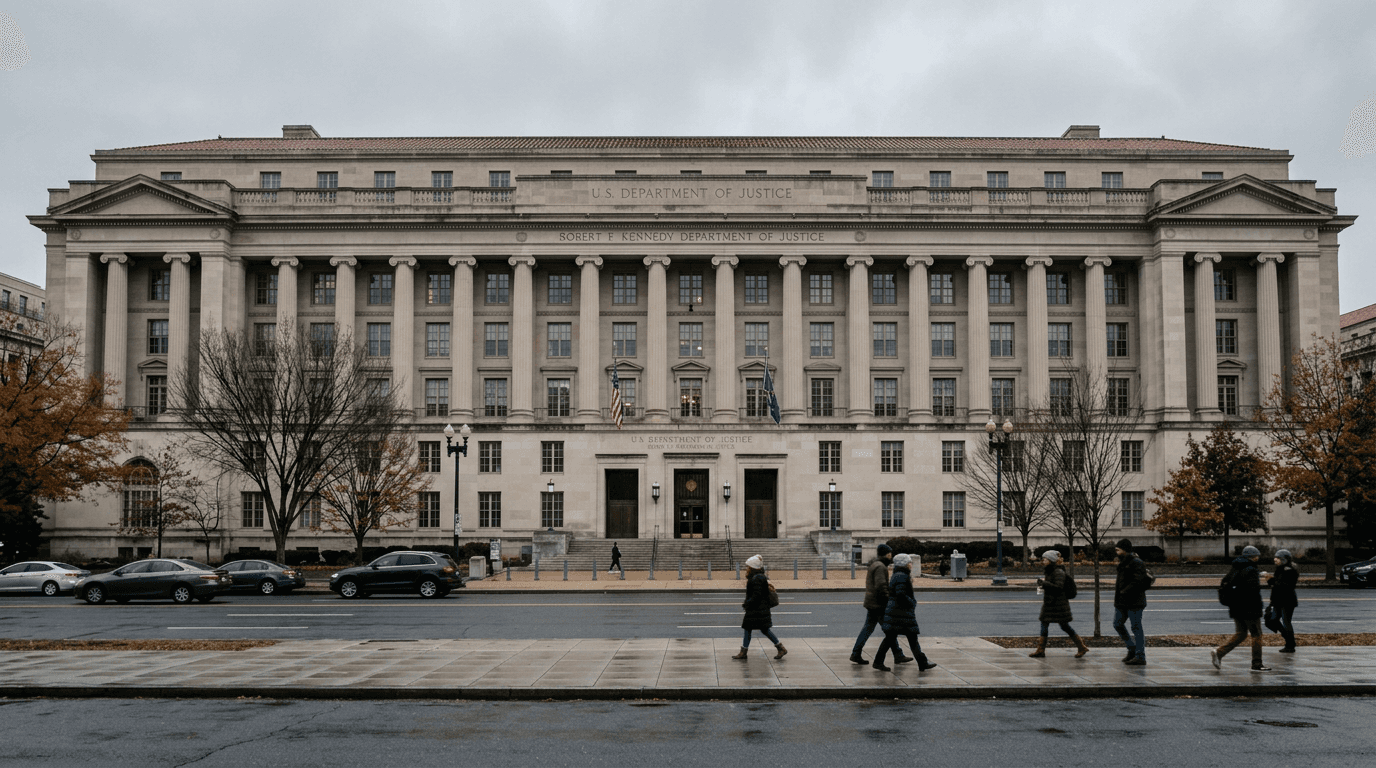
ABC News reported that Democrats won key races and projected they would take control of the Senate and House. Trump criticized the results and blamed them for a stock-market loss, according to the outlet. The report also said he directed the Justice Department to investigate alleged threats by Democratic leaders. ABC News said he provided no evidence for the allegation. These are consequential post-election developments, but they do not amount to the executive action described in the market question.
The distinction matters because a dispute over election results, a call for an investigation and a formal national emergency declaration are not interchangeable. The market asks whether Trump will issue an executive action declaring an emergency regarding the midterm election before its stated cutoff. Rhetoric or an investigative directive, without that specific action, does not resolve the question. ABC News also reported that Trump did not specify what letters he meant or explain how they would constitute a crime. The outlet’s account of the criticism and directive therefore documents what Trump said and did, not a declared emergency or a stated plan to make one.
The price remains low, but it should not be mistaken for proof that the possibility is settled. Traders have marked the contract down over both the last day and the week, while the reported events concern criticism and a Justice Department directive. The market does not explain why its price changed, and the reporting does not establish that those events prompted the move. Nor does the contract’s price answer what any proposed emergency action would mean for election administration or the limits of presidential power. Those questions would require a specific proposal and reliable legal and election sources.
The central uncertainty is whether Trump will take the precise executive action before the contract’s cutoff. The available reporting describes post-election criticism and a directive to investigate, but does not document a declaration or an announced plan to declare one. Kalshi recorded 30,366 contracts traded over the last day and 298,253 contracts open; those figures describe trading activity, not support for a declaration among voters or officials. Until the question is answered by an actual action or a clear announcement, the market remains a measure of traders’ current belief about an unresolved possibility—not a substitute for evidence about what the administration will do.