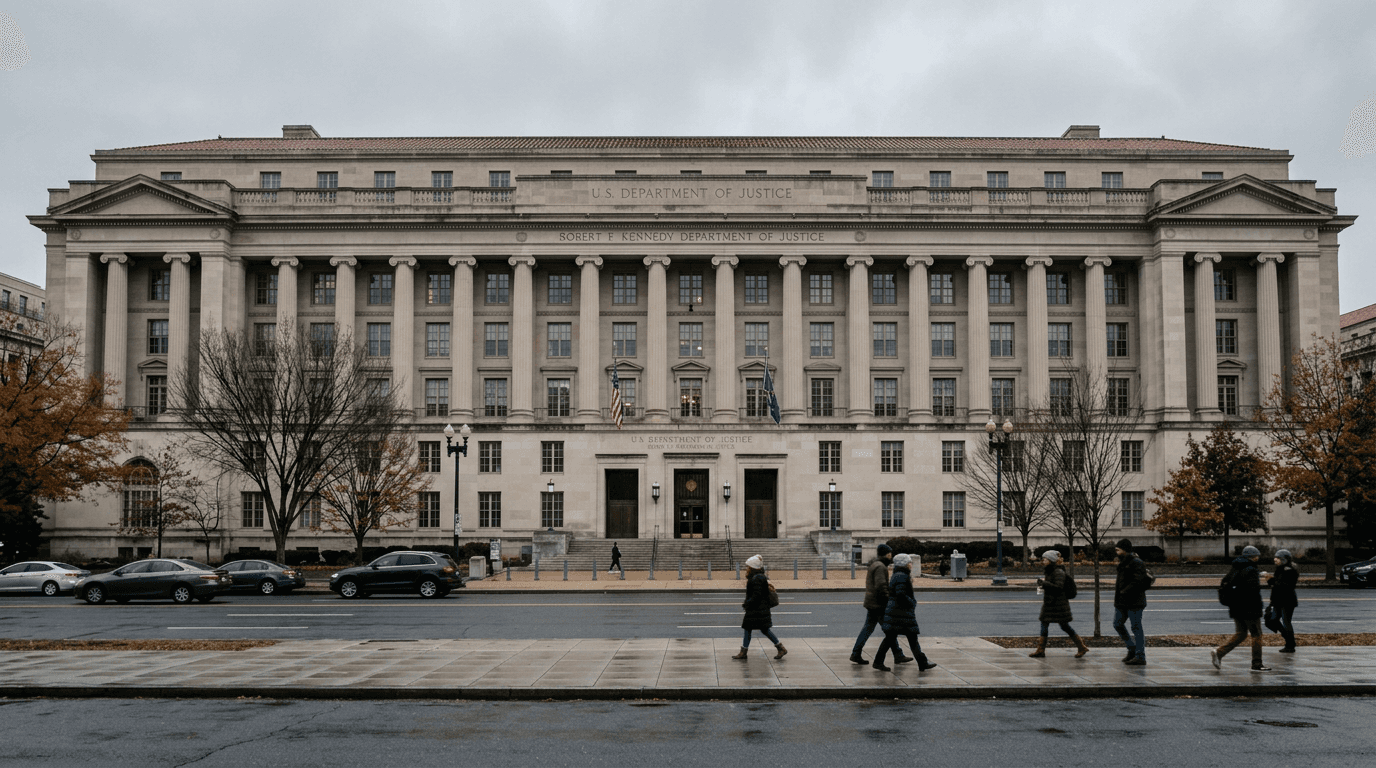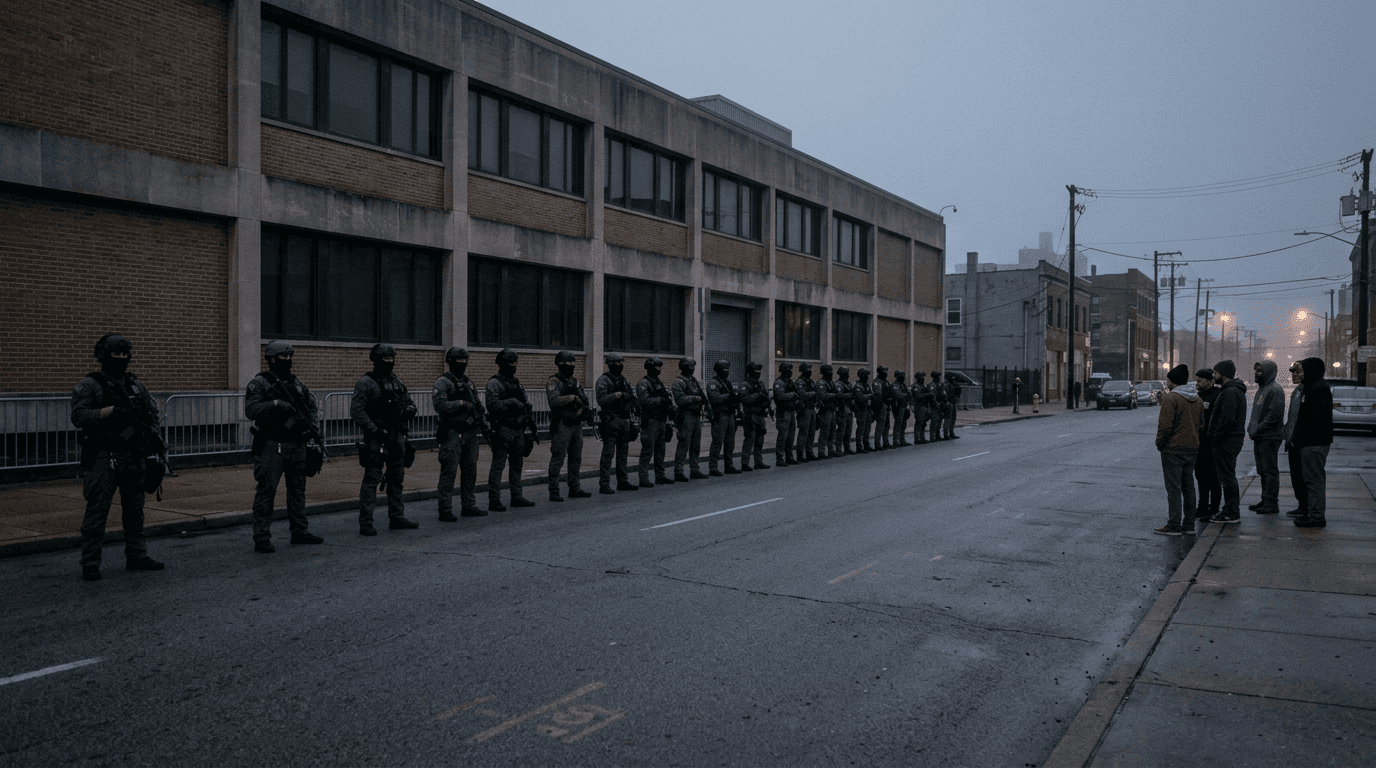
The question of whether President Donald Trump will invoke the Insurrection Act is about who can use military force inside the United States, and under what limits. The law is a rarely used exception to the general rule against using federal troops for domestic law enforcement. Kalshi traders put invocation before the start of next year at 5% as of 12:01 p.m. ET on Nov. 16. That price is evidence of what traders currently believe, not a settled answer about what the president will do.
The law has more than one route to invocation. The ACLU describes three provisions: one requires a state request, while two do not. It says the last invocation without a governor’s consent was more than 60 years ago. That history gives the question significance, but it does not determine how a future president or court would interpret the statute. Nor does a market price settle which provision, if any, a president might rely on.
The legal dispute is not only about whether the president can invoke the Act, but how much room courts would give the executive to decide that its conditions are met. A legal analysis argues that statutory history supports judicial deference for only one of the Act’s triggers. The scope of that deference in a future case remains unsettled. The ACLU also says an invocation would not suspend constitutional protections, including rights to free speech and peaceful assembly. How those rights would apply to a particular deployment would depend on the circumstances and the legal response.
There are competing signals about Trump’s intentions. Reason reported that Trump appeared interested in an immigration compromise, while Stephen Miller had shown interest in invoking the Act. Support from an adviser, or a presidential threat, does not establish that invocation will follow; Miller serves at Trump’s direction, and the administration’s choices remain uncertain. The question is not simply whether the law is available, but whether political pressure leads Trump to use it and which statutory basis he would cite.
Kalshi’s longer time horizons show why the issue is not resolved by the near-term price: traders put invocation before the start of the year after next at 19%, and before the start of the final year of Trump’s presidency at 33% as of 12:01 p.m. ET on Nov. 16. Those prices are not a single probability for the whole presidency, and the listed horizons do not explain what would prompt action. For readers, the stakes are the limits on presidential power, the use of federal forces in domestic law enforcement and the protection of civil liberties. Whether an immigration deal changes the pressure to invoke the Act, and how courts would assess any specific invocation, remain open questions.