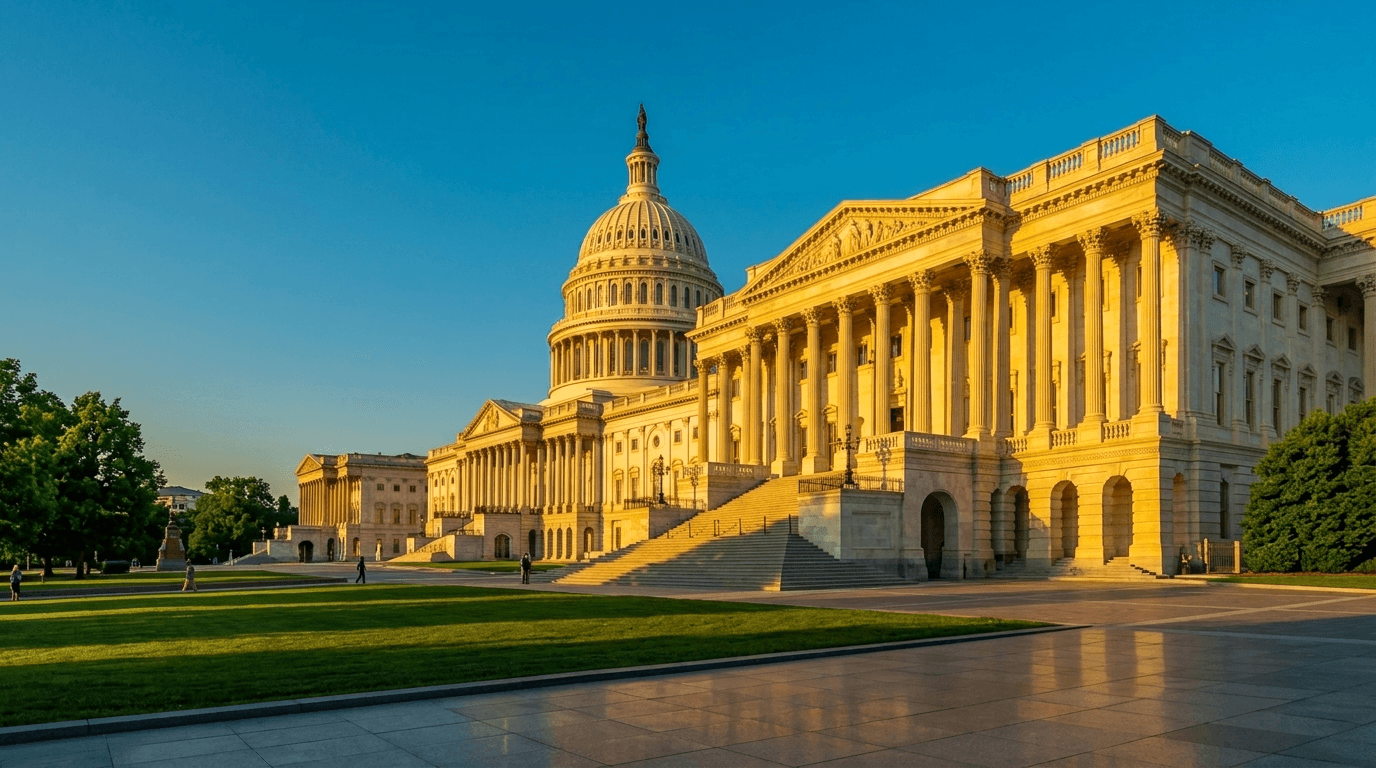
Prediction markets now assign a 30 percent probability that the Digital Asset Market Clarity Act will be signed into law by the end of 2026, down 6 percentage points in the past 24 hours as the Senate legislative calendar grows increasingly constrained. The market has drawn $170,675 in trading volume over the same period, reflecting continued uncertainty about the bill's path through a divided chamber facing an August recess and midterm election pressures.
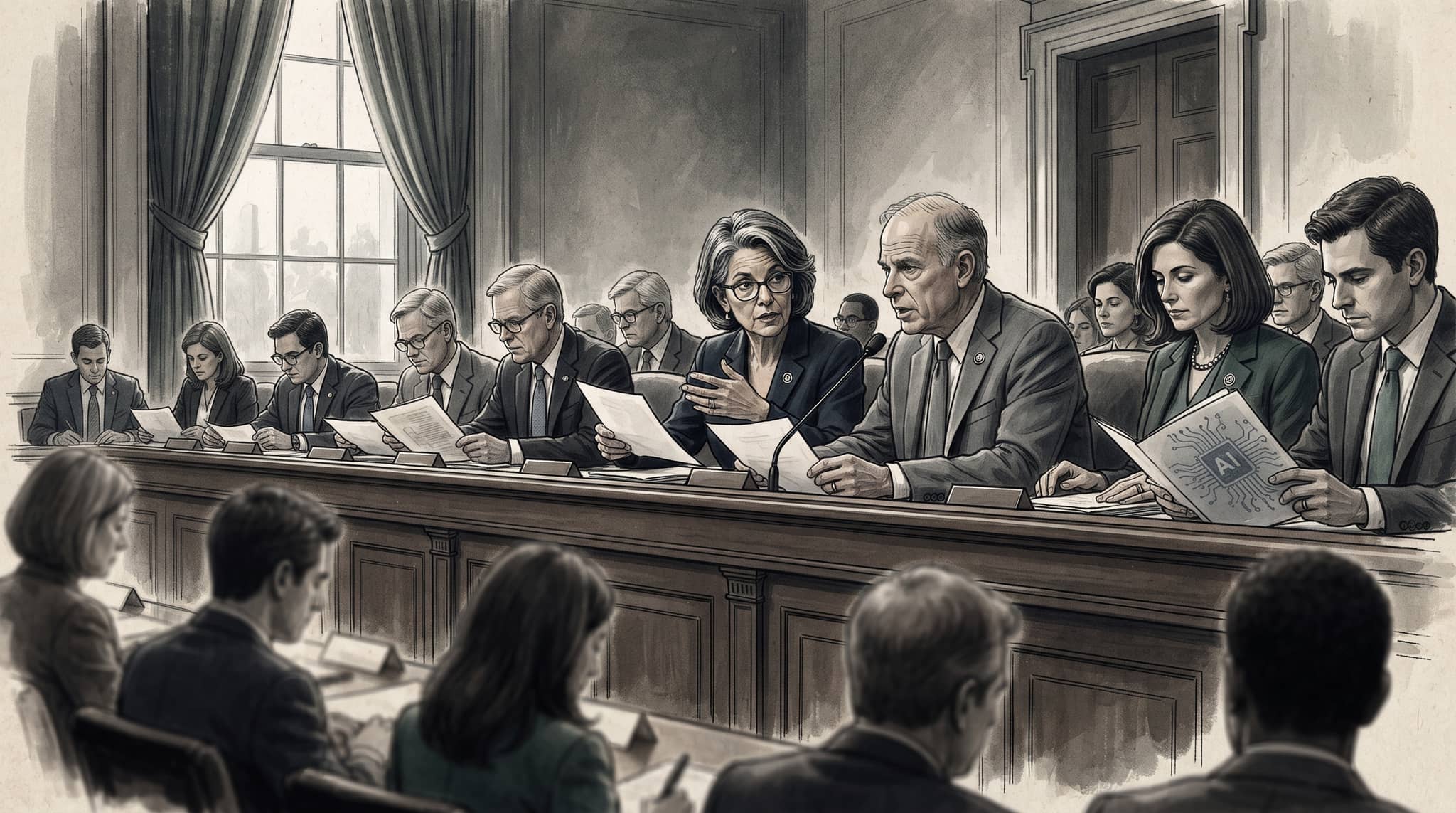
The Clarity Act passed the House of Representatives on July 17, 2025, by a vote of 294 to 134, then cleared the Senate Banking Committee on May 14, 2026, by a margin of 15 to 9. Despite these procedural victories, the bill has not yet been scheduled for a full Senate floor vote. Legislative analysts identify early August—specifically the window around August 7 to 10—as a practical deadline for Senate action before lawmakers depart for the summer recess. Missing that window would likely push consideration to mid-September or later, compressing the timeline in an election year and raising the risk that the bill dies in committee.
The legislation would grant the Commodity Futures Trading Commission exclusive jurisdiction over digital commodity spot markets while preserving Securities and Exchange Commission oversight of investment contract assets. It establishes registration, disclosure, and consumer-protection requirements for digital asset exchanges, brokers, dealers, and certain decentralized finance platforms, aiming to replace ad hoc enforcement actions with a comprehensive statutory framework. Proponents argue the bill would provide regulatory certainty for an industry that has operated in a legal gray zone for years.
Even if the Senate passes the Clarity Act, the bill must still be reconciled with the House version—a process complicated by overlapping provisions in other pending digital asset legislation, including the Digital Commodity Intermediaries Act. After reconciliation, the final text would require President Donald Trump's signature. The combination of procedural hurdles, calendar constraints, and the need for 60 votes in the Senate to overcome a filibuster explains why traders are pricing the bill's enactment at less than one in three, despite its bipartisan support and committee momentum.