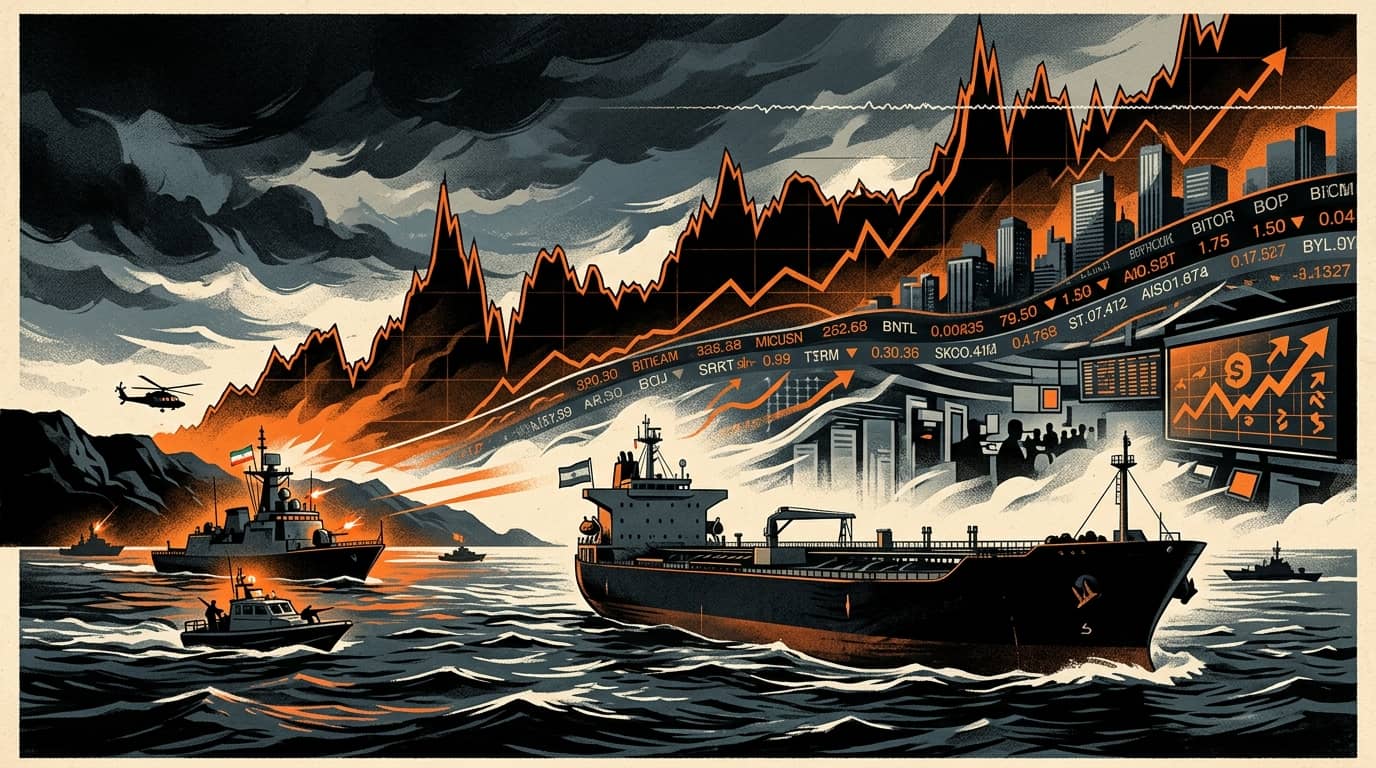
Iran's joint military command warned all oil tankers in the Strait of Hormuz must use approved routes or face a 'forceful response,' according to a July 3 report from The Star, citing the Associated Press. The warning escalates tensions in the strategic waterway through which about one-fifth of the world's petroleum passes, adding a layer of geopolitical risk to global markets.
The warning follows a fragile ceasefire in the broader Iran conflict and ongoing U.S.-Iran talks, but signals that Tehran is tightening control over shipping lanes amid continued regional instability. The Strait of Hormuz is a critical chokepoint for oil and liquefied natural gas transit, and any disruption could affect energy prices and broader risk sentiment.
Alongside the geopolitical news, a cooler-than-expected U.S. jobs report released this week has strengthened expectations that the Federal Reserve will hold interest rates steady. Market odds for a Fed rate hold have risen to 90.5%, according to secondary reports, as softer labor market data reduces pressure for further tightening.
Bitcoin has traded near the $62,000 threshold on July 3, with the geopolitical and monetary policy backdrop creating crosscurrents for the cryptocurrency. The token is sensitive to both macroeconomic signals and risk-on appetite, making the confluence of events a key focus for observers.
The Strait of Hormuz situation remains fluid, with the potential for further Iranian statements or actions that could move markets. The next major scheduled event is the release of official U.S. jobs data, which will provide further clarity on the labor market and the Fed's likely path.