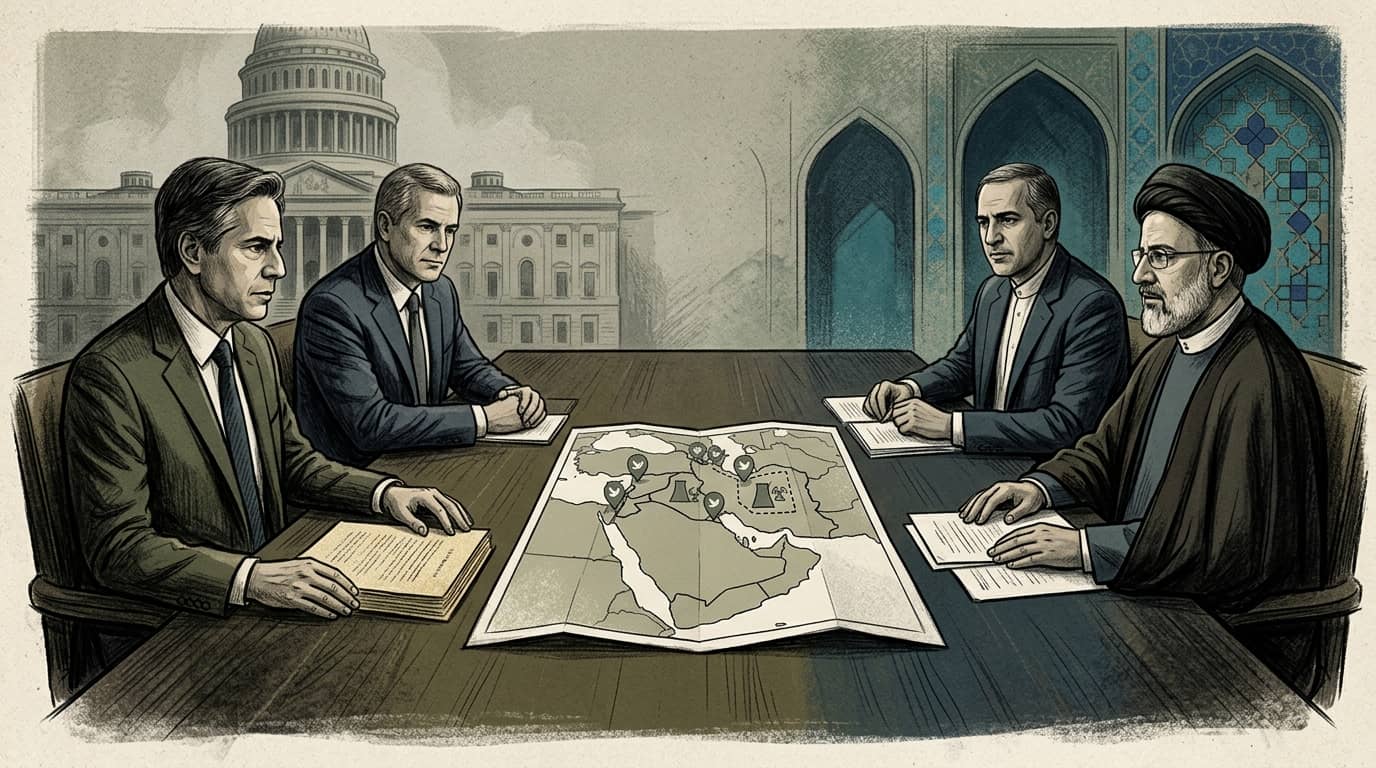
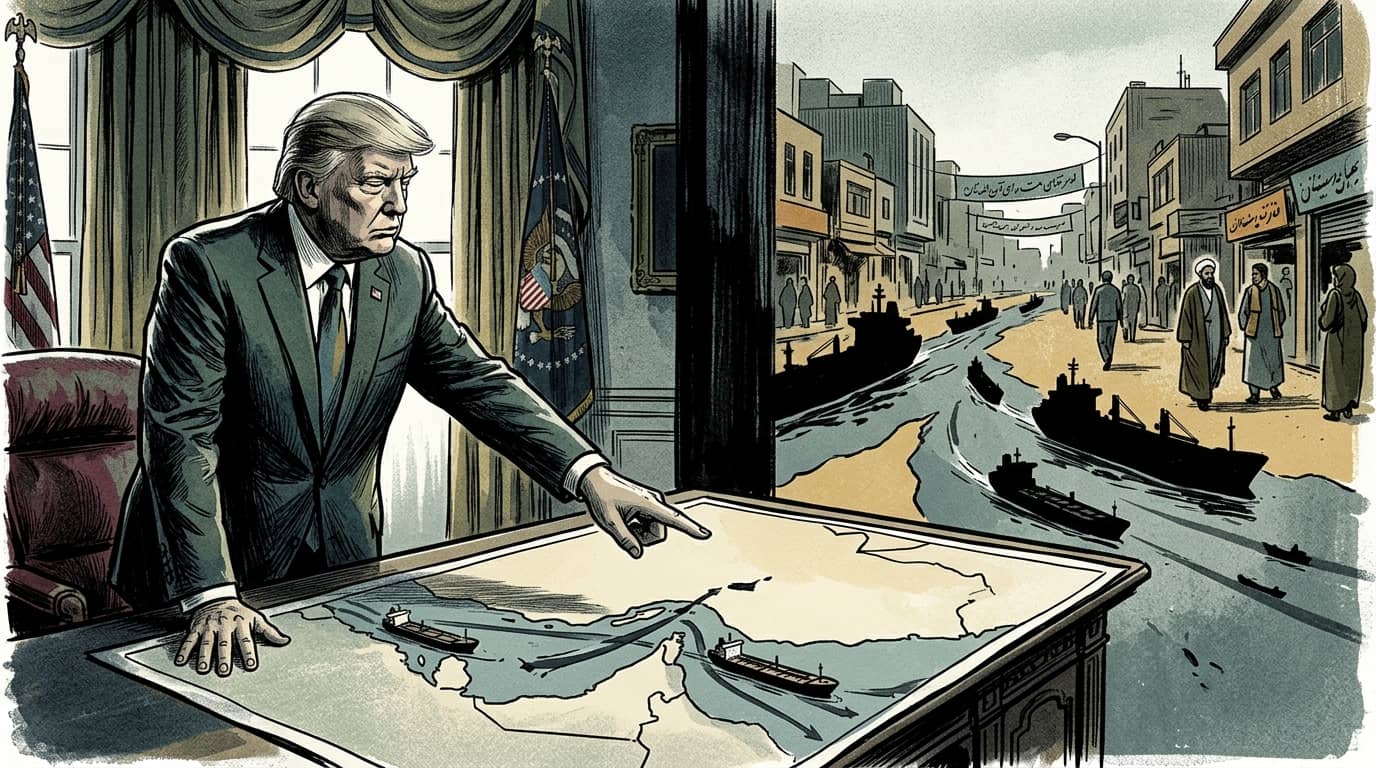
The United States and Iran launched new attacks against each other on July 9, even as mediators urged both sides to uphold the interim Memorandum of Understanding reached in June, Al Jazeera reported. The renewed military action threatens to undermine the diplomatic progress needed to restore normal shipping traffic through the Strait of Hormuz before the end of August.
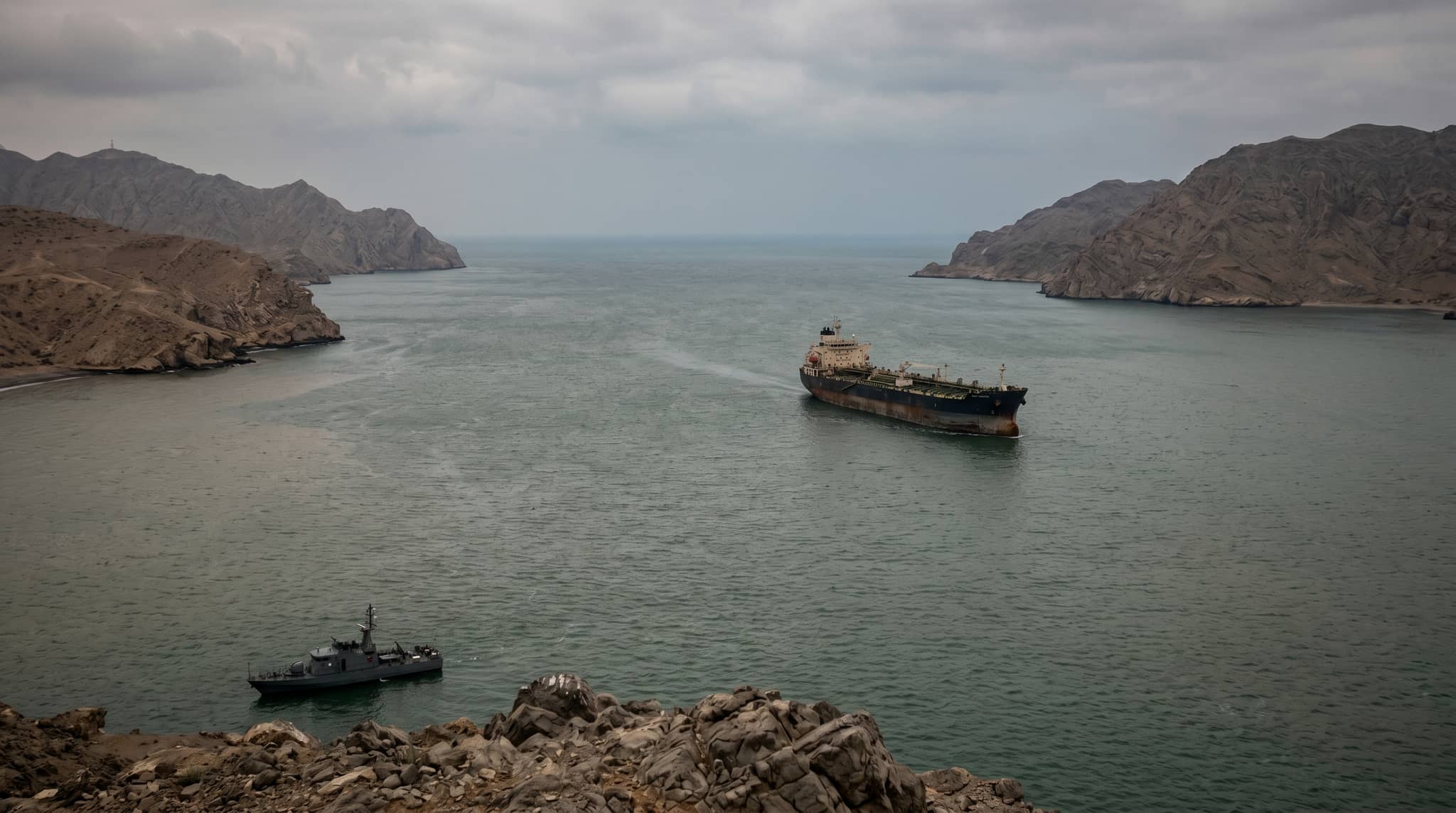
The Strait of Hormuz is a critical maritime chokepoint through which about one-fifth of the world's oil passes. The International Monetary Fund tracks daily transit calls for container, dry bulk, roll-on/roll-off, general cargo, and tanker ships through the strait via its Portwatch platform. This 7-day moving average of transit calls is the standard IMF metric for measuring traffic at key maritime chokepoints.
The prediction market resolution metric is the IMF Portwatch 7-day moving average of transit calls. For a 'Yes' resolution, the average must be equal to or above 60. Current data shows the average has fluctuated well below that threshold amid ongoing attacks and shipper caution over transit fees and route control.
The June interim deal had raised hopes for a diplomatic off-ramp, but the July 9 attacks suggest the underlying tensions remain unresolved. Mediators are pushing both sides to return to the framework of the Memorandum of Understanding, but no new agreement has been announced. The Doha negotiations continue without a clear breakthrough.
The next measure to watch is the daily IMF Portwatch data, which will show whether the transit average begins climbing toward the 60-vessel threshold before the August 31 deadline. Each day of sustained attacks reduces the window for shippers to regain confidence and resume normal passage.