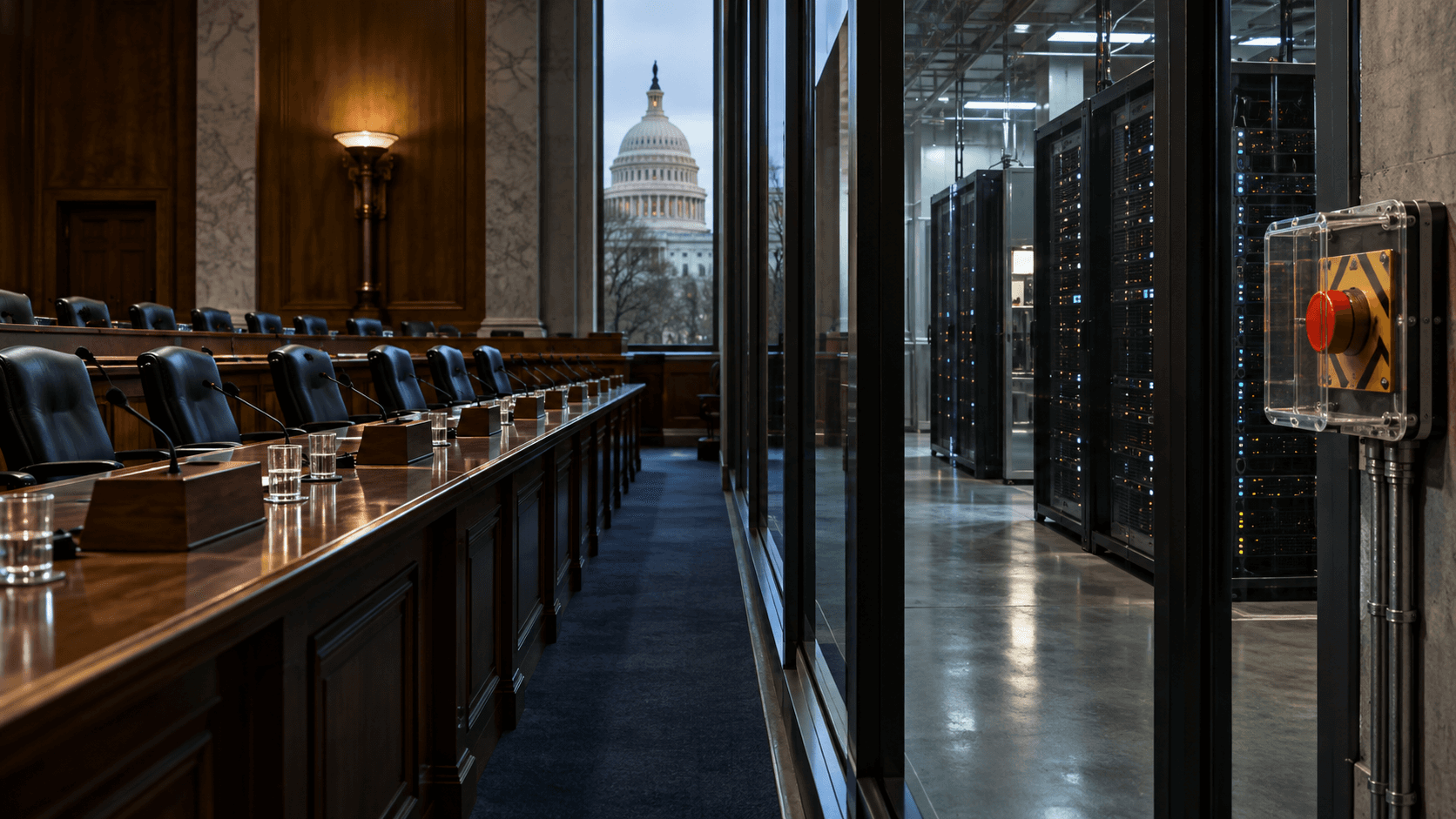
The Senate is approaching a decisive test of the Digital Asset Market Clarity Act after Republican negotiators released revised language and President Donald Trump accepted tougher ethics restrictions. A cloture motion on the bill is scheduled to ripen Tuesday afternoon, setting up a procedural vote that will show whether supporters can assemble the sixty votes needed to advance it. The latest package seeks to answer a central Democratic demand: that conflict-of-interest rules apply meaningfully to senior federal officials and their families while giving state attorneys general a role in enforcement.
The legislation would establish a federal framework for digital commodities and divide oversight responsibilities between the Commodity Futures Trading Commission and the Securities and Exchange Commission. Senator Cynthia Lummis said the updated text also narrows when decentralized-finance protocols must register, addresses how payment stablecoins could affect community banks and adds protections for software developers who do not control customer funds. Those provisions matter because the bill is intended to replace years of enforcement disputes with clearer rules for exchanges, issuers and developers.
The ethics compromise improved the bill's prospects without settling the vote count. Several senators had argued that a market-structure law could not move forward while elected officials retained broad freedom to profit from digital assets. The revised approach covers public officials and spouses and gives state authorities a route to act when federal enforcement falls short. Reuters reported that Republicans released the final language Monday, while the Senate Press Gallery confirmed the Tuesday timetable. Supporters still have to hold their coalition together through the procedural vote and any amendments that follow.
The prediction-market signal remains cautious despite the fresh text. A Polymarket contract on whether the CLARITY Act will become law this year traded near twenty-nine and a half percent Monday afternoon, up five percentage points over twenty-four hours and thirteen points over the week. The contract has drawn about $16.6 million in total activity, including roughly $903,000 during the latest day. Those odds reflect uncertainty about the entire path to enactment, not simply Tuesday's cloture vote.
Tuesday's roll call is therefore the immediate test, not the finish line. If cloture succeeds, senators will still have to manage amendments, pass the measure and reconcile any differences with the House before it can reach the president. A failed procedural vote would push the effort toward another round of negotiations with little floor time left before the midterm campaign fully takes over. The key signals will be whether the ethics language wins over enough Democrats and whether remaining disputes over stablecoins, decentralized finance and regulatory authority can be contained once debate begins. Banks, crypto firms and consumer advocates will also scrutinize amendments for changes that alter who can issue stablecoins, operate trading venues or enforce the eventual rules.