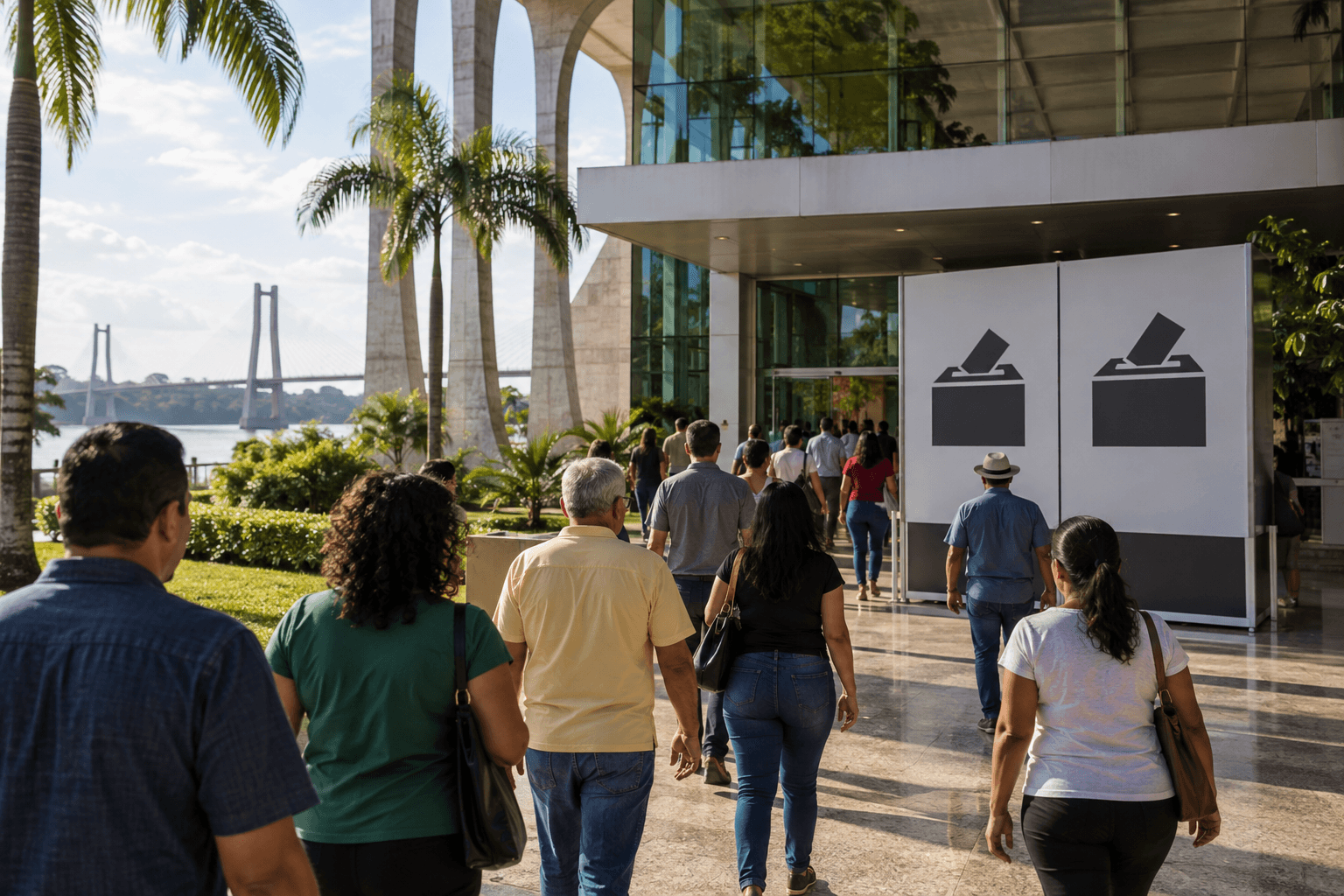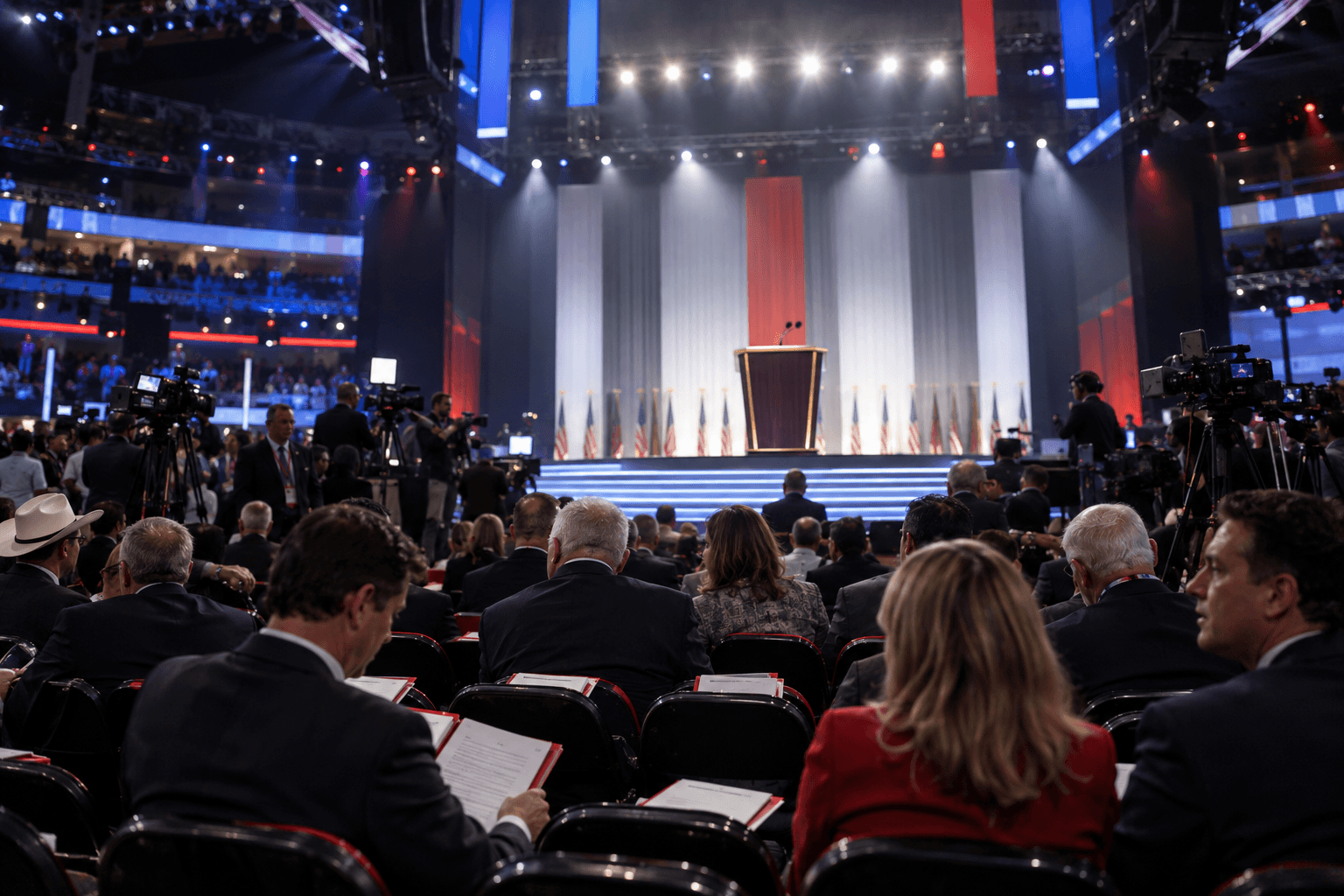
Sweden’s center-left opposition moved into the lead on election night Sunday, with exit polls indicating that former Prime Minister Magdalena Andersson may be positioned to return to office. Projections from public broadcaster SVT and commercial network TV4 put the four-party center-left bloc near 51% of the vote, ahead of the governing right at roughly 47%. Andersson’s Social Democrats were projected to remain the largest party, while the result threatened to end Prime Minister Ulf Kristersson’s four-year tenure. The figures were still exit polls rather than an official count, but they transformed a campaign that had tightened sharply in its final days into a credible path back to power for the opposition.
The election is about more than which party finishes first. Sweden’s 349-seat Riksdag is organized around two competing blocs, and the ability to assemble at least 175 seats will determine who governs. Kristersson’s Moderate-led coalition has depended on parliamentary support from the Sweden Democrats, a nationalist party that sought Cabinet posts if the right retained its majority. Andersson campaigned on stronger welfare provision and higher taxes on banks and top earners while largely accepting the tougher migration framework introduced under the outgoing government. The last election was decided by only three seats, with the right taking 176 to the center-left’s 173, so small shifts around the 4% parliamentary threshold can change the governing majority. A center-left victory would therefore change the governing coalition without necessarily reversing every major policy shift of the past four years.
Prediction markets reacted forcefully as the first election-night signals arrived. The Polymarket contract on Andersson becoming Sweden’s next prime minister rose about 23 percentage points over twenty-four hours to 89.5% by Sunday afternoon in New York, while the related contract on Kristersson fell to about 10.5%. Another family of contracts moved toward the Moderates, rather than the Sweden Democrats, finishing second in seats. Those prices reflect traders’ assessment of the emerging result and coalition arithmetic; they are not votes, official projections or a substitute for Sweden’s count.
The next test is whether preliminary returns confirm the exit-poll advantage. Sweden’s Election Authority said the first preliminary figures would appear as districts reported after polls closed at 8 p.m. local time, with a preliminary seat distribution due during the evening. Late-arriving advance ballots are counted later, and the final national result is not expected until the following weekend. Every ballot is checked in both preliminary and final counts, leaving room for close seat allocations to change as late votes are incorporated. Even if the center-left majority survives the count, Andersson will still need four parties with different priorities to cooperate on a governing program. Sunday’s polls put her in the strongest position, but the formal count and coalition negotiations will decide whether that opening becomes a durable government.