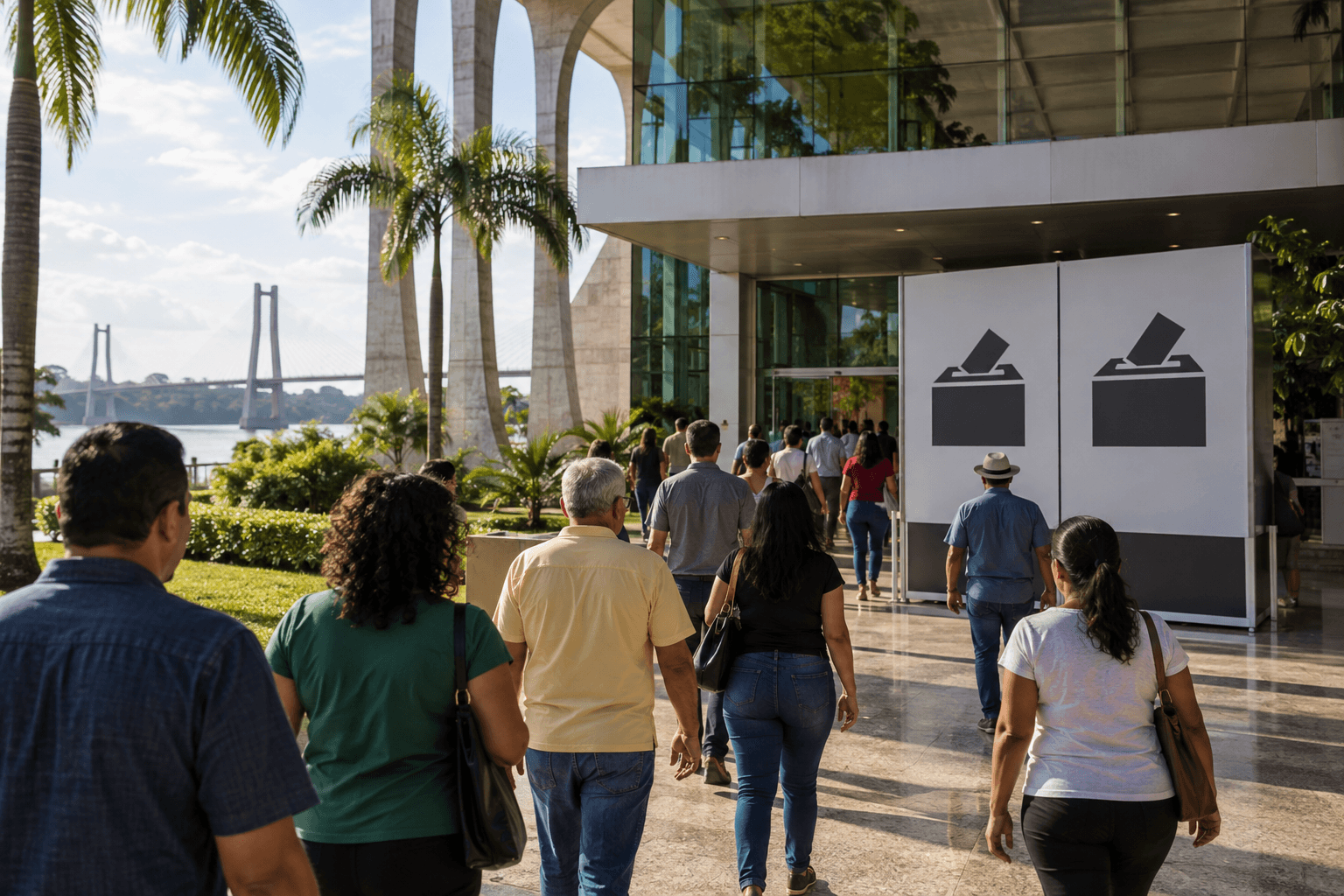
SÃlvia Cristina has moved to the front of Rondônia’s Senate contest less than a month before Brazil’s October 4 election, reshaping a race in which two candidates will win eight-year terms. A new Instituto Phoenix survey placed the federal deputy first on its combined measure, giving her a 6.2-point advantage over the next candidate. Acir Gurgacz appeared in second, while Fernando Máximo ranked third. The result is consequential because Rondônia voters can select two different Senate candidates, so the campaign is not a conventional winner-take-all race: candidates must build enough breadth to finish in either of the top two positions. Two-thirds of Brazil’s Senate seats are being renewed this year, magnifying the national importance of races in smaller states.
Reports on the Phoenix survey put Cristina at 28.6% when first- and second-choice responses were combined. One account also showed her drawing 34.8% as voters’ first Senate choice and 13% as their second. Máximo was reported at 18.1% on the combined measure, while Gurgacz’s recent rise placed him between the two. The poll offers a snapshot rather than a settled order, but it suggests Cristina has assembled the clearest statewide coalition at this stage. It also shifts attention toward the fight for the other seat, where smaller changes in preference could determine who joins her in BrasÃlia.
The market reaction captures that distinction. A Polymarket contract asking whether Cristina will finish with the second-most votes traded near 20.5% on Sunday morning, down about 21.5 percentage points in 24 hours. That decline should not be read as a collapse in her chances of election. Because the two highest finishers both win, a lower probability of finishing exactly second can reflect a higher perceived chance of finishing first. The related event recorded about $30,400 in total activity, with roughly $3,600 during the latest day, making the price a useful but limited signal alongside conventional polling.
The final weeks will test whether Cristina can preserve first-place momentum while Gurgacz and Máximo compete for the remaining lane. Campaign organization matters greatly in a geographically large state where media reach and travel can shape name recognition outside Porto Velho. Voters will record separate first and second Senate choices, and duplicate votes for the same candidate are not allowed, creating incentives for campaigns to seek informal pairings and complementary voter blocs. That unusual ballot structure can produce split-ticket behavior that a single headline number does not fully capture. Fresh polling, candidate-registration rulings and the final television push could still alter the order before election day. For now, the clearest change is that Cristina is being measured less as a contender for the second seat than as the candidate the rest of the field must catch.