Prediction markets currently assign a 39.5% probability to SpaceX ending 2026 with the highest IPO market cap among all companies that went public this year. The implied odds have fallen 21.5 percentage points in the past 24 hours, even though SpaceX already completed what Reuters called a record-setting initial public offering in June.
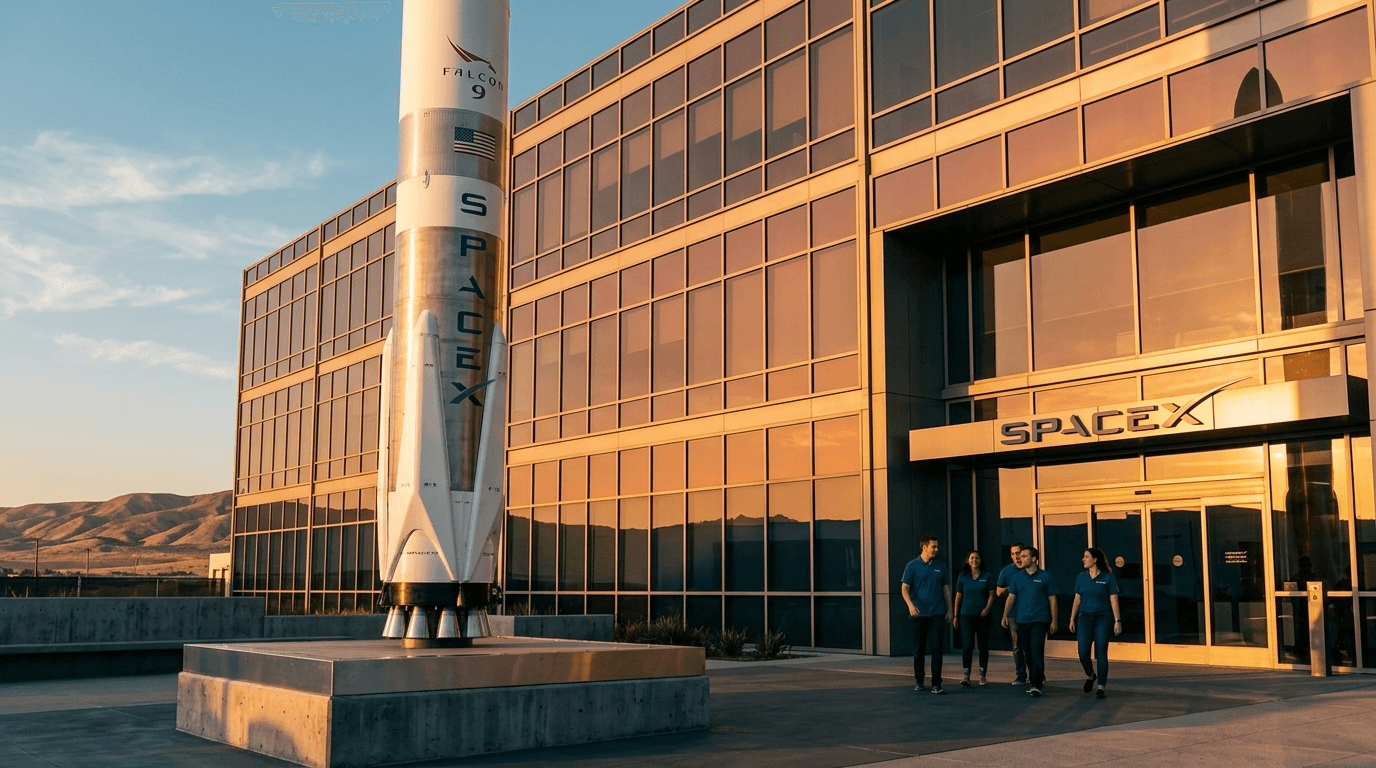
SpaceX priced its IPO on June 11 at $135 per share, raising approximately $75 billion and valuing the company at roughly $1.77 trillion. On its first trading day, shares closed at $160.95, lifting the market capitalization to about $2.1 trillion, according to CNBC. By June 16, Reuters reported that SpaceX's market value had risen to roughly $2.655 trillion, briefly surpassing Amazon and even topping Microsoft intraday. The offering consisted entirely of new shares, and the company had targeted a $1.75 trillion valuation before pricing, as reported by Reuters in early June.
The market's skepticism appears to stem from two factors. First, the question may be interpreted as asking which 2026 IPO will have the highest market cap at year-end, not at its peak. SpaceX's market cap has fluctuated since its debut, and any decline before Dec. 31 could open the door for a later listing. Second, while no known IPO candidate in the remainder of 2026 is expected to approach SpaceX's scale, the possibility of an unexpected mega-listing — perhaps from a large private technology company or a state-backed enterprise — cannot be ruled out entirely. The Financial Times reported in January that SpaceX had weighed a June IPO at a $1.5 trillion valuation, indicating the company's ambitions were long in the works.
The available reporting has not identified any specific rival that could surpass SpaceX's $2.1 trillion debut valuation. The main risk to the market question is the absence of a comparable mega-IPO rather than the presence of a direct competitor. As of late August, SpaceX remains the clear leader in 2026 IPO market cap, but the prediction market's 39.5% probability reflects uncertainty about whether that lead will hold through year-end. The market closes on Dec. 31, leaving four months for any challenger to emerge.