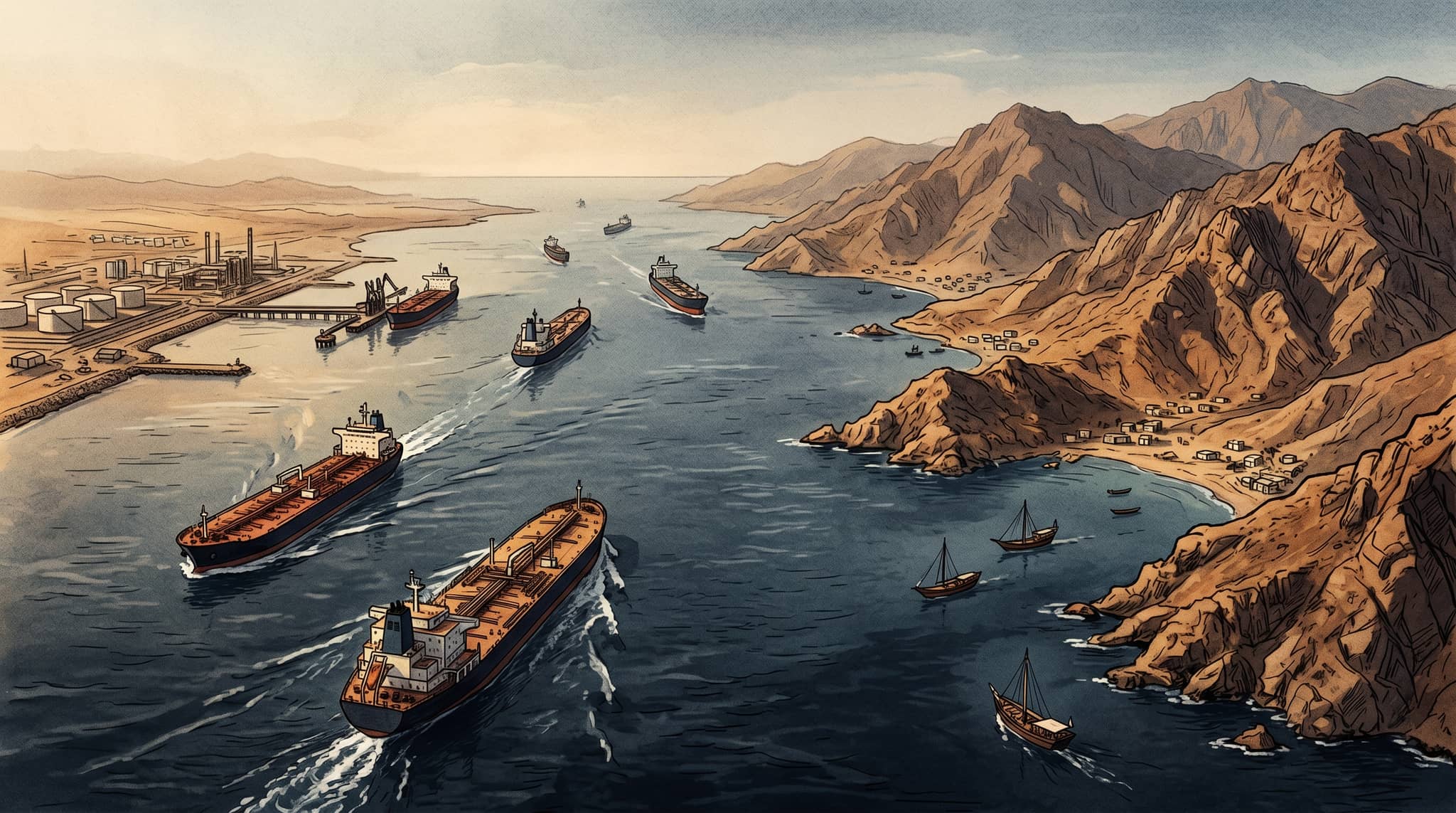
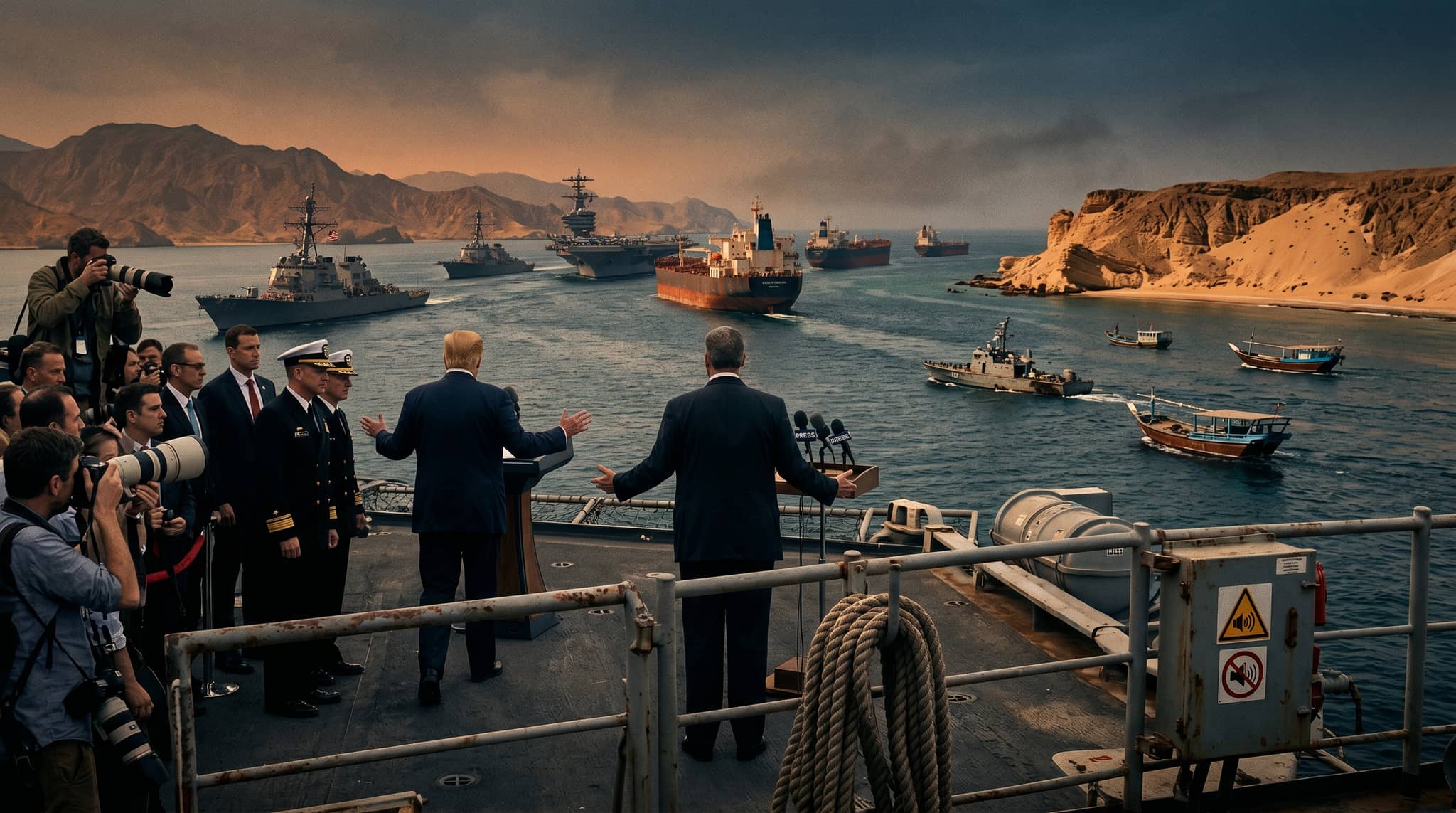
Commercial traffic through the Strait of Hormuz remains effectively halted more than three months after the start of hostilities. Data from maritime analytics firm Kpler showed just seven ships passed through the strait on May 29, a fraction of typical volumes, according to CNN. The chokepoint previously saw about 100 cargo ships and oil tankers per day.
Shipping companies have been forced to adopt alternative routes as the waterway stays shut. NPR reported that firms including Maersk are rerouting vessels around the Arabian Peninsula, adding weeks to transit times and raising costs for global oil and gas shipments.
U.S. defense officials have warned that mine clearance operations could take up to six months, according to Al Jazeera, pushing any full reopening of the strait deep into the second half of 2026. The assessment has dampened hopes for a near-term return to normal traffic levels.
The market resolution will rely on IMF Portwatch transit-call data for the Strait of Hormuz, which tracks the daily number of vessels passing through the chokepoint. No official IMF data for June 2026 has been published yet, creating uncertainty around when the metric will be updated.
No credible ceasefire or safe-passage agreement between the U.S. and Iran has been announced, leaving commercial shipping without the guarantees needed to resume normal operations through the strait.