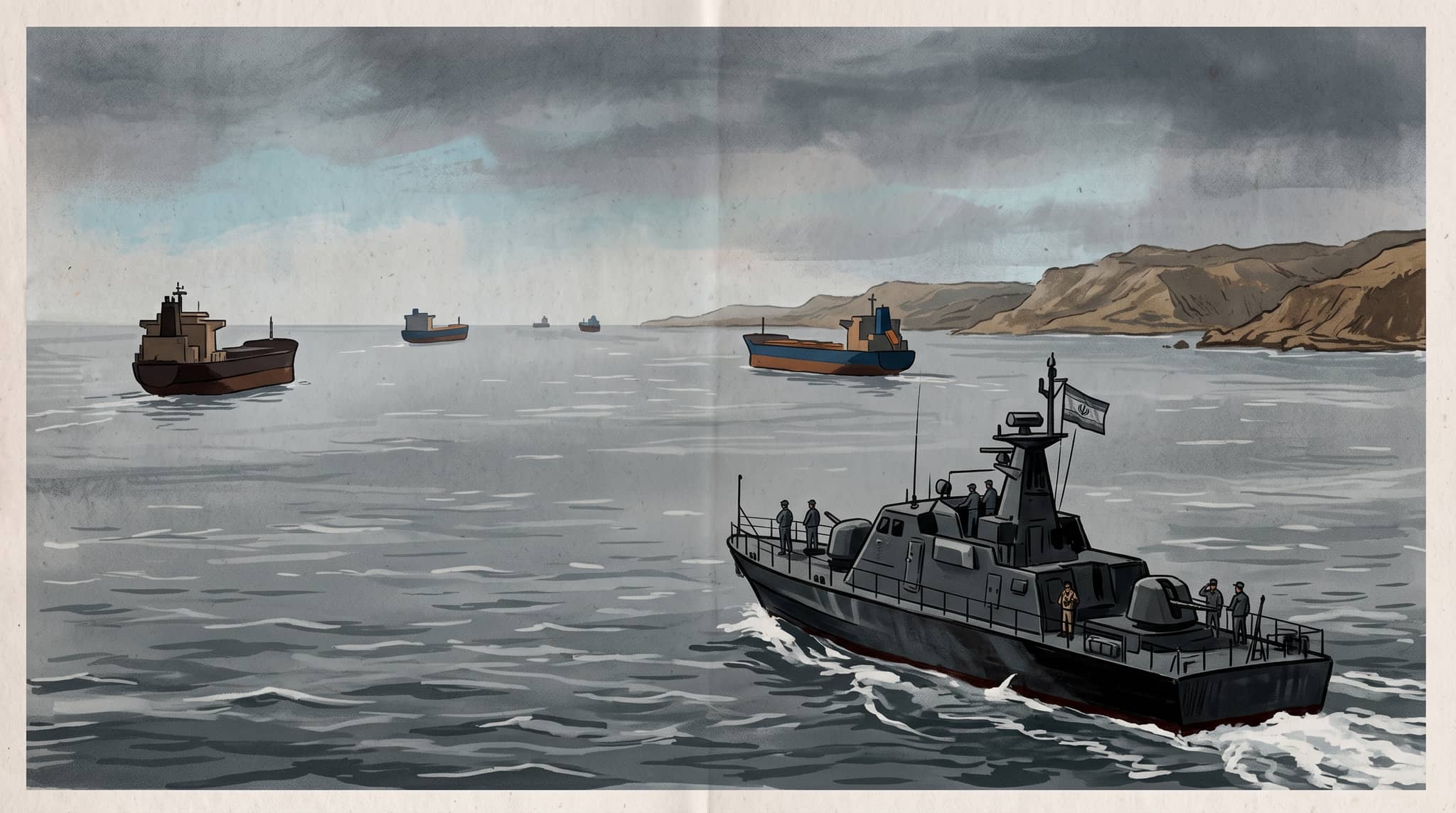
Ship traffic through the Strait of Hormuz remains near a three-month low, with Kpler data showing a five-day average of around 13 vessel transits on August 12, according to a CNBC analysis. That figure is roughly 90% below the prewar average of 130 ships per day that transited the waterway before the United States and Israel attacked Iran on February 28.
An interim US-Iran deal signed June 17 briefly raised crossings to a five-day average of about 60 on June 26 before the agreement collapsed over shipping routes left undefined in the text. Energy Secretary Chris Wright said Hormuz oil exports reached a seven-day average of nearly 9 million barrels per day, compared with about 20 million before the war.
Iran's top security official Mohsen Rezaei said the strait will remain closed until the US releases Iran's frozen assets and ends conflicts across the region, according to Lloyd's List Intelligence. US Central Command reported it had redirected 55 merchant ships, disabled three vessels, and boarded two under its blockade of Iranian ports. On August 13, two vessels operated by Abu Dhabi National Oil Company were attacked while transiting the strait; no injuries were reported and the situation was under control, ADNOC said.
A proposed Iran-Oman deal that would give Tehran control over ships entering the Gulf faces US sanctions and restrictive insurance-payment clauses, industry sources told Reuters. Weekly transit counts compiled by Lloyd's List Intelligence showed 78 transits during August 3-9, down from 95 the previous week, with non-Iranian-linked traffic falling to 45 from 63.
Independent tracking data indicates shipping through the strait will remain deeply suppressed without a diplomatic breakthrough addressing Tehran's stated conditions, which also include lifting the naval blockade, sanctions relief, troop withdrawals and war reparations.