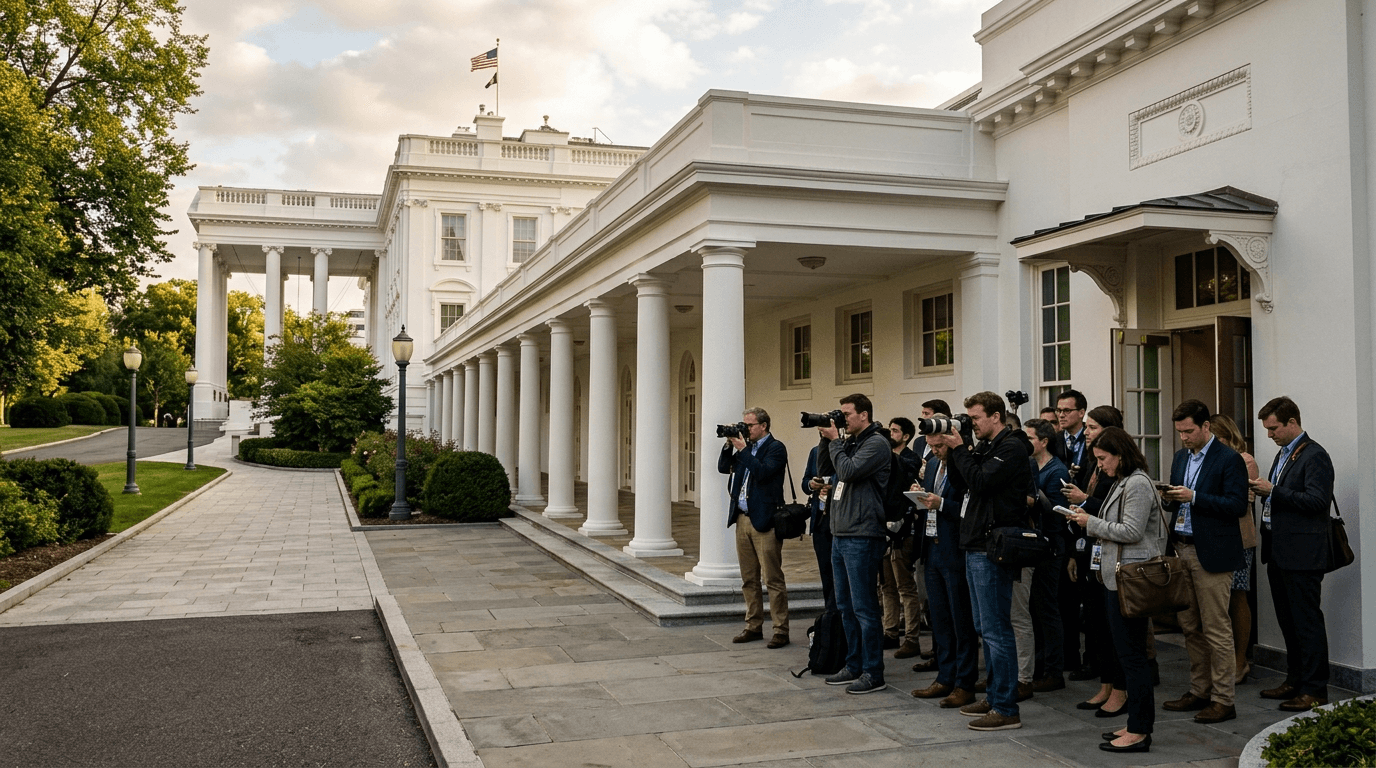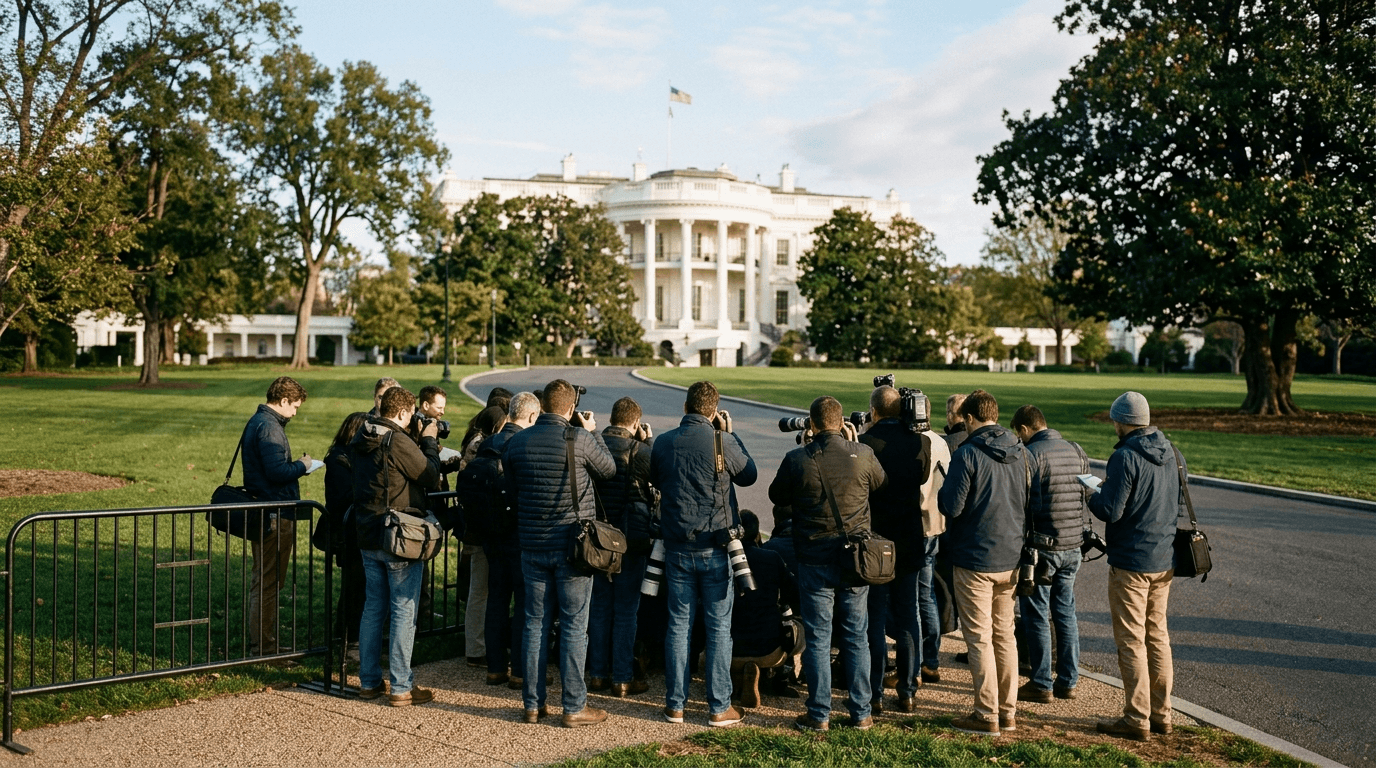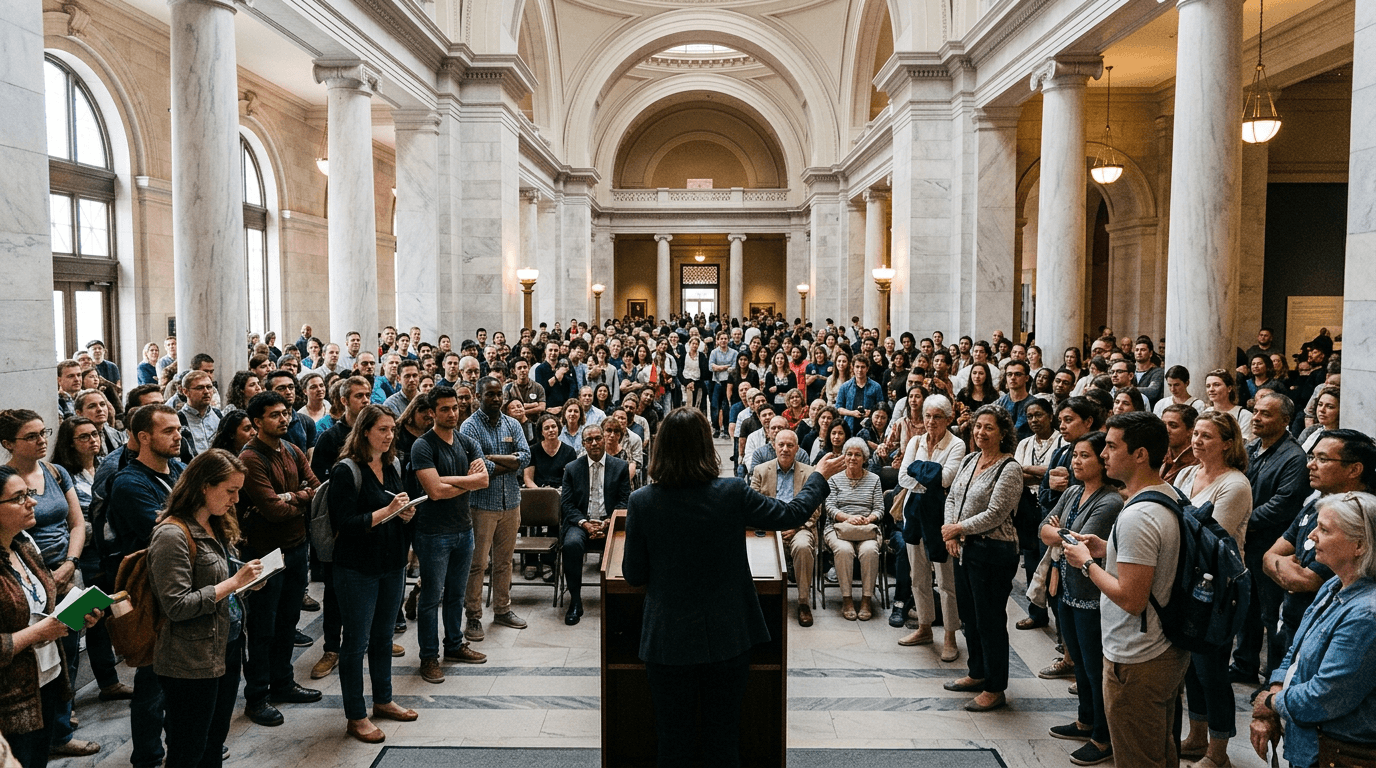
The dispute over the Smithsonian is about more than its exhibits. The institution is governed outside the executive branch but depends substantially on federal funding, according to Salon. That leaves a consequential question: will pressure from the Trump administration lead to additional federal action, and what might that mean for the museum’s ability to make curatorial decisions independently?
Kalshi traders currently put the chance of a substantive federal action arising from the pressure campaign before the market’s deadline at 25% as of 11:50 a.m. ET on Oct. 2. That is a measure of what traders believe, not an objective forecast. The contract asks whether the United States will agree to or announce such an action; it does not identify what action might qualify. The market has recorded 0 contracts traded over the last day, so the quoted probability should be read with that limited trading in mind. The price showed no movement over the past day or week. The market is one narrow lens on an unresolved political question, not evidence that a next step is planned.
There are already reported actions and competing interpretations. Trump’s order called for warning signs outside the National Museum of American History, but Salon reported that the signs had not been installed as of its report. A letter from Interior Secretary Doug Burgum described executive-branch intervention of this kind as potentially unprecedented, according to the Boston Globe. The administration says it seeks a history that unites Americans and is honest and proud; critics warn that political direction threatens independent scholarship. Salon also reported that disputes over the museum’s narrative and complaints from board members predated Trump’s return to office, a reminder that the conflict did not begin with the current pressure campaign.
Smithsonian Secretary Lonnie Bunch has argued for a clear boundary. He said curation should be grounded in independent scholarship rather than political pressure, the Guardian reported. Bunch also announced he would step down the end of the year. His departure adds a leadership transition to the questions facing the institution, but the reporting reviewed does not establish how that transition will affect the dispute or what the administration may do next. The market cannot answer those questions; it can only register traders’ current view of whether a specified federal action will occur.
The central uncertainty is what counts as substantive action and whether any further action will follow the steps already reported. The warning signs had not yet been installed in Salon’s account, and the sources do not establish that they will be. Nor do they establish what Congress or the Smithsonian’s governing body may do. For readers, the stakes are institutional: federal funding and political pressure meet the Smithsonian’s claim to curatorial independence. The market offers a thinly traded signal about one possible next step, while the outcome—and its consequences for how the institution presents history—remains unsettled.