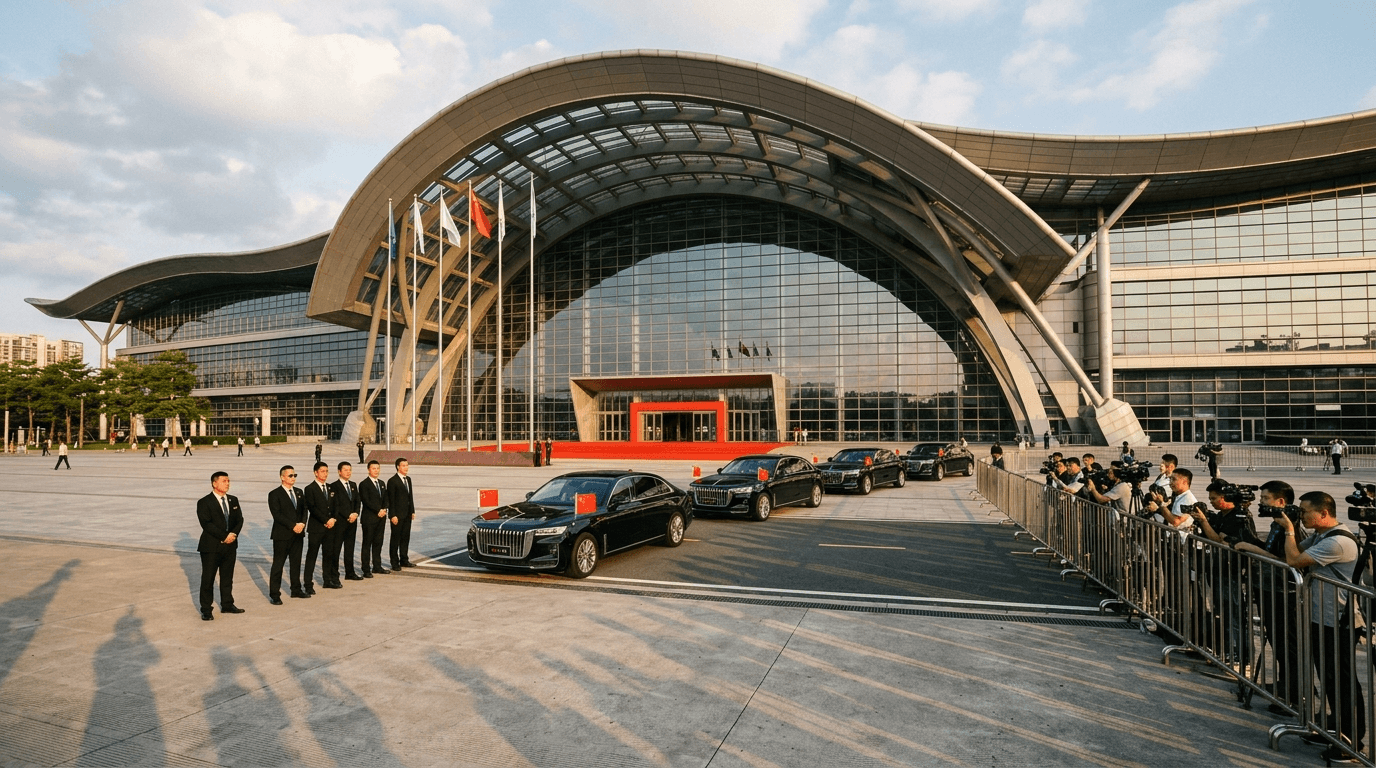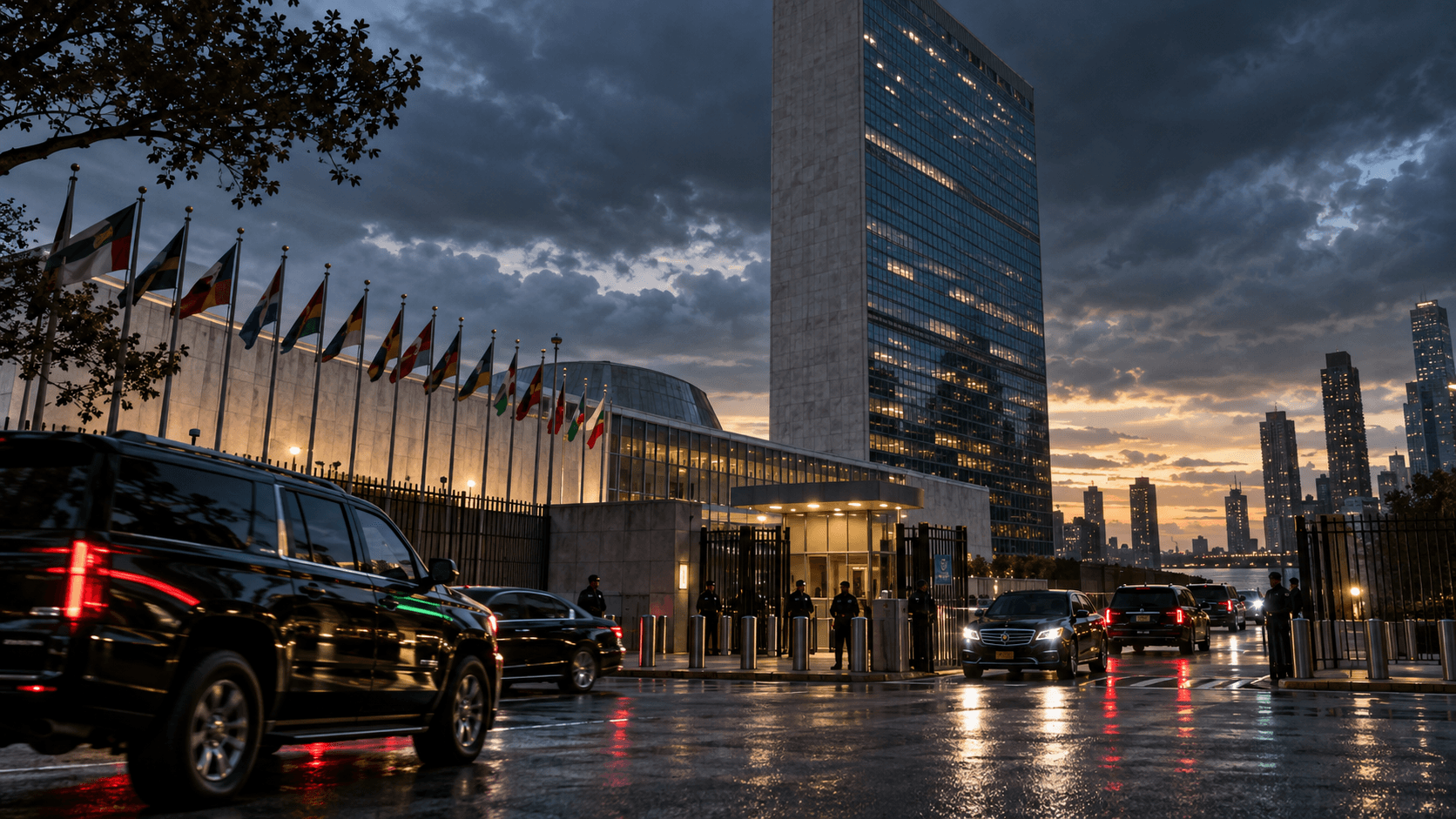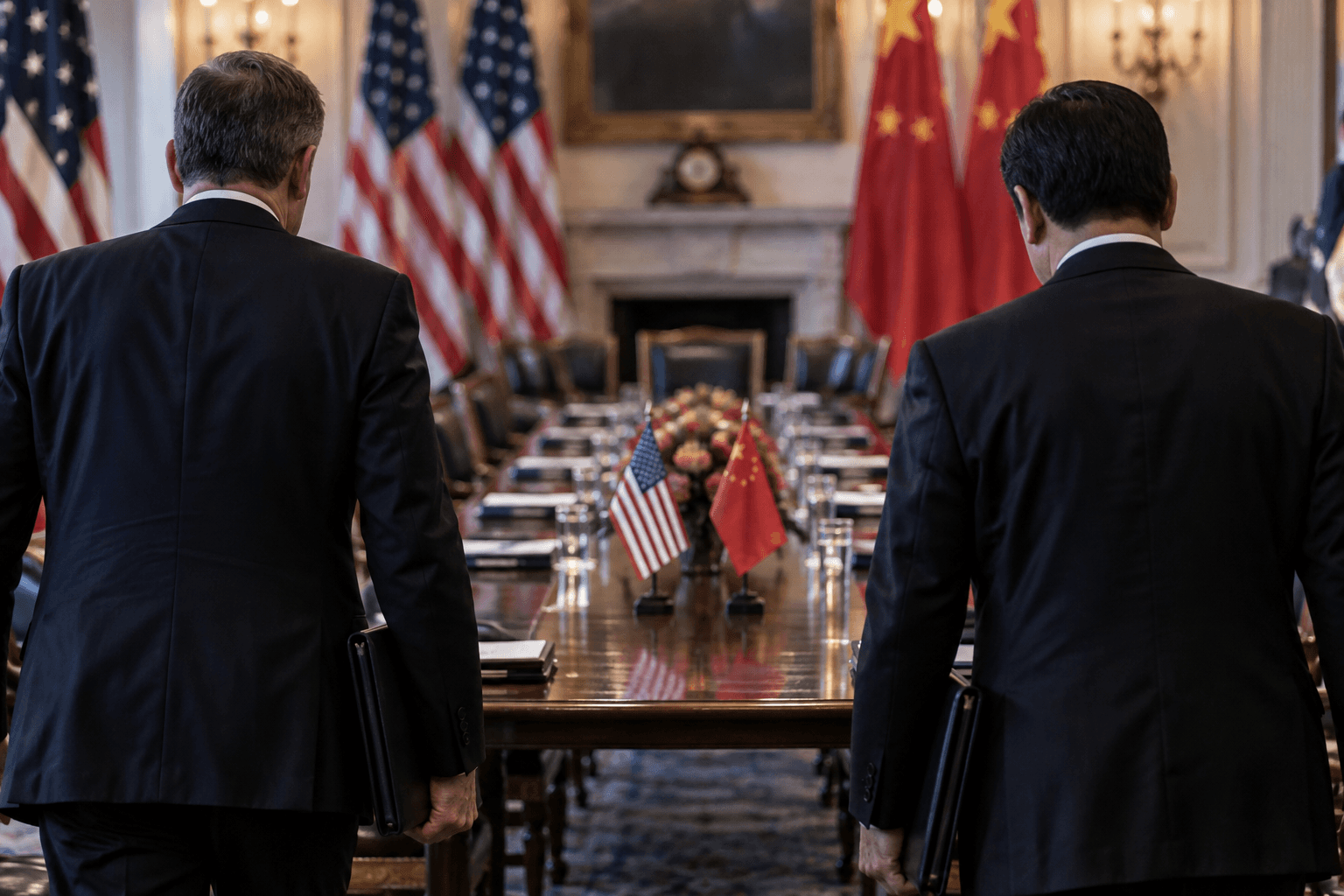
President Donald Trump and Chinese President Xi Jinping ended a closely watched White House summit with a warmer public tone and more time for economic negotiations, but without a comprehensive settlement to the disputes separating the world’s two largest economies. The leaders agreed to extend their existing trade truce into January, postponing a deadline that could have revived higher tariffs. Trump called the meeting productive, while Xi emphasized dialogue and a steadier relationship. The immediate result is a pause in escalation rather than a final bargain, leaving businesses and allies to judge whether the extra negotiating window can produce durable commitments.
The summit carried unusual ceremony for a relationship still marked by competition. Trump greeted Xi on arrival, hosted a state dinner and highlighted their personal rapport. Behind that pageantry, negotiators were still working through Chinese purchases of American farm goods, access to rare earths and other critical materials, technology restrictions and the balance of tariffs. Reporting after the talks indicated that some earlier commitments remain only partly fulfilled. The new extension therefore lowers the near-term risk of another tariff shock, but it does not remove the uncertainty facing exporters, manufacturers or companies with supply chains spanning both countries.
Artificial intelligence and national security added another layer to the meeting. Washington and Beijing are competing for advanced chips, computing infrastructure and influence over emerging AI rules, while disagreements over Taiwan and Iran remain unresolved. Both governments have reasons to preserve a channel between their leaders even when they cannot bridge those gaps. For the United States, continued talks could improve access for agricultural and industrial exports. For China, stability can reduce pressure on an economy already managing weak domestic demand and restrictions on strategic technology. Neither side, however, signaled that broader rivalry was ending.
A Polymarket contract tied to the summit’s most visible moment moved sharply after public footage emerged. Traders put about a 99% implied probability on the leaders’ longest handshake lasting two to six seconds, up roughly 27 percentage points over the previous day. That contract is a narrow question about recorded protocol, not a measure of diplomatic success. Its repricing nonetheless captured how quickly the summit moved from anticipation to documented event, even as the much larger questions about trade implementation and strategic competition remained unsettled.
The next test will be whether working-level negotiations turn the January extension into concrete progress. Trump has pointed to additional meetings with Xi later this year, including gatherings in China and at the Group of 20 summit in Miami. Those encounters could create deadlines for a more detailed trade package or simply extend the current pattern of temporary truces. Companies will be watching for firm schedules on tariffs, agricultural purchases and critical-mineral access, while governments across Asia will look for signs that the leaders’ cordial language can contain disputes over security and technology. The summit bought time; it did not decide how that time will be used.