A visit to Iran by President Donald Trump would mark a striking turn in relations, but the reporting available points to no announced trip. The question matters beyond diplomatic spectacle: the war has disrupted global oil supplies and driven prices higher, according to CBS News. Whether contact can become diplomacy remains uncertain, and the cited reports do not say that Trump is preparing to travel to Iran. The distinction is important: an expressed willingness to meet is not the same as an announced journey, and the reporting establishes the former, not the latter.
The market gives traders’ current view of the specific question, not an objective forecast. Kalshi had the contract at 4% as of 12:44 p.m. ET on Oct. 5. Its price was up 0 points over the week. The market shows little movement over the week, but that does not establish what officials intend or whether a visit will happen. The contract concerns a trip before the start of the new year; its trading deadline is Jan. 1, 2027. The deadline is not evidence of an event date or a diplomatic timetable. Trading activity provides context about the contract, not confirmation of government plans: 17,240 contracts traded over the last day. Those figures describe activity in the market, not the likelihood as an independently verified forecast.
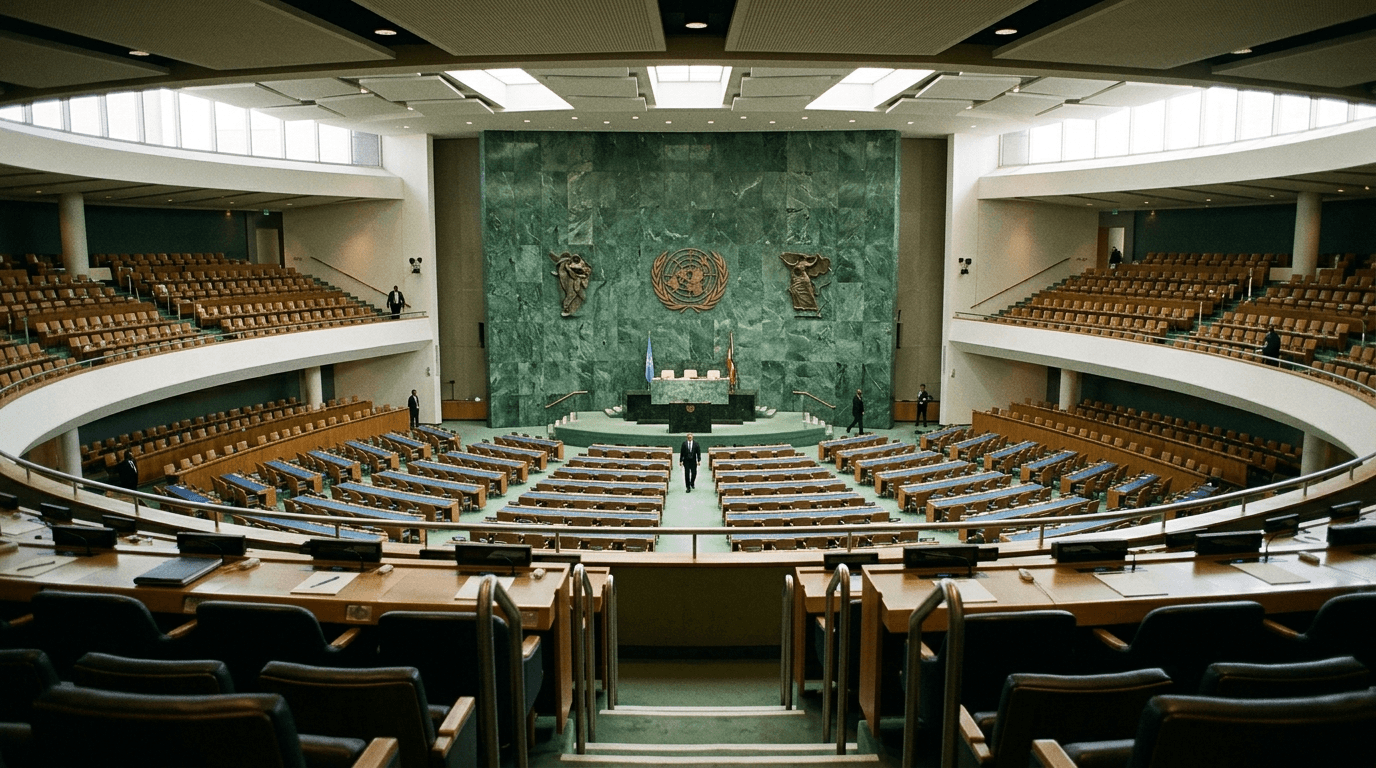
There has been reported contact, but it took place in New York, not Iran. At the United Nations gathering, Trump said his envoys had met Iranian officials on the sidelines, while offering few details. Secretary of State Marco Rubio said Trump was open to meeting Iran’s president during the gathering. That is evidence of stated openness to a meeting in New York; it is not evidence that Trump proposed a visit to Iran. The reporting cited here describes no itinerary and no announcement of a visit. The reports therefore support a limited conclusion: contact was publicly described, and a meeting was presented as possible, but a trip to Iran was not reported.
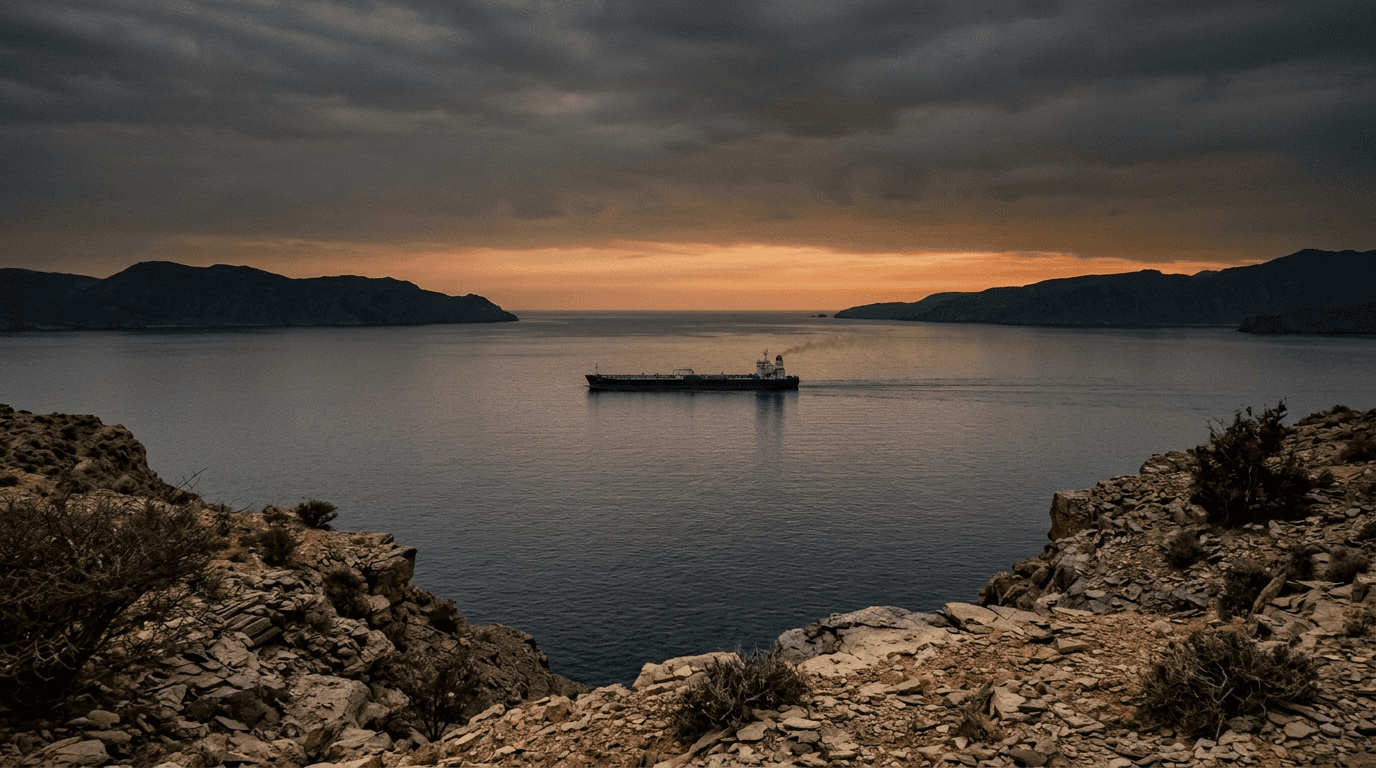
The context is not a settled path toward talks. Iranian officials said they were reviewing the U.S. response to Tehran’s conditions for reopening the Strait of Hormuz, CBS reported. The same report describes the conflict as unresolved and the sides as facing disagreement over the strait. Contact and openness to a meeting make direct engagement conceivable, but neither tells us whether talks will resume, whether a meeting will occur, or whether diplomacy could lead to a trip. The reporting also leaves open the possibility of renewed military action. In this evidence, diplomatic possibility and a concrete travel plan remain separate questions; the available accounts answer neither with an announced visit.
For now, the gap between a possible meeting and a visit is the central uncertainty. The market price cannot fill that gap: it reflects what traders currently believe about the contract, not what either government has decided. The cited reporting offers evidence of contact and a willingness to meet in New York, but none of a proposed visit to Iran. Until an announcement or itinerary appears in reliable reporting, the question of a trip remains open rather than a developing presidential plan. What can be said is narrower: officials’ reported contact and Rubio’s description of Trump’s openness concern engagement in New York, while the cited accounts provide no reported itinerary or announcement for travel to Iran.