Prediction markets price just a 1% probability that traders can accurately forecast what Donald Trump said during his July 29 tele-rally for Kansas state Senate candidate Ty Masterson, according to Kalshi data. The market, which closed shortly after the 5:30 p.m. CT event, saw implied odds collapse 83 percentage points in 24 hours as the call approached without a clear script or policy anchor. Volume reached $19,282 before the rally began, reflecting intense but ultimately speculative interest in a question that hinged on the former president's unscripted remarks.
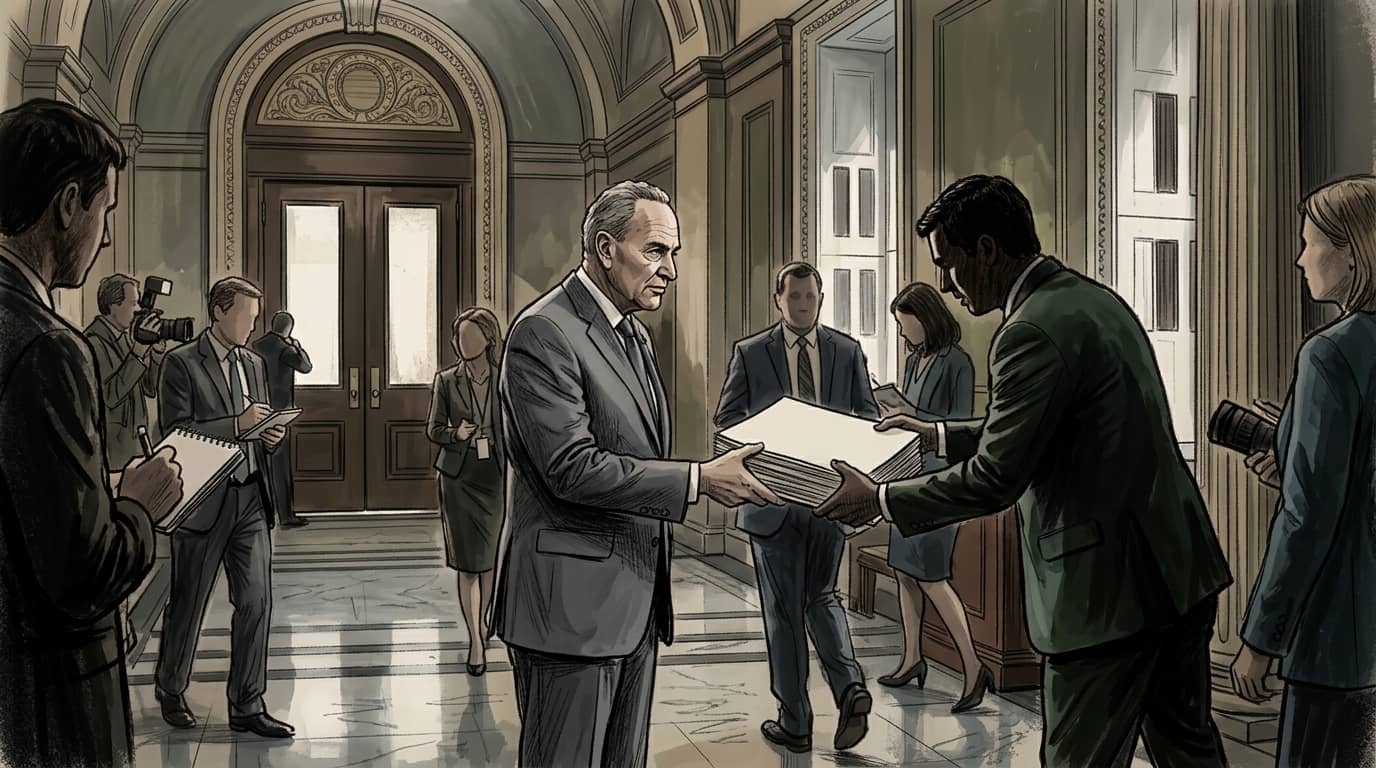
The tele-rally, scheduled for the Wednesday before Kansas's Aug. 4 primary, was promoted by Masterson's campaign as a live event where Trump would speak directly to Kansas voters. Local outlets reported that "hundreds of thousands" of residents received invitation calls to dial 833-746-0072 and listen. Masterson posted on X that he had Trump's "Complete and Total Endorsement," framing the call as a show of direct support rather than a venue for new policy announcements. No transcript or recording of Trump's remarks has been released, leaving the market's resolution dependent on verified reporting of what was said.
The 1% probability reflects the inherent difficulty of predicting spontaneous political speech, even in a structured campaign setting. Analysts note that Trump's tele-rally appearances typically blend endorsement language, attacks on opponents, and familiar rally themes, but the exact phrasing remains unpredictable. The market's design—asking what Trump would say, not whether he would appear or endorse—created a narrow path to a correct guess. Traders who bought contracts at higher odds before the 83-point drop faced near-total losses as the event passed without a clear resolution signal.
The broader context of Kansas's Aug. 4 primary adds stakes to Masterson's campaign, but the tele-rally itself appears to have been a standard endorsement event. Without a confirmed transcript or detailed contemporaneous reporting, the market may struggle to settle. Kalshi's resolution criteria will likely depend on authoritative sources such as campaign statements, media accounts, or official recordings. Until those emerge, the 1% probability stands as a reminder that even high-profile political events can defy market prediction when the variable is unscripted speech.