Formal U.S. recognition of Somaliland would mark a change in Washington’s position toward the territory, but Trump’s remarks describing it as a separate country did not formally recognize it or announce a change in diplomatic policy, according to Business Insider Africa. That distinction is central to the question now facing the administration: whether remarks become official policy, or whether the existing position remains in place. The hearing and the market price offer different evidence about that uncertainty; neither establishes that a decision has been made.
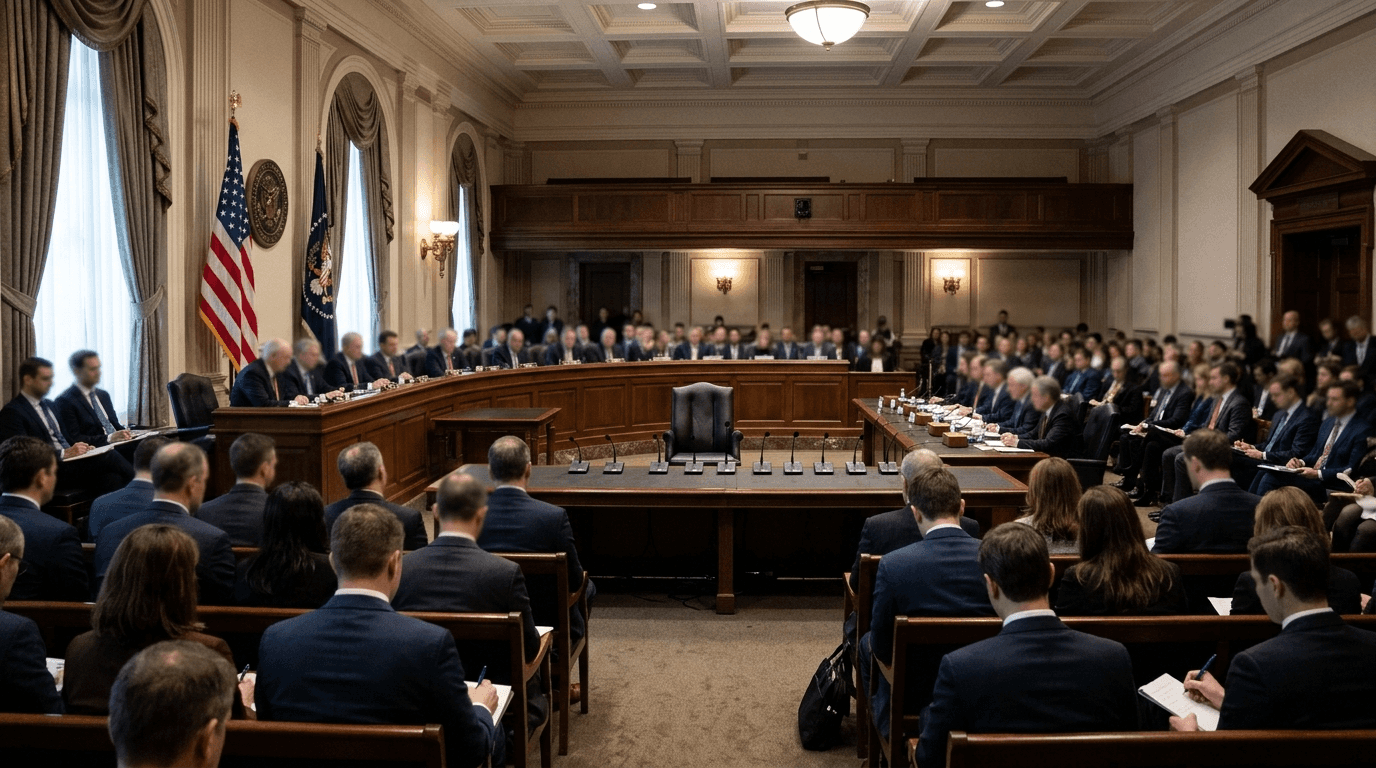
At a Senate Foreign Relations Committee hearing, Sen. Ted Cruz tied his support for the nominee for Somalia ambassador to the State Department following what he called Trump’s guidance on recognition, Breitbart reported. The nominee said the department continues to recognize Somalia’s sovereignty and territorial integrity, including Somaliland. He supported expanded U.S. engagement with Somaliland but did not endorse Trump’s characterization of it as a country distinct from Somalia. The testimony therefore left a gap between support for engagement and support for formal recognition. The nominee also could not explain why the State Department had not moved to recognition.
Kalshi traders put the chance of recognition before the end of this year at 3% as of 9:35 a.m. ET on Nov. 16. That price was down 8 points over the week. It reflects traders’ current view of the contract, not a determination of what the administration will do. The contract recorded 416 contracts traded over the last day, a modest amount of recent activity that counsels against treating the price as a definitive reading of opinion. Kalshi also lists contracts with later cutoffs, but each asks whether recognition happens by its own deadline; their prices do not establish when a decision might occur. A price attached to a deadline is evidence of how traders see that particular question, not proof that a policy change is imminent or ruled out.
The nominee’s support for expanded engagement leaves open the possibility of practical cooperation without a change in formal recognition policy. Somaliland’s advocates cite its strategic location and potential cooperation on maritime security, counter-terrorism and trade, Business Insider Africa reported. Those interests provide a reason for Washington to consider closer engagement, but they do not answer whether the administration will recognize Somaliland. Nor does the Senate testimony settle whether Cruz’s condition will affect the nominee’s confirmation. Recognition and engagement are related questions, but the testimony described support for one without endorsing the other.
Somaliland declared independence in 1991 and has sought international recognition since then. Israel became the first United Nations member state to formally recognize it, according to Business Insider Africa. That history helps explain why the prospect of U.S. recognition is consequential to Somaliland’s long-running effort, while the current U.S. policy statement underscores how much remains unchanged. Whether Trump will direct a formal policy change and whether the State Department will act on his remarks remain unresolved. The near-term market price captures one reading of that uncertainty; it cannot tell readers whether the administration has reached a decision or what practical effects recognition would have. For now, the public statements distinguish a possible opening for engagement from a formal change in Washington’s position.