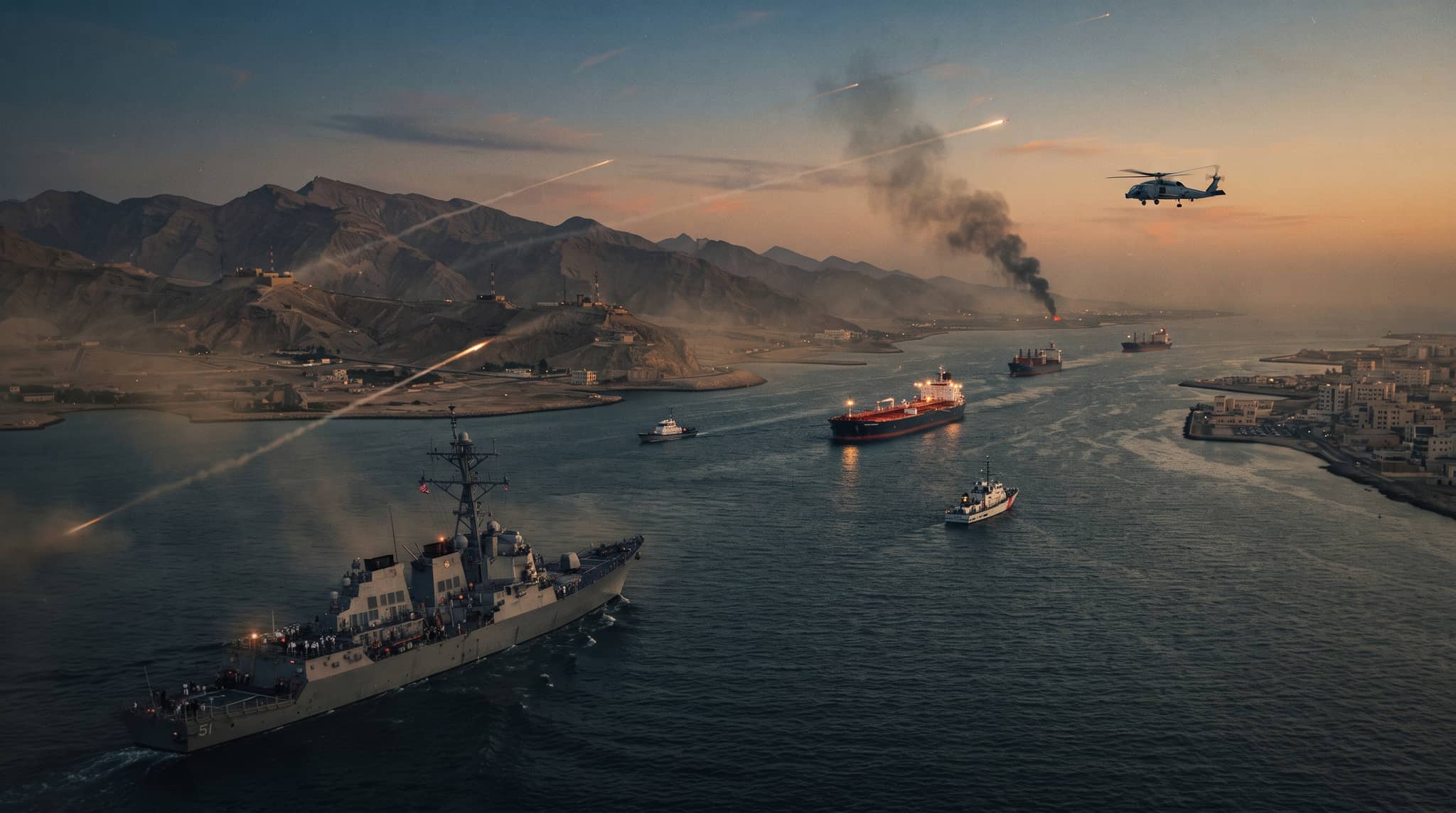
The United States launched airstrikes on Iran early Sunday in response to an Iranian strike on a container ship in the Strait of Hormuz, escalating a conflict that has sharply reduced tanker and cargo traffic through the strategic waterway. Iran retaliated with attacks on Bahrain, Kuwait, Qatar, Jordan and Oman, according to the Associated Press.
The US military reported that over 140 ships transited the strait in the past week, compared with a pre-war daily average of nearly 140 vessels, according to a multinational body overseen by the US Navy. Iran declared the Strait of Hormuz closed until calm is restored and threatened to target additional enemy bases.
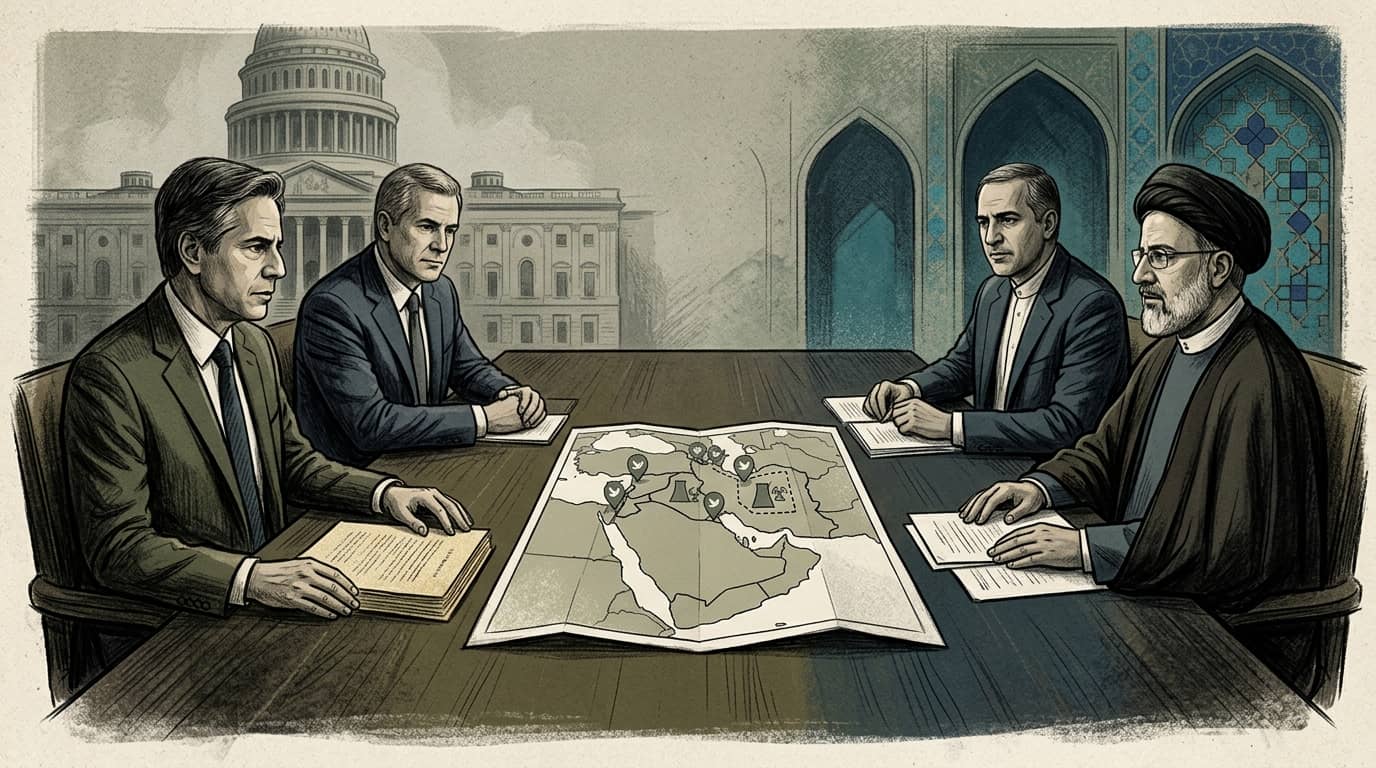
The fighting comes nearly at the midway point of a 60-day interim deal aimed at reaching a permanent end to the war. The deal has so far failed to prevent the latest escalation, which began with the Iranian attack on the container ship and was followed by US airstrikes.
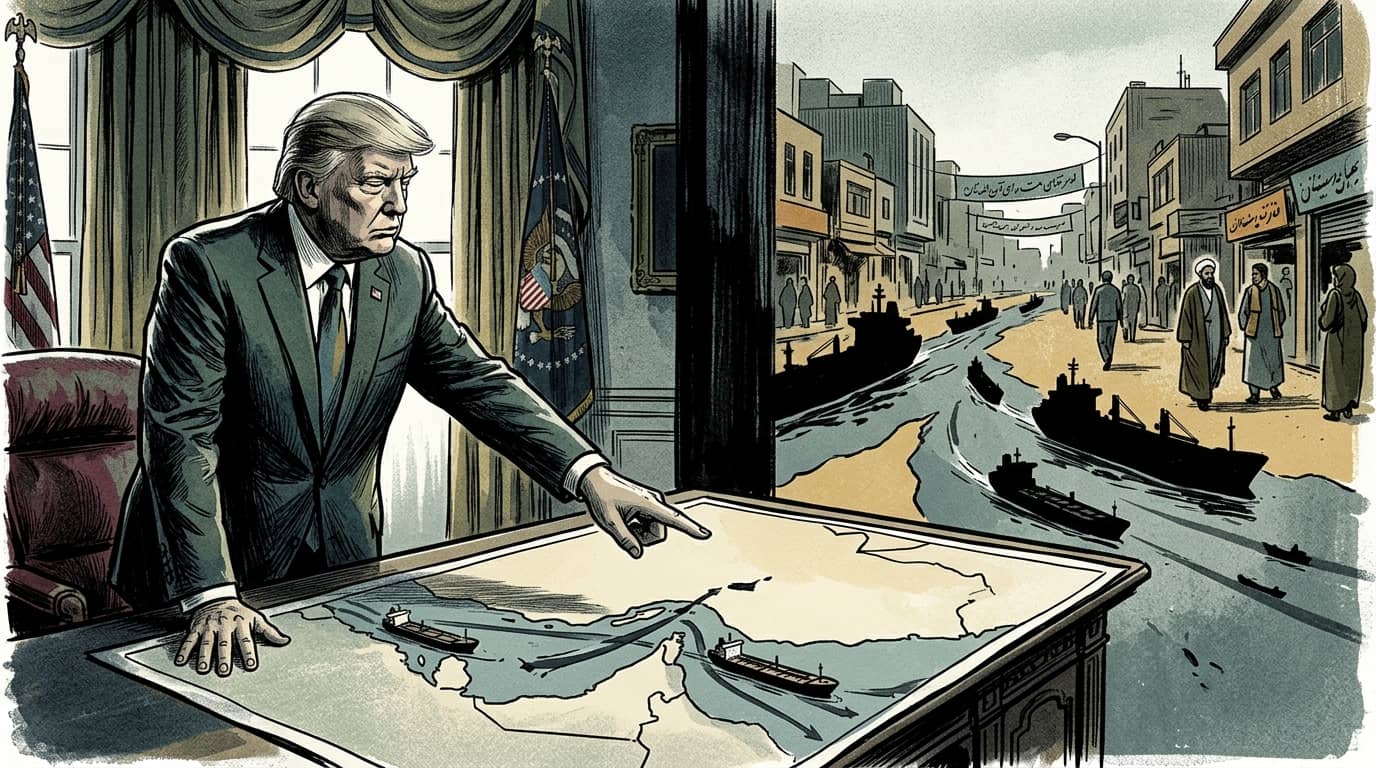
The strait is a critical chokepoint for global oil and liquefied natural gas shipments, and the reduced traffic has implications for energy prices and supply chains. The International Monetary Fund’s Portwatch portal tracks daily arrivals of ships through the Strait of Hormuz and is the authoritative source for measuring transit levels. A key metric to watch is whether the IMF Portwatch 7-day moving average of transit calls reaches 60 by August 31, which would indicate that traffic has substantially recovered from current depressed levels.