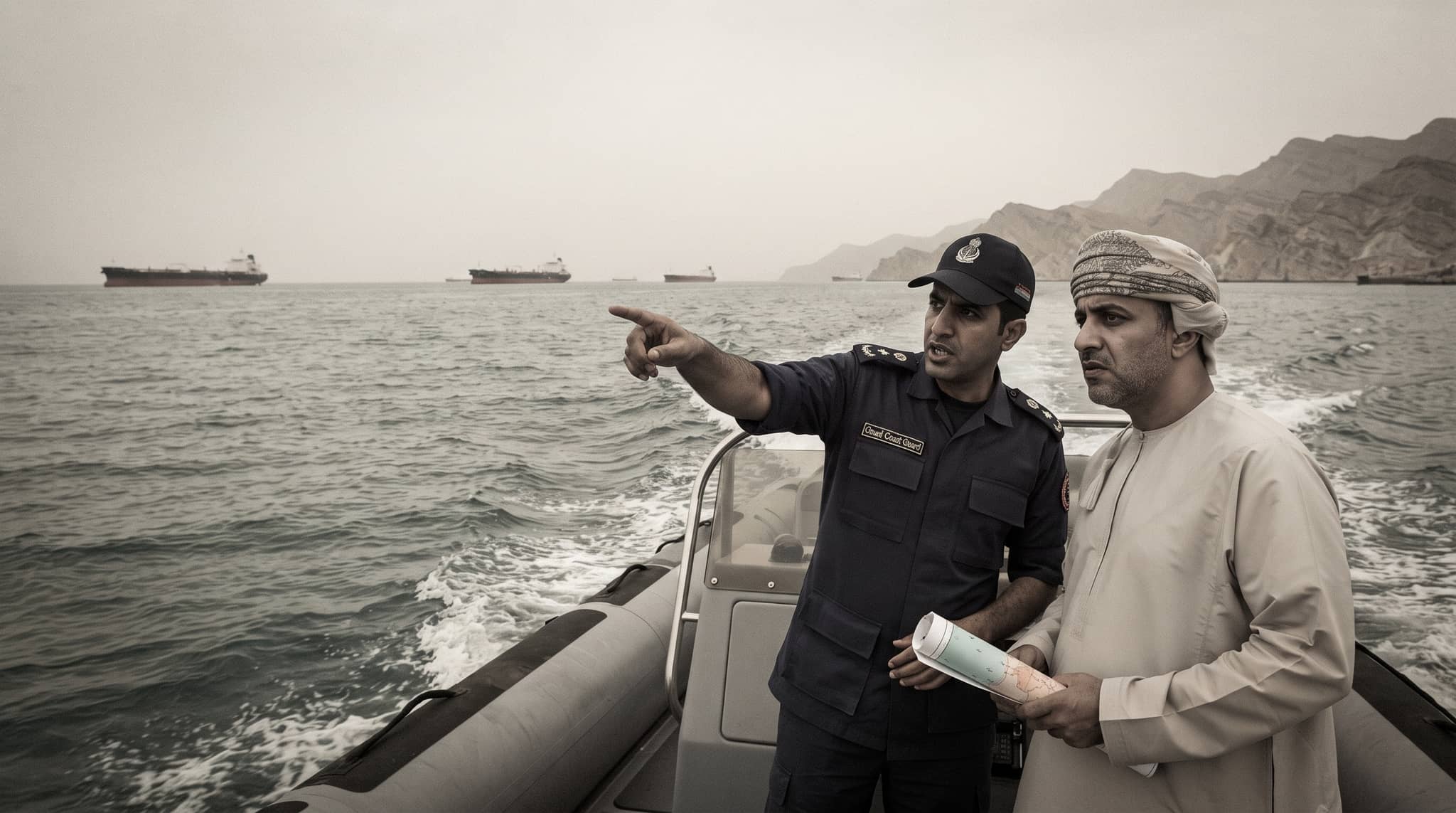
The U.S. announced on July 10 a framework agreement with Iran to reopen the Strait of Hormuz to all traffic, with de-mining operations beginning shortly afterward, according to the New York Times. The diplomatic breakthrough was intended to restore safe passage through the chokepoint that handles a significant share of global oil shipments.
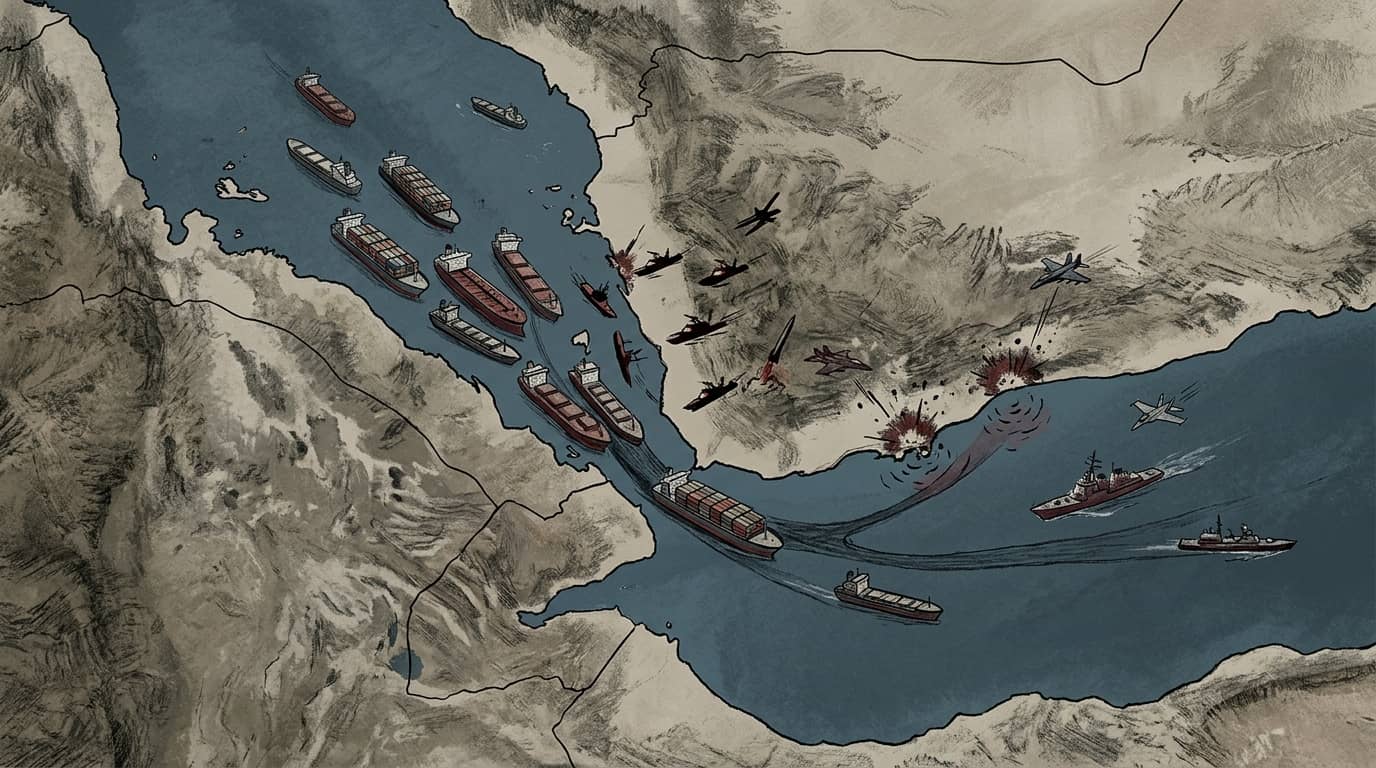
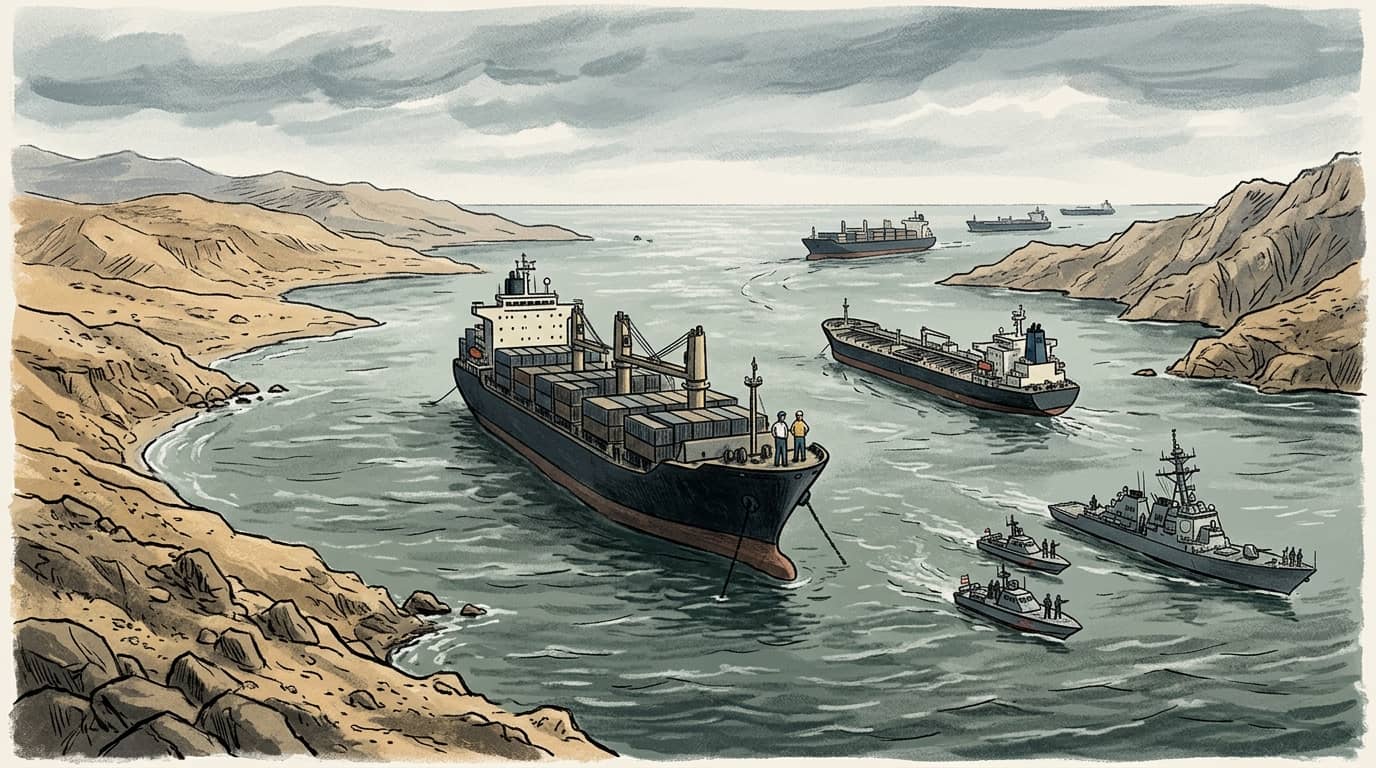
Nearly three weeks later, vessel traffic through the strait has not recovered. As of July 24, the seven-day moving average of transit calls stood at about 12, according to CNBC, citing IMF Portwatch data. Hundreds of ships remain stranded near the waterway, with elevated insurance premiums and unresolved security risks constraining shipping activity despite the political accord.
The IMF Portwatch platform tracks daily transit calls for container, dry bulk, roll-on/roll-off, general cargo, and tanker ships. The data source defines normal traffic as a 7-day moving average of 60 or above, a level that remains distant from current readings.
The gap between the diplomatic announcement and conditions on the water highlights the operational hurdles still facing the strait. U.S. and Iranian officials have not declared the waterway fully cleared of mines or announced that regular shipping has resumed, leaving the recovery timeline uncertain.