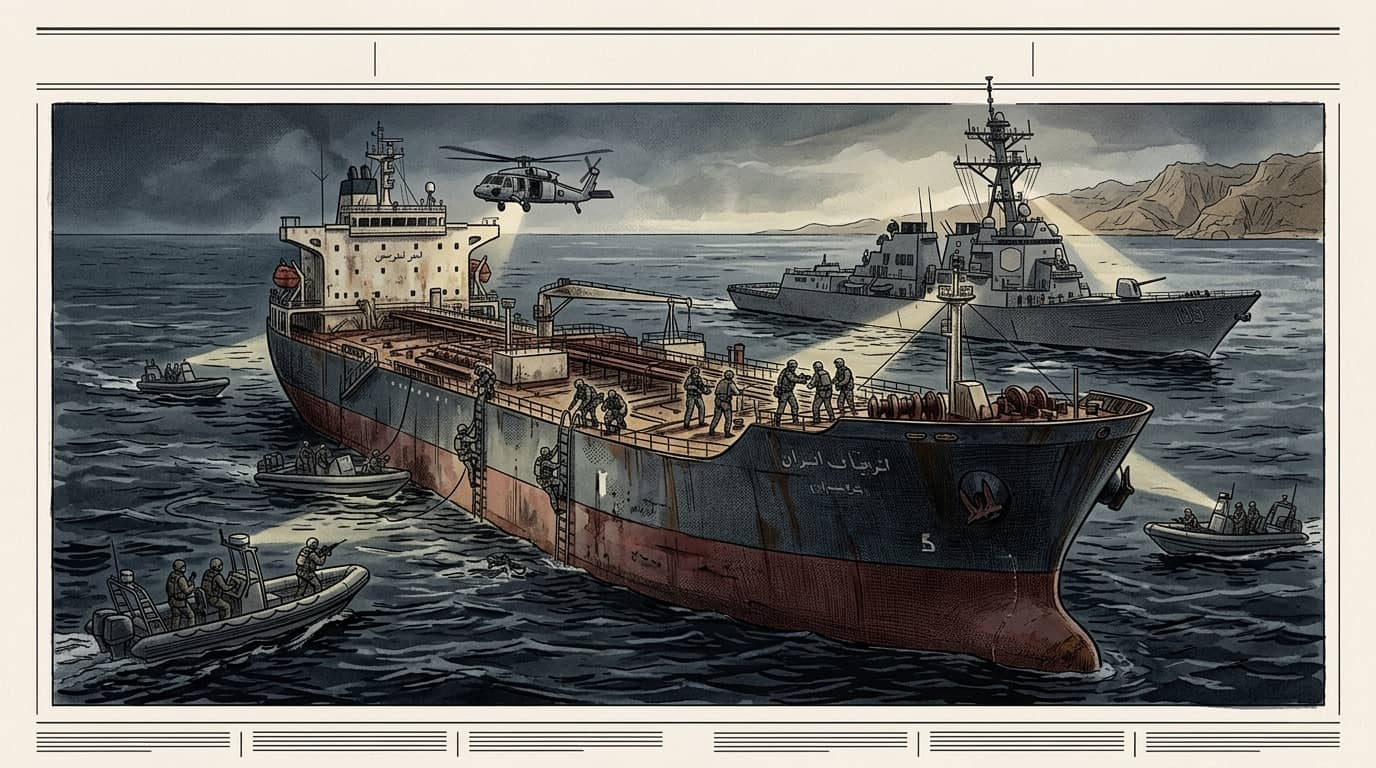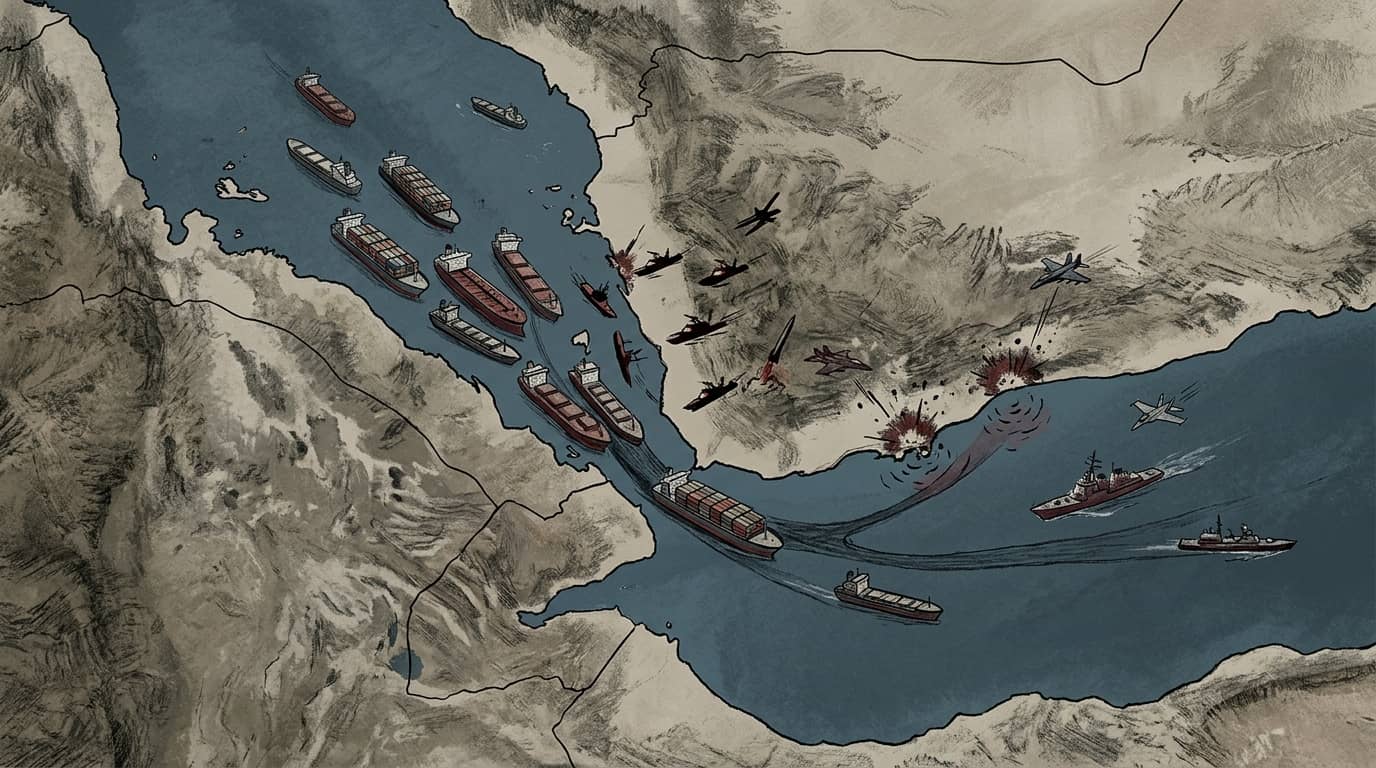
Iran-backed Houthi rebels in Yemen struck two Saudi oil tankers in the Red Sea and declared a naval blockade on Saudi Arabia, escalating the threat to the Bab el-Mandeb Strait. On July 24, eight tankers traveled north through the strait into the Red Sea, and 14 traveled south into the Gulf of Aden, according to an NBC News analysis of MarineTraffic data — volumes far below pre-conflict levels.
The U.S. Central Command completed its 13th straight night of strikes against Iran on July 24, targeting Iranian military command centers, drone storage, and maritime capabilities. President Donald Trump threatened a “massive attack” on Iran that would be “bigger than ever before,” as reported by Axios.
The price of international benchmark Brent crude oil briefly jumped above $100 per barrel on July 24 for the first time since May, before dropping to around $97 on July 25. The combination of Houthi attacks on Saudi shipping and the broader U.S.-Iran conflict has disrupted global trade routes.
The prediction market tracking closure of the Bab el-Mandeb Strait, which measures a 7-day moving average of transit calls using IMF PortWatch data, assigns a low probability of the strict threshold being met by July 31. The IMF PortWatch portal provides the official data for the market's resolution.
The next focal point is the release of IMF PortWatch data for July 31, which will mechanically resolve the market. Further Houthi strikes on commercial vessels or additional U.S. military action could further reduce transit volumes before that deadline.