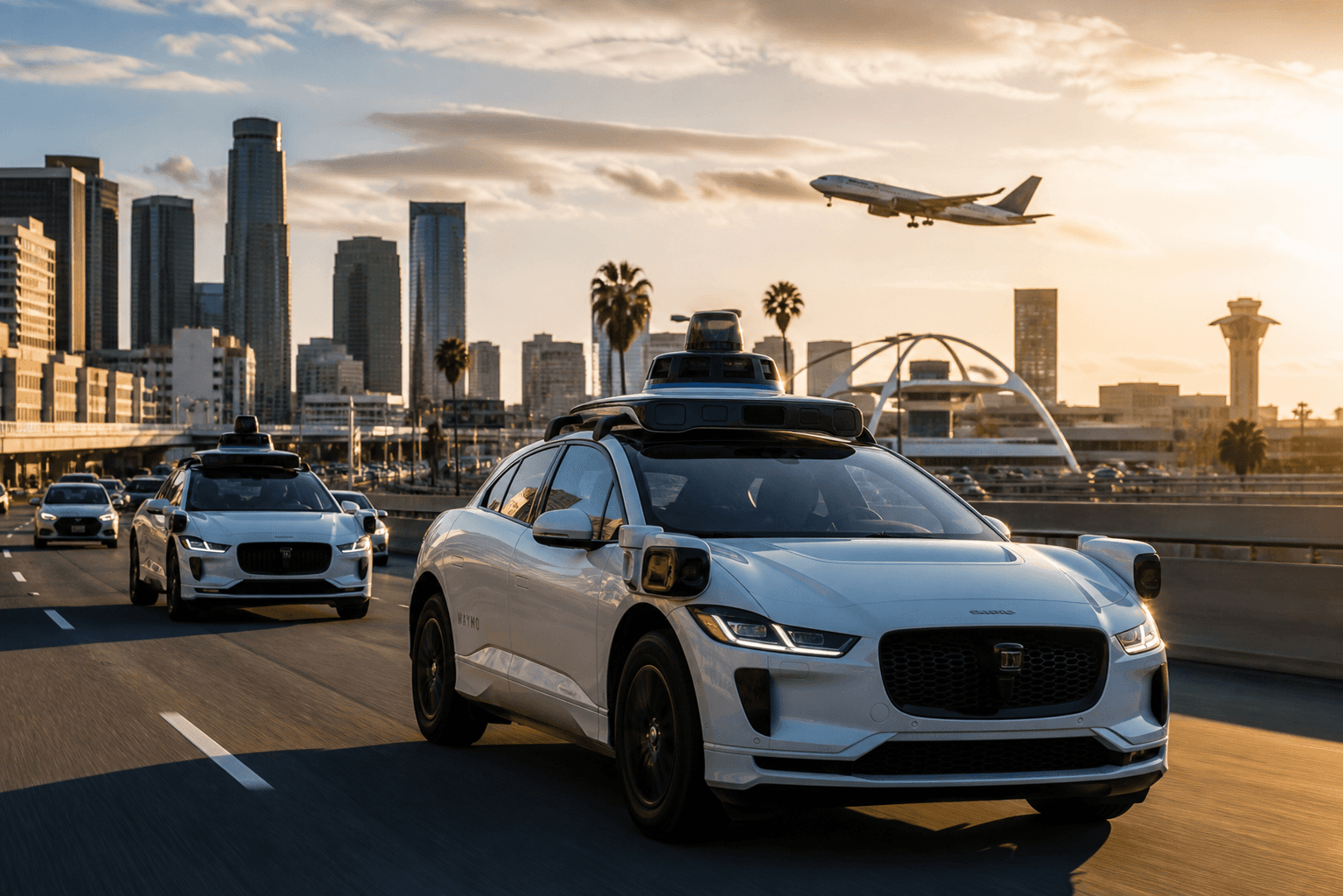
Waymo's robotaxi business is moving into a more difficult and revealing stage of growth, one where success is no longer measured simply by proving that driverless rides can work in a handful of headline cities. The harder question now is whether the company can translate that early lead into a broad and reliable operating footprint across the United States. That shift has become more visible over the past several weeks. Waymo has kept adding public access in Texas, widened its regulatory map in California and continued to prepare new cities for rider-only operations. Each of those steps looks incremental on its own, but taken together they show a company trying to move from a prestige technology story toward something closer to a repeatable transportation network.
The latest markers are concrete enough to matter. In a July 8 update, Waymo said Denver, Las Vegas, San Diego and Tampa were preparing to begin fully autonomous operations without a human specialist behind the wheel, initially for employees and later for the public. On August 4, the company said anyone in Dallas could begin hailing fully autonomous rides through the Waymo app, while also signaling that airport-terminal service and freeway testing were the next important steps in that market. California regulators added another piece on August 14, approving Waymo's updated passenger safety plan and a broader deployment domain that covers service expansion in areas including San Diego and Sacramento. That sequence does not guarantee a seamless rollout, but it does give the expansion story a more practical shape than it had earlier in the summer.
The reason this phase is harder is that scale exposes every unresolved constraint at once. A robotaxi company can impress in a limited downtown zone and still struggle when it tries to expand into airport access, freeway driving, local politics, emergency-response coordination and the sheer operational work of maintaining vehicles across many metros at the same time. That is why Waymo's current progress deserves to be read carefully rather than romantically. The business is not only asking whether its software can handle more streets. It is asking whether city officials, regulators, riders and infrastructure partners are willing to let the service become ordinary. The more cities it adds, the less the story is about novelty and the more it becomes a test of execution, public trust and the economics of running a transportation system that people can use day after day.
Prediction markets are tracking that transition by splitting between a modest expansion and a more aggressive one. On Polymarket, the bracket that puts Waymo in a dozen to fifteen cities by year end has jumped sharply, while the neighboring range for sixteen to nineteen cities still retains meaningful support. That divide is useful because it captures the real debate more honestly than a single headline number would. Investors and riders are not arguing over whether Waymo is growing. They are arguing over how fast the company can convert permits, employee-only operations and pilot geographies into open public service before December ends. The next evidence will come from the same places that matter in any transportation rollout: launch dates, service-area maps, airport access and whether newly approved cities become everyday products rather than promising announcements.