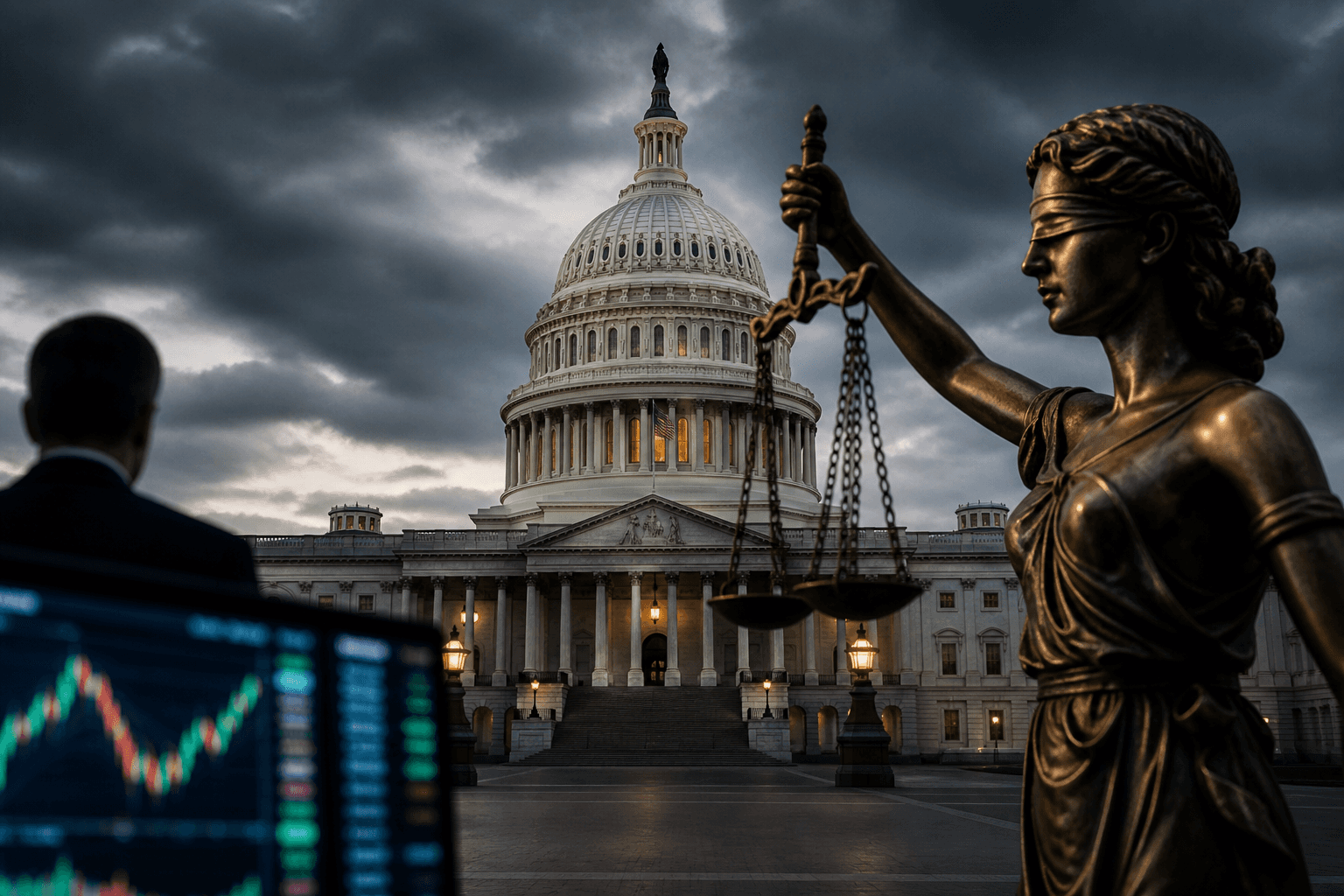
Washington has once again reached the stage where banning lawmakers from trading individual stocks sounds less like a fringe complaint and more like a real piece of unfinished business. The House approved the Stop Insider Trading Act in July after years of public frustration over members of Congress buying and selling shares while shaping the industries they regulate. That vote gave reform advocates the breakthrough they had been chasing. It also pushed the debate into the place where these efforts usually slow down: the Senate, where ethics proposals can attract loud bipartisan applause and still disappear without a floor vote.
What makes this latest push more complicated is that the bill the House passed is both broader than the status quo and narrower than many activists wanted. CBS reported that the measure would bar lawmakers, presidents and vice presidents from buying or selling covered investments while they are in office, but it would not force current officeholders to divest what they already own. It also gives family members different treatment depending on when holdings are acquired, and Republicans attached a voter identification provision that many Democrats immediately argued had nothing to do with corruption. That combination helps explain why the legislation has survived long enough to move, while also explaining why its Senate path remains uncertain. A bill can be popular in concept and still fragile once members start negotiating the details that touch their own finances and campaign strategies.
Prediction markets are reflecting that gap between public appeal and legislative inertia. On Kalshi's visible politics board for whether members of Congress will be banned from trading stocks, the longer dated path carries meaningful support, while a faster timetable still sits deep in long shot territory. Traders are effectively saying what Capitol Hill veterans already know: the argument for reform is easy to make, but the argument for actual passage on a fixed political clock is much harder. The distance between those two judgments is where this story now lives.
The official trail shows why the next phase matters more than the House vote itself. The measure was placed on the Senate calendar on August 6, which keeps it alive as an object of lobbying pressure, but that is not the same thing as a commitment from leadership to take it up. Supporters still need Senate Republicans and Democrats to agree not only on the core trading limits, but also on whether the voter identification rider stays, how strict the family restrictions should be and whether blind trust rules need to go further. With lawmakers heading into another bruising election stretch, the politics cut both ways. Anti corruption language still polls well, yet few institutions are better at delaying self directed reform than Congress. The next real sign of momentum will not be another burst of outrage. It will be whether Senate leaders decide that this unusually durable ethics issue is worth floor time before public anger moves on again.