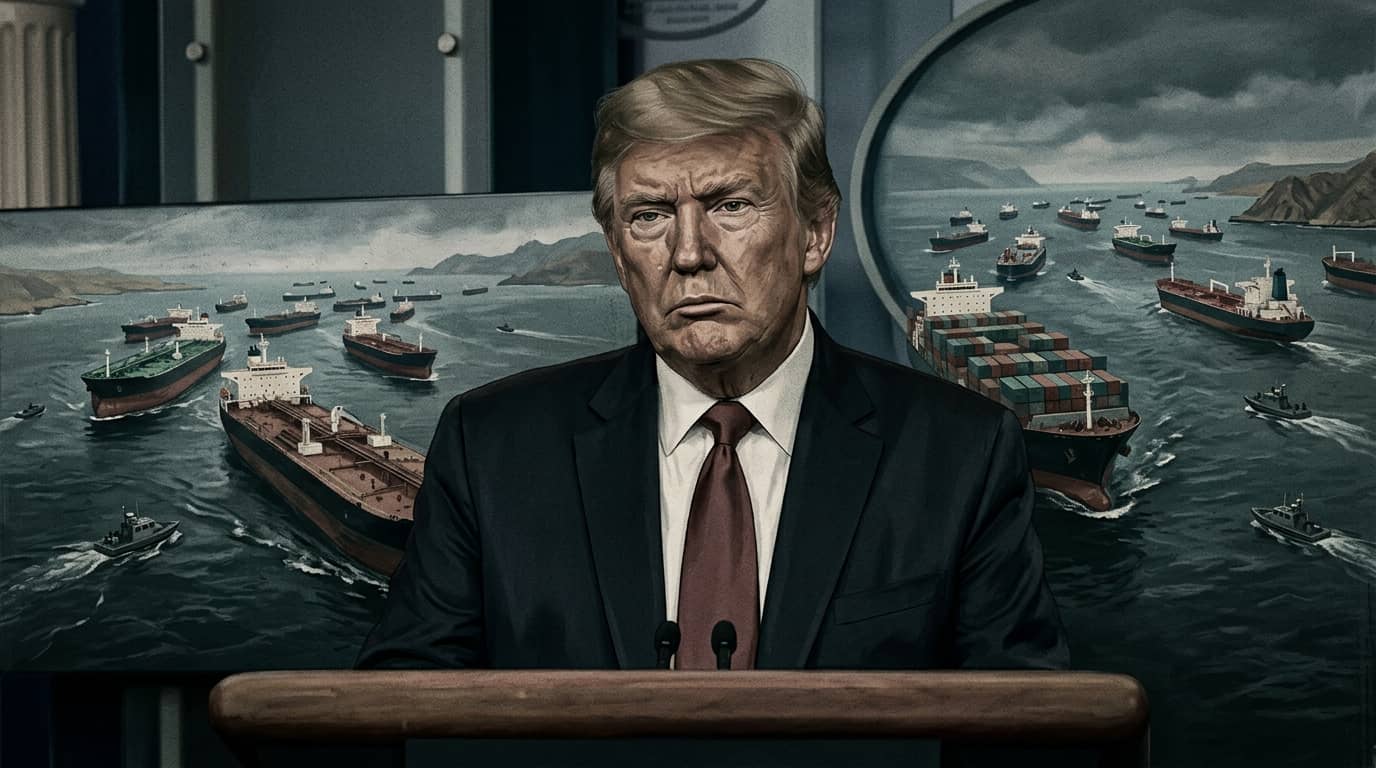
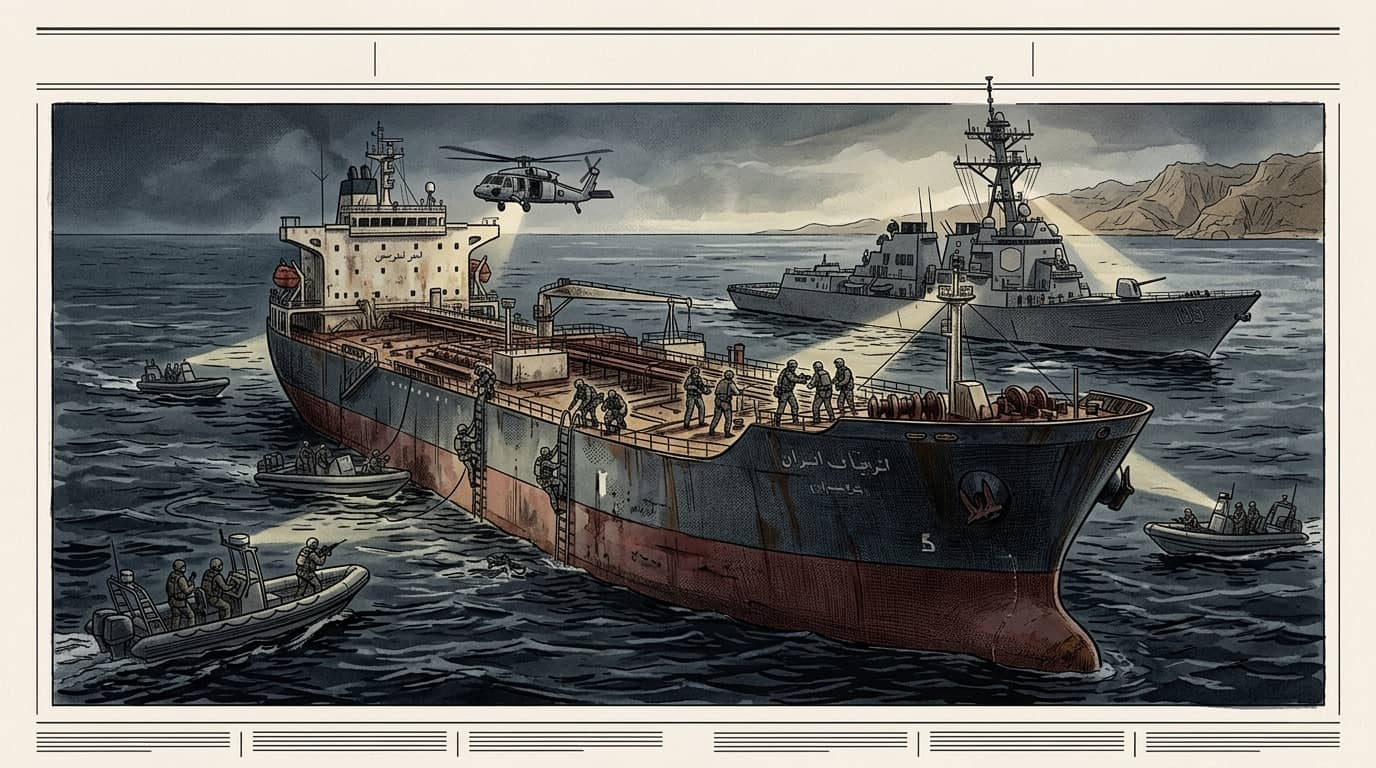
The United States launched a 13th consecutive night of airstrikes against Iran on July 23, as President Trump threatened a "massive attack" that would be "bigger than ever before." The strikes, part of an escalating conflict, have brought traffic through the Strait of Hormuz to a near-standstill.
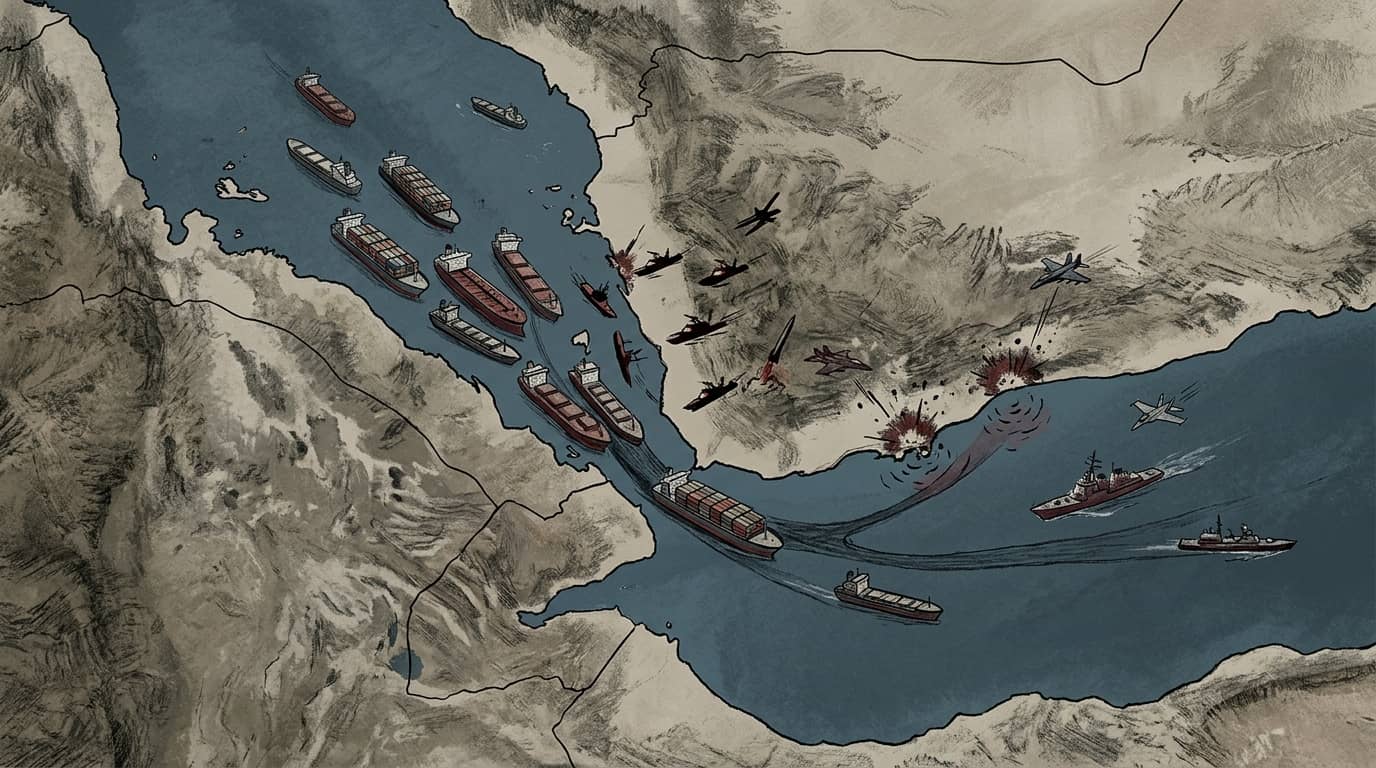
Oil prices briefly surged above $100 per barrel on July 23, the first time since May, before settling around $97. The Houthis struck two Saudi oil tankers in the Red Sea, widening the conflict to a second maritime chokepoint.
On July 23, only one vessel, the "New Giant" oil tanker, fully crossed the Strait of Hormuz, according to shipping data. The International Monetary Fund's Portwatch index, which tracks transit calls, will serve as the official measure for whether traffic recovers to a normal level.
The market's resolution depends on IMF Portwatch publishing a 7-day moving average of transit calls at or above 60 for any date before August 31. With active hostilities and near-zero traffic, a rapid normalization is considered unlikely.
The next real-world indicator to watch is a sustained ceasefire or diplomatic breakthrough that could allow shipping to resume. The IMF Portwatch data will provide the official measure of traffic recovery.