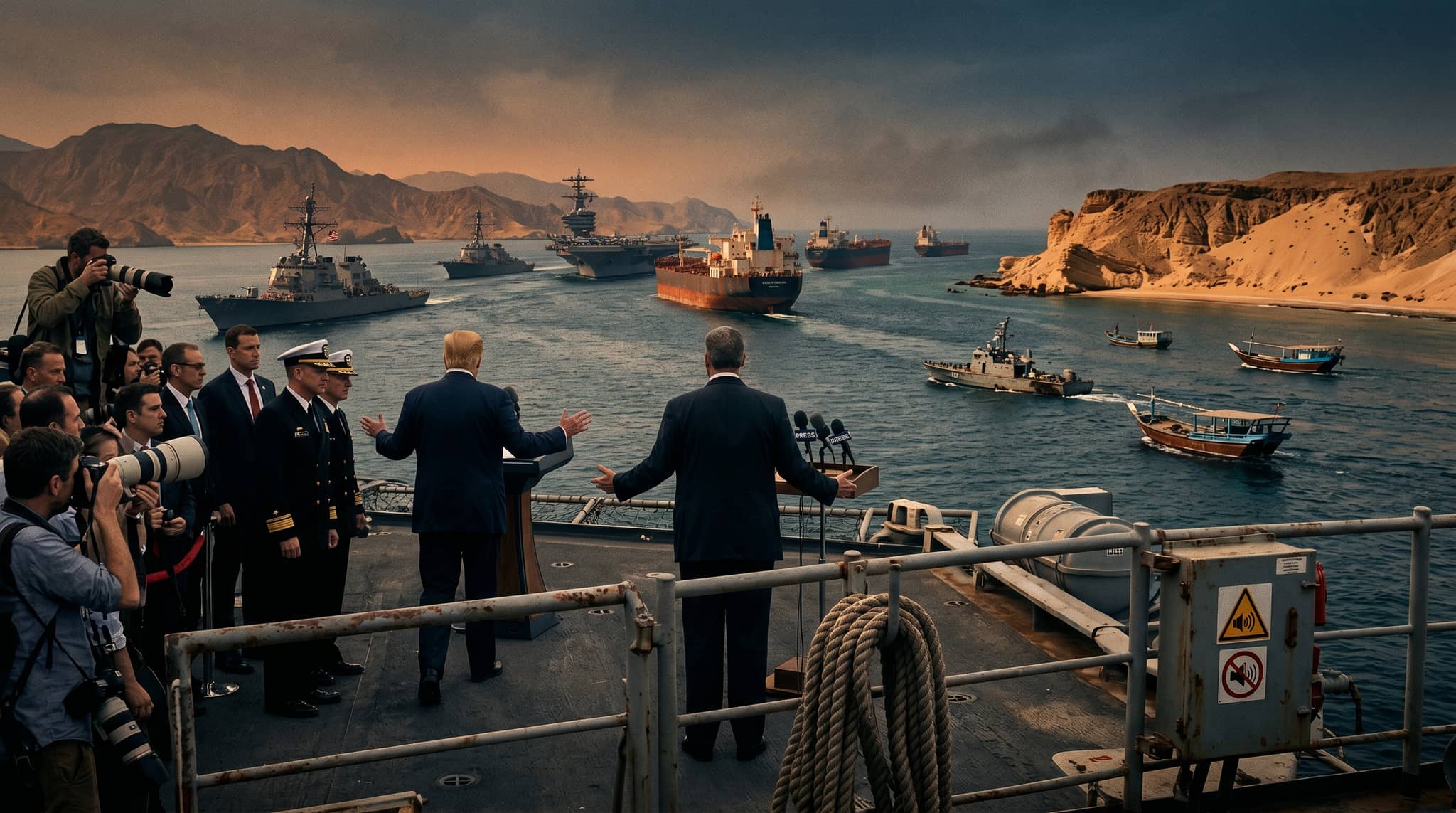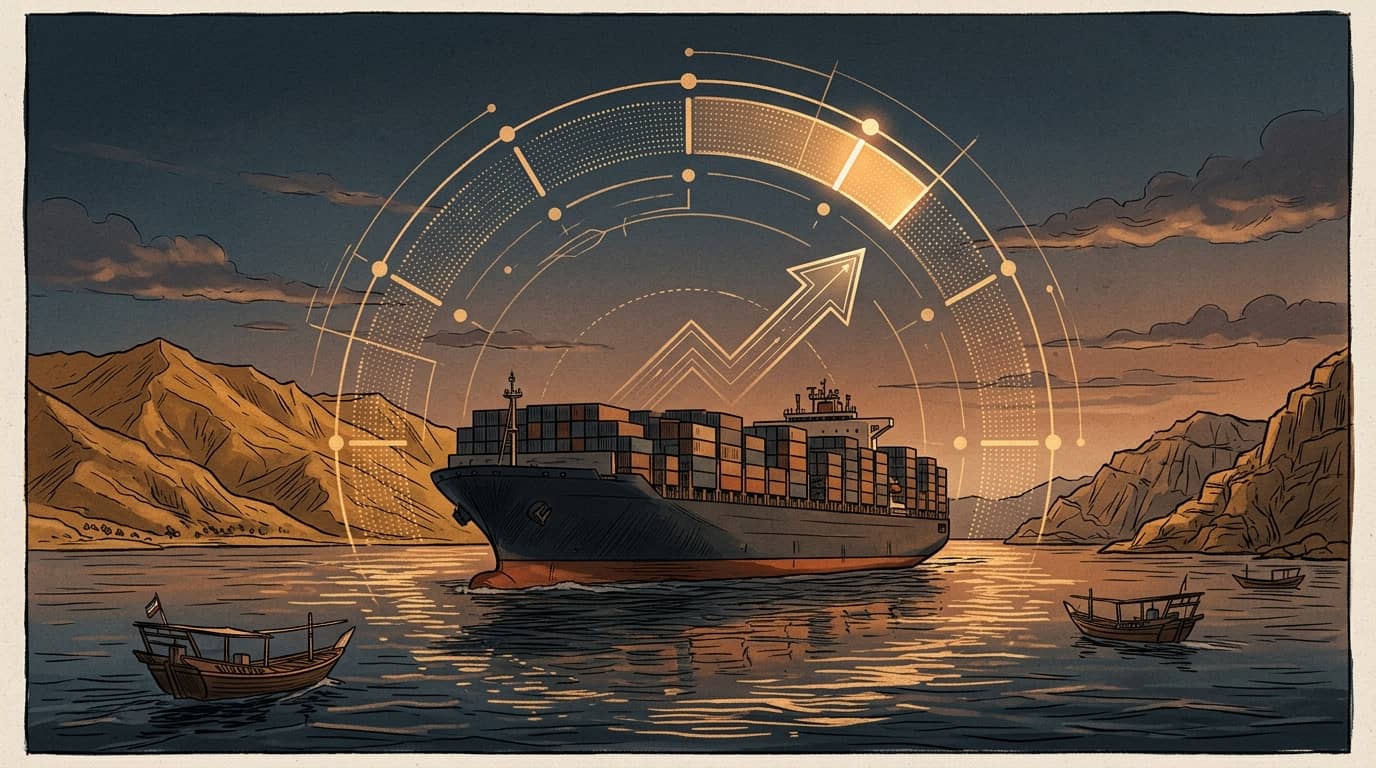
The International Monetary Fund's Portwatch platform will serve as the official data source to determine whether shipping traffic through the Strait of Hormuz has returned to normal by July 15. The choice of the IMF as the arbiter underscores the need for an independent, verifiable benchmark for one of the world's most critical energy chokepoints.
The Strait of Hormuz, a narrow waterway between Iran and Oman, handles roughly one-fifth of the global petroleum trade. Disruptions there have historically driven oil price volatility and triggered naval responses from multiple countries.
IMF Portwatch tracks vessel movements and transit calls using satellite data and automatic identification system signals. The platform's dashboards and downloadable files for the Strait of Hormuz provide daily counts of commercial transits.
The July 15 deadline reflects a period of heightened uncertainty in the region. Any sustained return to normal traffic levels would signal a de-escalation of the tensions that have reduced shipping activity through the strait.
Observers will watch IMF Portwatch data in the coming weeks for sustained increases in daily transit calls that could indicate a return to the pre-disruption baseline.