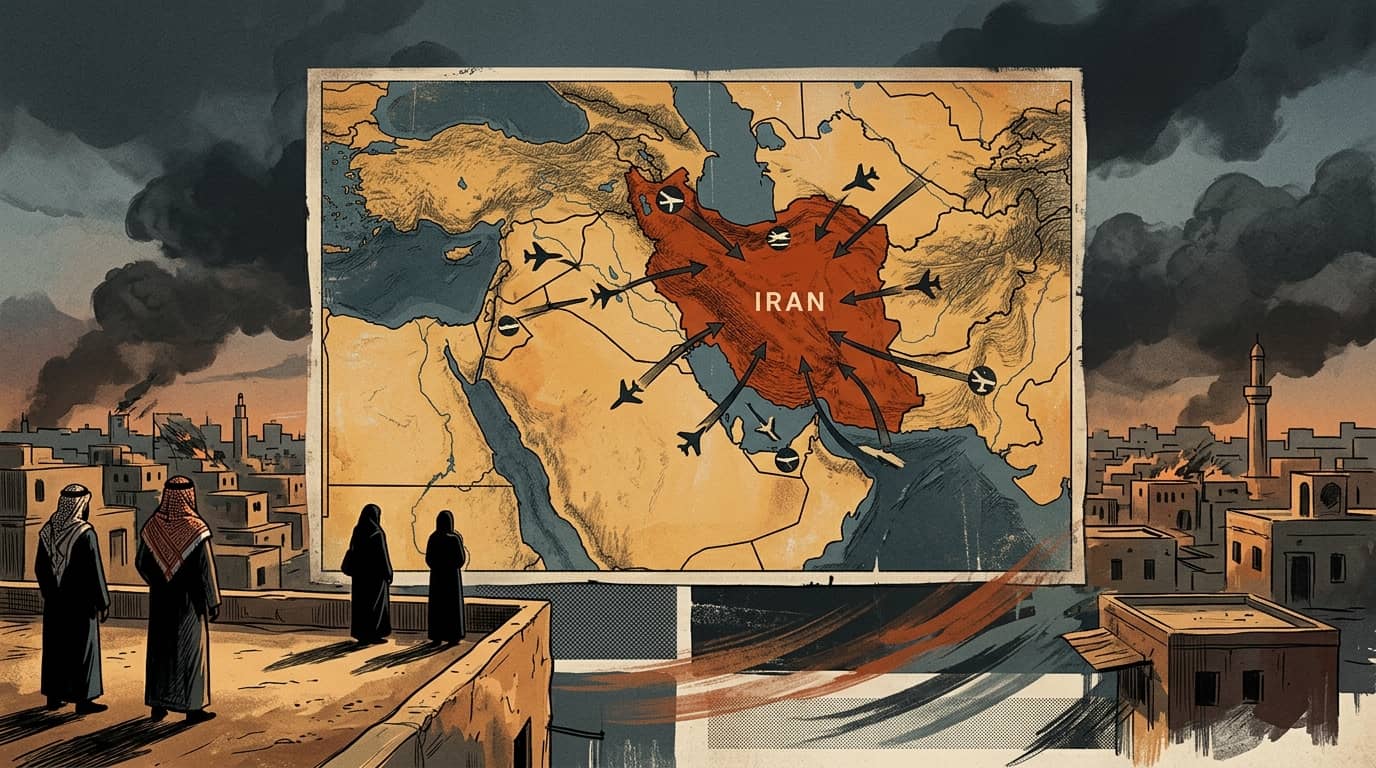
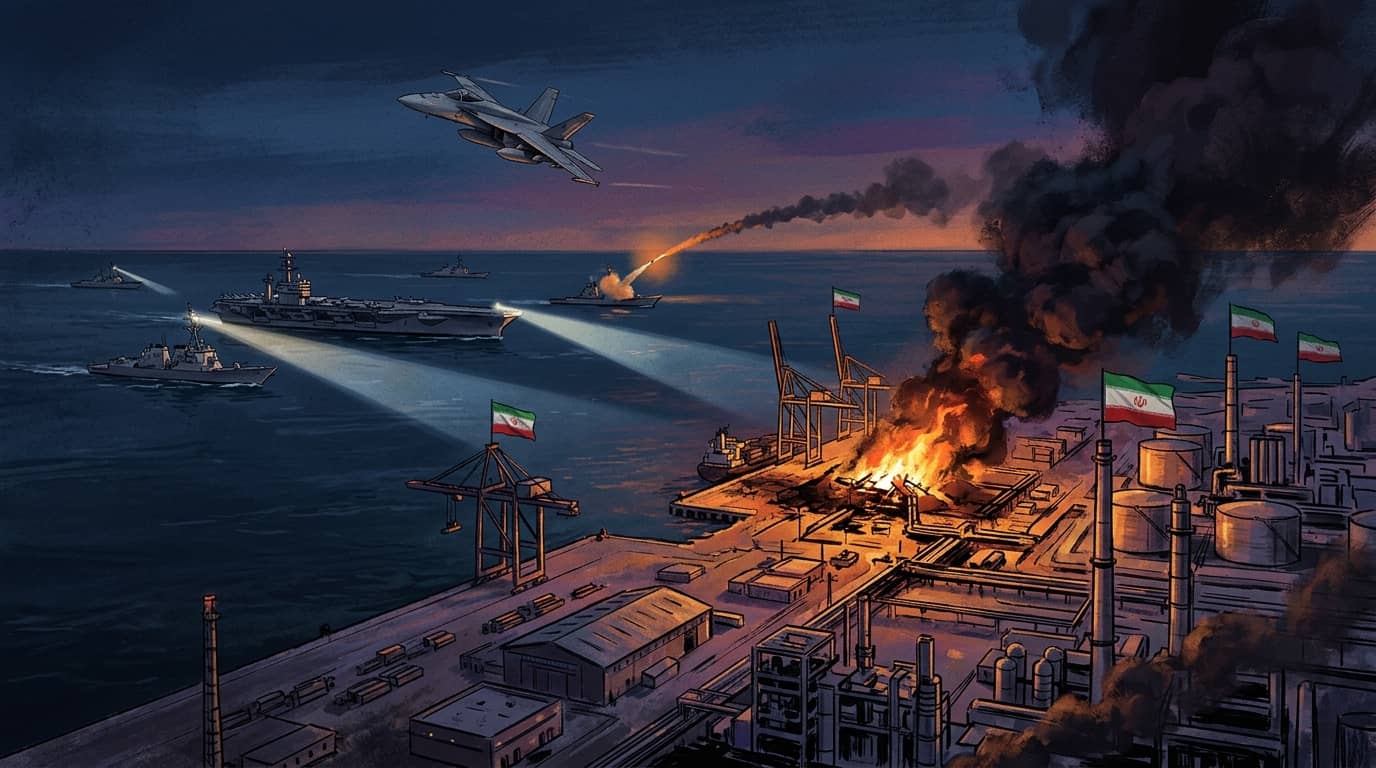
Strikes target Bushehr province and Iranian retaliatory missiles land in Jordan, Kuwait, and Bahrain, widening the conflict.
Prediction markets now assign a 61 percent probability to a China-Philippines military clash before the end of 2026, reflecting intensifying confrontations in the South China Sea and a series of high-stakes naval encounters over the past two years. The implied odds have surged 89 basis points in the past 24 hours on trading volume exceeding $640,000, signaling heightened investor concern over the potential for miscalculation between Beijing and Manila.
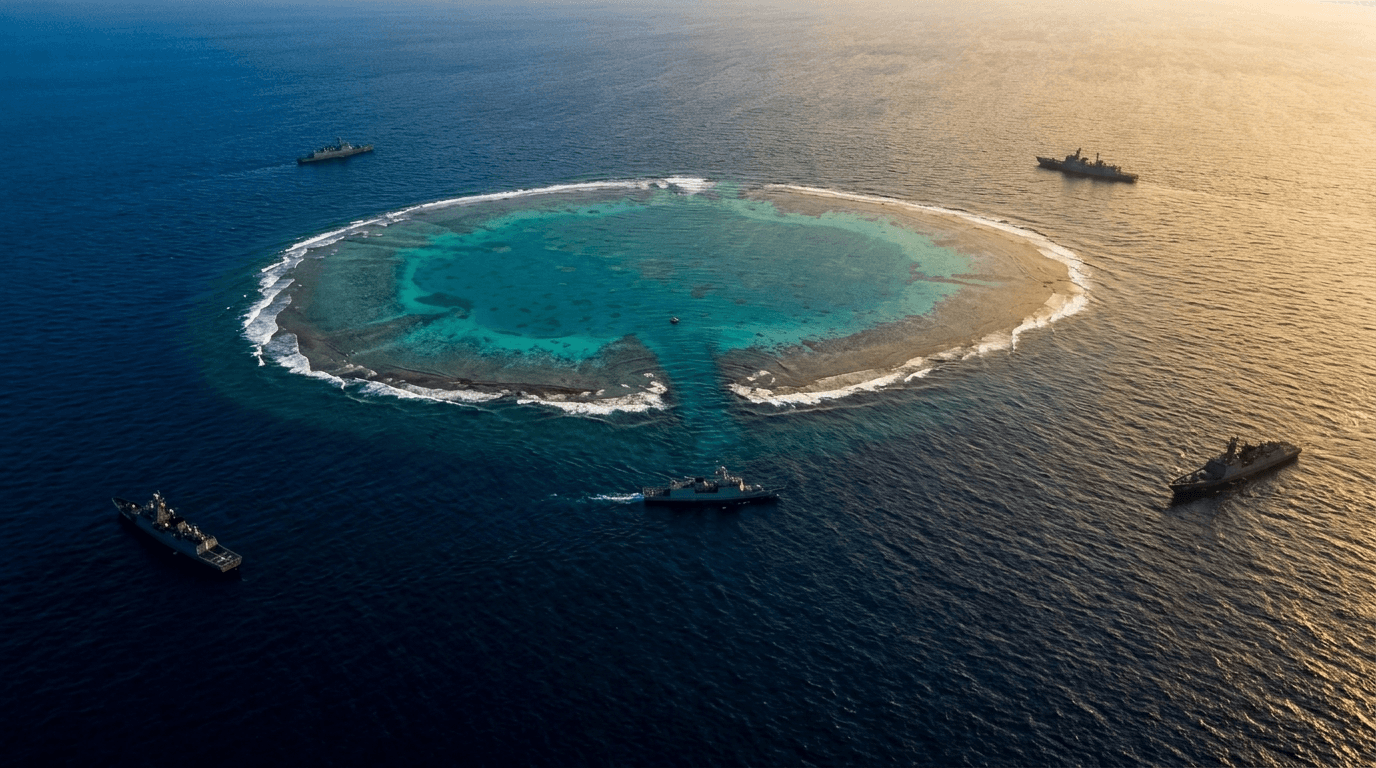
The risk assessment follows a pattern of escalating incidents, including a violent June 2024 confrontation near Second Thomas Shoal in which Chinese Coast Guard personnel wielding machetes, axes, and hammers injured Filipino Navy crew and damaged at least two Philippine vessels, with one sailor losing a thumb. More recently, four Chinese warships confronted the Philippine Navy frigate BRP Diego Silang near Scarborough Shoal in late May 2026, marking a rare naval standoff that coincided with the conclusion of Salaknib 2026, a joint exercise involving over 7,000 troops from the Philippines, United States, Japan, New Zealand, and Australia. On May 31, 2026, China's Southern Theatre Command announced naval and aerial combat readiness patrols around Scarborough Shoal, underscoring Beijing's willingness to project force in disputed waters.
Despite the operational friction, both governments have publicly emphasized restraint. Philippine President Ferdinand Marcos Jr. stated in June 2024 that Manila "will not yield" to intimidation but "will not start a war," while ongoing diplomatic talks and coast guard memorandum discussions continue. Balikatan 2026, the largest iteration of the annual U.S.-Philippines exercise, brought together roughly 17,000 troops from seven countries for live-fire drills and integrated air defense training near the South China Sea and Taiwan Strait, intended as deterrence but also raising China's threat perceptions.
Regional analysts note that persistent grey-zone friction over features such as Scarborough Shoal and Sandy Cay means the South China Sea is unlikely to stabilize fully in 2026, even as diplomatic channels remain open. The market's elevated probability reflects the balance between frequent, serious clashes and the still-limited evidence that either side intends to escalate to a formal, acknowledged military conflict before year-end.