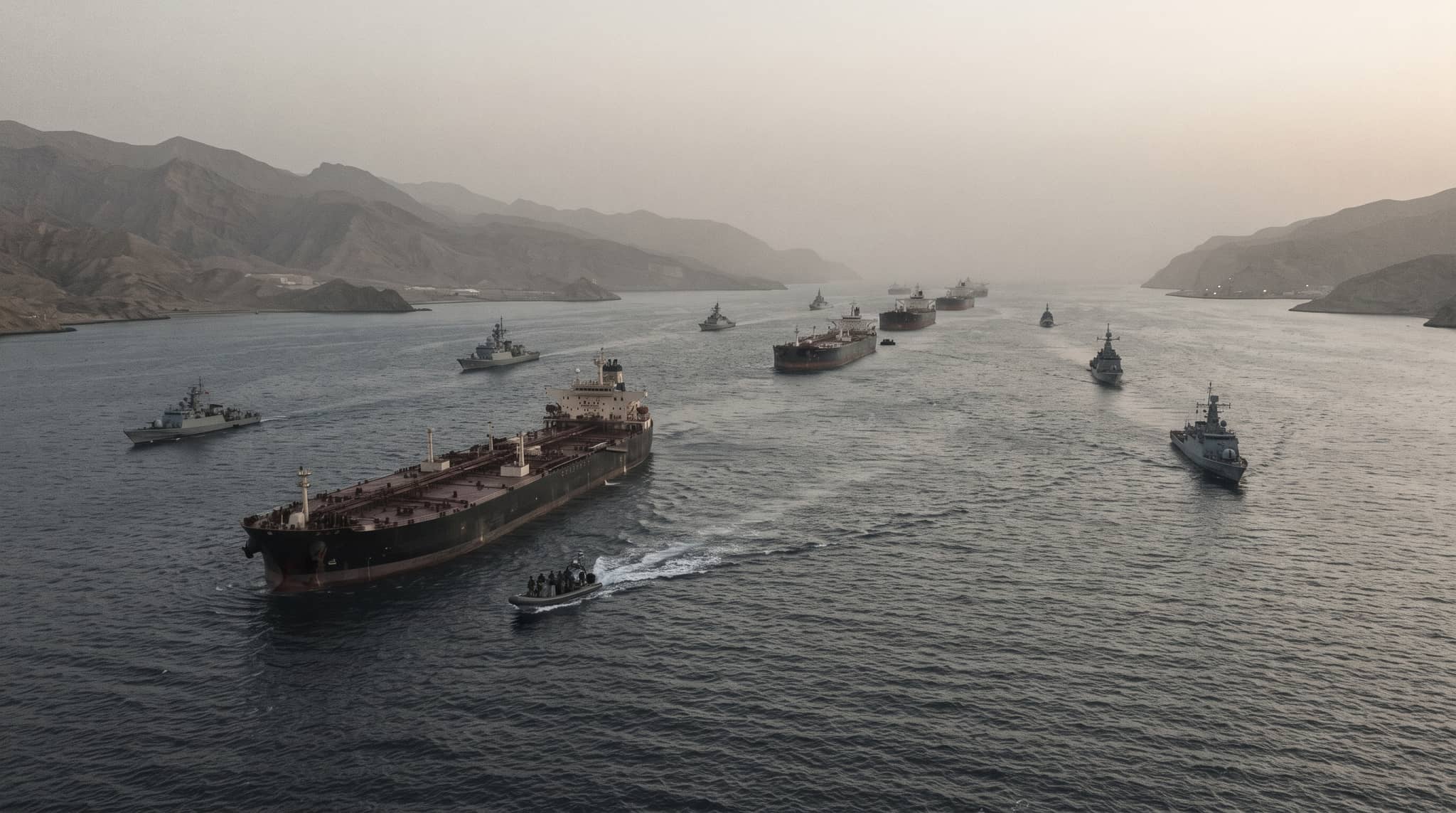
Shipping traffic through the Strait of Hormuz continues to operate at drastically reduced levels, with multiple maritime intelligence sources reporting deep declines in vessel transits as the US-Iran conflict drags on. Lloyd's List Intelligence recorded 39 vessel transits during the week of July 20-26, down from 82 the previous week, a 52% drop. Inbound Gulf traffic has fallen more than 90% compared with levels before the US strikes on Iran, according to the same report.
Windward, a maritime intelligence firm, recorded zero tanker crossings on July 27, with only six total vessel transits, all routed through the Islamic Revolutionary Guard Corps-controlled northern corridor. Anadolu Agency reported 20 vessels crossed the Strait on July 29, including five operating without Automatic Identification System, while approximately 6.5 million barrels of oil per day exited the Gulf through the waterway over the prior week.
War risk insurance premiums for Gulf voyages have risen to 7.5%–10% of hull value, making most commercial transits commercially unviable except for the most profitable cargoes, according to Lloyd's List Intelligence. An estimated 47 million barrels of Iranian crude are held aboard tankers in the Middle East Gulf, with only about 20% of vessels visible via AIS, per S&P Global data published July 29.
Iran resumed direct ballistic missile attacks on US forces on July 29 after several days of relative calm, according to Lloyd's List Intelligence, further undermining any near-term recovery in shipping confidence. The US military continues to provide escorts for energy shipments, Energy Secretary Chris Wright confirmed, but commercial traffic remains scarce.
The next development to watch is whether IMF PortWatch publishes a 7-day moving average of transit calls above 60 before the end of July, the metric on which a major prediction market resolves. As of July 30, all independent maritime intelligence sources indicate traffic remains far below that threshold.