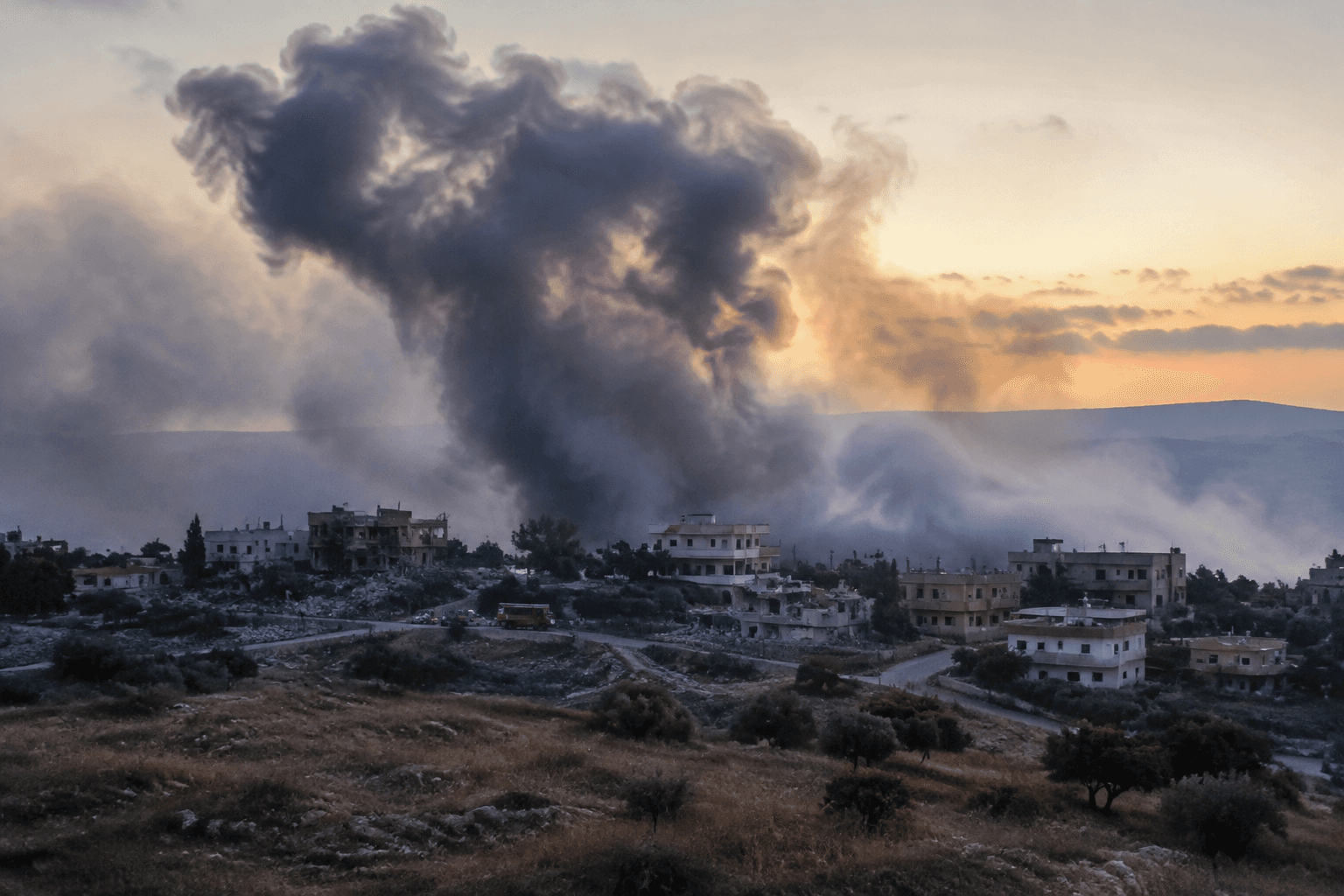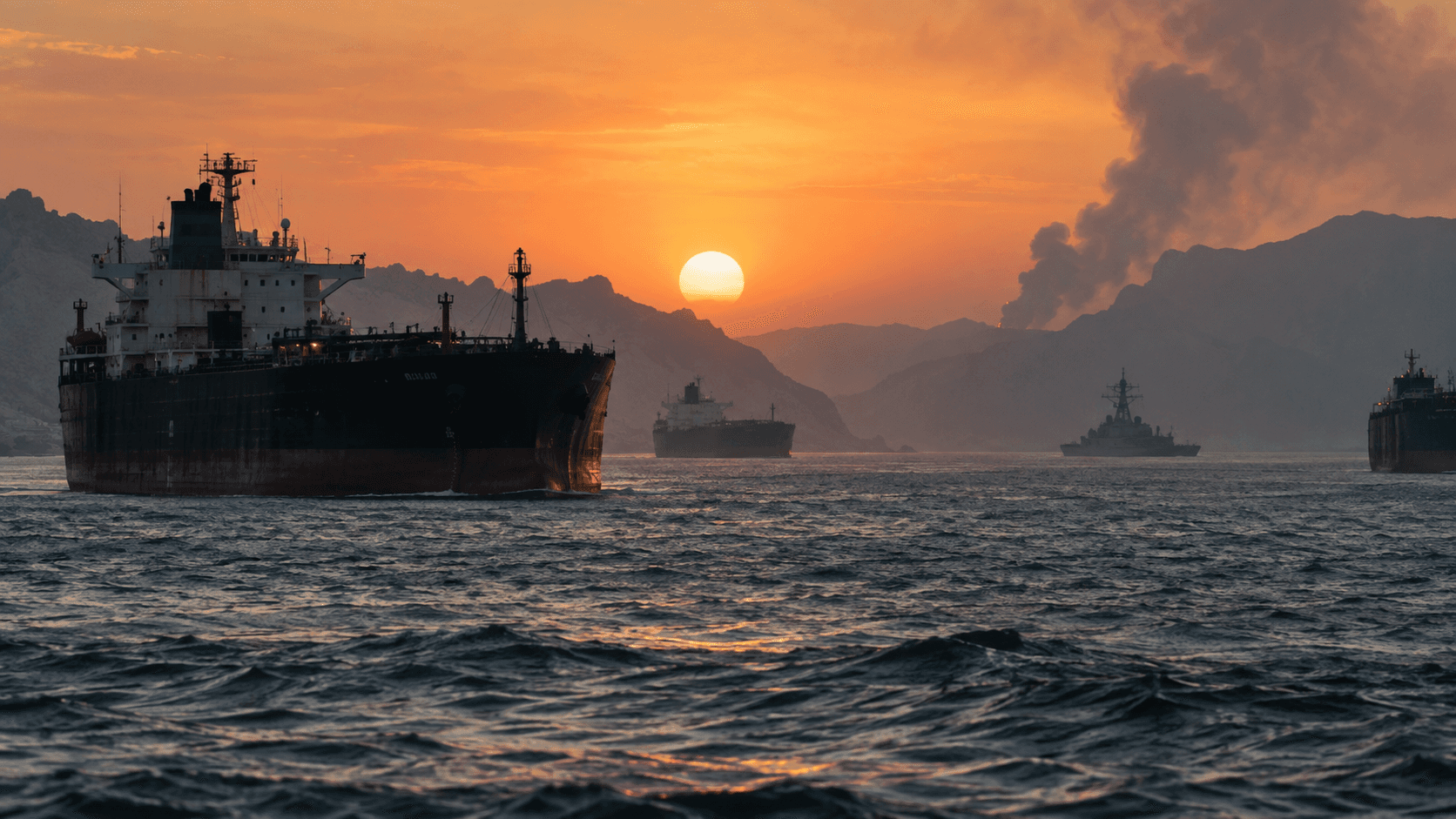
A rapid exchange of attacks around the Strait of Hormuz has pushed the United States and Iran back toward open confrontation after a month of relative calm. U.S. Central Command said American forces destroyed five Iranian crude carriers Tuesday after Iran's Revolutionary Guard tried twice in two days to hit a U.S. Navy warship with ballistic missiles. Iran answered early Wednesday by firing missiles toward a base used by American forces in Jordan and claiming attacks on ten ships near the strait. Jordan said its air defenses intercepted eighteen of twenty incoming missiles and reported no casualties, while a U.S. official said American troops were accounted for. The sequence widened a fight that has already lasted more than six months and again placed commercial shipping at the center of the conflict.
The military exchange is colliding with an economic pressure campaign on both sides. Washington says the tankers it struck were tied to a shadow fleet that finances the Revolutionary Guard and allied groups. Tehran, meanwhile, says ships trying to cross what it calls a prohibited and unsafe area can be targeted. The confrontation has reduced traffic through a waterway that carried roughly one-fifth of globally traded oil before the war. Brent crude approached $100 a barrel Wednesday as energy buyers weighed the tanker strikes, Iranian retaliation and Houthi attacks that set oil installations ablaze in Saudi Arabia. Those price pressures reach far beyond the Gulf: higher fuel costs could complicate the U.S. political outlook less than two months before the midterm elections and deepen strains on importing economies.
A Polymarket event tracking when Washington will announce an end to its blockade of Iranian shipping showed only a 15 percent chance of such a declaration by September 30 and about a 58 percent chance by December 31. The event had drawn roughly $26.9 million in total activity, while the year-end contract stood near 57.9 percent at the morning snapshot. Those prices are not a forecast from diplomats or military planners. They show how participants are balancing the costs of a prolonged confrontation against the possibility that economic pain eventually forces both governments back into talks. Wednesday's attacks made the near-term path look harder by tying any settlement to immediate questions of retaliation and maritime control.
The next test is whether the exchange remains bounded or pulls more regional actors into the fighting. Secretary of State Marco Rubio said repeated Iranian attempts to hit U.S. ships would cost Tehran more tankers, language that leaves little room for a quick climbdown. Iran has also threatened vessels in Kuwaiti and Bahraini ports, while damage was reported to a liquefied natural gas carrier in the United Arab Emirates, though responsibility was unclear. Shipping operators will watch for further warnings, rerouting and insurance restrictions as governments assess the risk to crews and cargo. A renewed diplomatic channel could still emerge, but the immediate signals point the other way: retaliatory logic is driving decisions, oil infrastructure is becoming more exposed, and the Strait of Hormuz is again the pressure point where military and economic escalation meet.