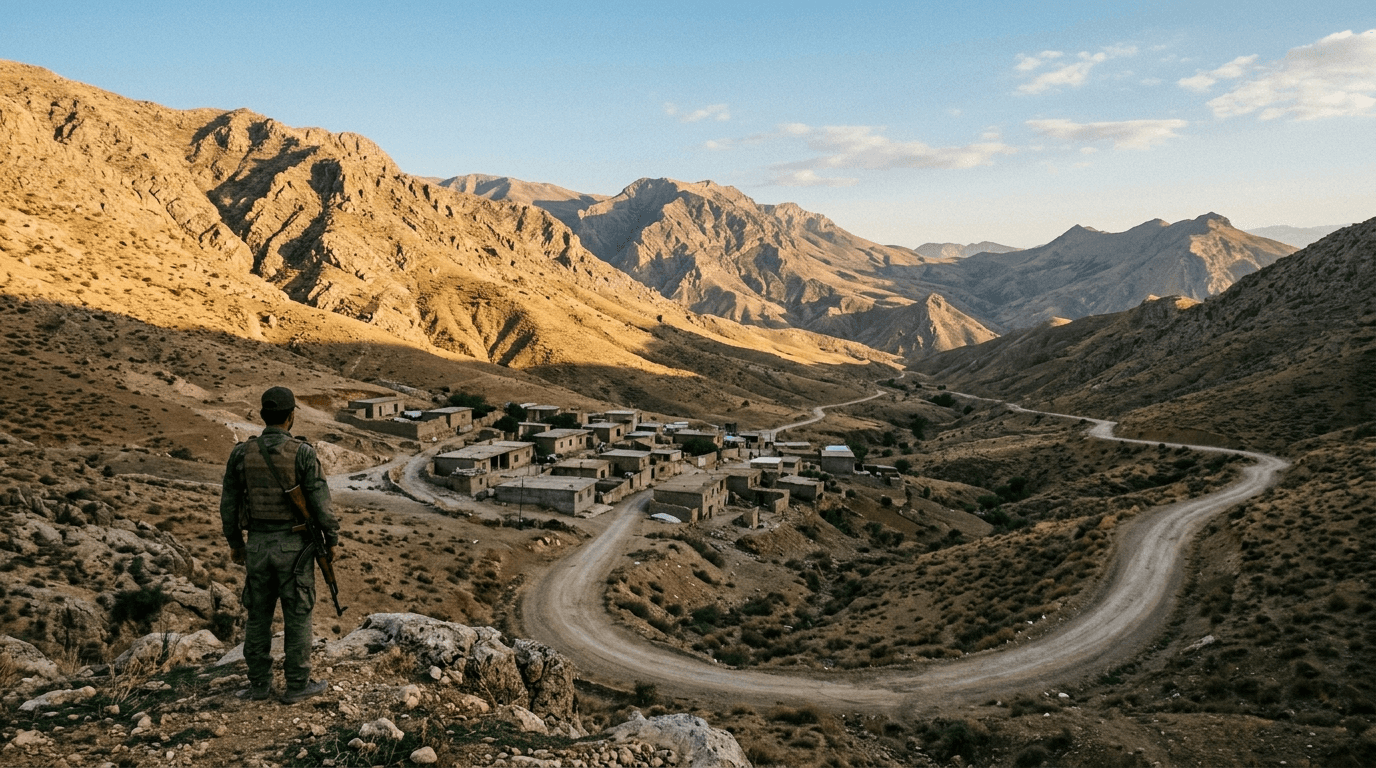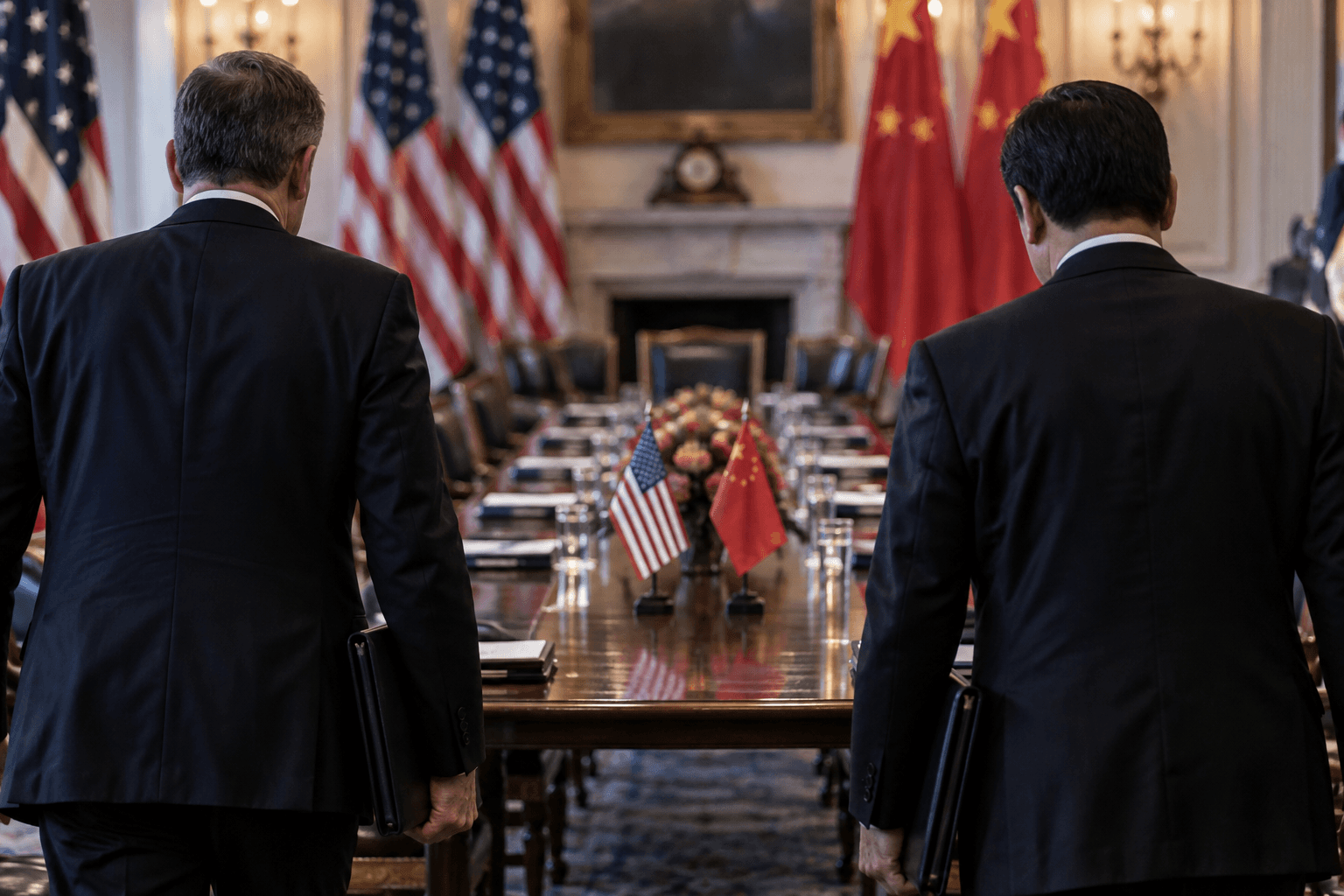
The United States and Iran remain in indirect contact over a plan to extend their fragile ceasefire, reopen the Strait of Hormuz and restart nuclear negotiations, but Washington is simultaneously increasing military and economic pressure. Iranian Foreign Minister Abbas Araghchi received a U.S. response through Qatari mediators after Tehran proposed a seven-day confidence-building sequence. President Donald Trump publicly rejected Iran’s original terms, yet officials on both sides have continued exchanging messages rather than closing the diplomatic channel.
The central dispute is not only what each side would do, but when. Iran has offered to restore normal passage through the strait if the United States lifts its naval blockade, eases oil sanctions, releases frozen Iranian assets and observes a wider halt to fighting that includes Lebanon. Washington wants concrete nuclear concessions and assurances before giving up leverage. Reuters reported that the document moving through Doha outlines a return to an expanded version of the memorandum reached in June, with negotiators still divided over the order of commitments. That sequencing problem has repeatedly derailed earlier attempts at de-escalation.
Pressure is rising alongside the talks. The U.S. military is sending a carrier strike group and an amphibious readiness group carrying roughly nine thousand sailors and Marines to the Middle East, a deployment that could put three American aircraft carriers in the region later this month. The Treasury Department also announced fresh Iran-related designations and extended sanctions authority to the automotive and rail sectors. Together, those actions signal that the administration wants to negotiate from a stronger position while retaining the ability to resume major strikes if diplomacy fails.
Prediction-market traders still expect the current ceasefire to survive in the near term, but confidence falls as the horizon lengthens. A Polymarket event puts the chance of the pause lasting through October 7 near ninety-two percent and through October 31 near sixty-one percent. The October contract moved only about one percentage point over the previous day despite the military deployment and sanctions announcement, while the broader event logged roughly $151,000 in daily activity. Those figures show how participants are pricing uncertainty; they are not evidence that negotiators have reached an agreement.
The next step rests with mediators trying to bridge the sequencing gap before military preparations overtake diplomacy. Tehran must decide whether Washington’s response offers enough relief to begin verifiable nuclear steps, while the White House must determine whether Iran’s promises can be enforced. Shipping through Hormuz, Iran’s access to oil revenue and the risk of renewed attacks across the region all depend on that judgment. The continued exchange of proposals is meaningful because neither side has abandoned talks, but the additional warships and sanctions make the message equally clear: the channel remains open under conditions designed to make delay more painful.